
EU demand for EN 10292 grade HX220PD + ZF will increase this year
Comprehensive analysis of EN 10292 HX220PD + ZF steel, exploring its mechanical properties, welding advantages, and why EU demand is surging in 2024.
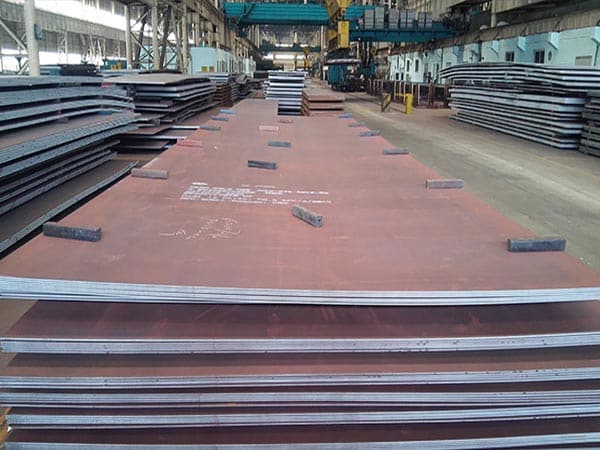
The Rising Trajectory of HX220PD + ZF in the European Industrial Landscape
The European steel market is witnessing a significant shift toward materials that balance lightweighting requirements with superior surface integrity. EN 10292 grade HX220PD + ZF has emerged as a pivotal material in this transition. As a phosphorus-alloyed high-strength steel with a galvannealed coating, it offers a unique combination of ductility and structural rigidity. The increasing demand within the EU is driven by the tightening of carbon emission regulations and the rapid expansion of the electric vehicle (EV) sector, where material efficiency is paramount.
Understanding the Metallurgy: Why Phosphorus Matters
The 'P' in HX220PD signifies its phosphorus-alloyed nature. Unlike traditional carbon steels, phosphorus-alloyed steels utilize solid solution strengthening to increase yield strength without drastically compromising the material's ability to undergo complex forming processes. This allows manufacturers to reduce sheet thickness—thereby saving weight—while maintaining the structural integrity of the final component. The 'H' denotes high strength, and the 'X' indicates that the base material is designed for cold forming, making it ideal for intricate automotive stampings.
The Technical Edge of the +ZF Galvannealed Coating
The +ZF (Zinc-Iron alloy) coating is what sets this grade apart from standard galvanized (+Z) products. Through a specialized heat treatment process after the hot-dip bath, the zinc coating reacts with the iron in the steel substrate to form a matte grey zinc-iron alloy layer. This layer typically contains 8% to 12% iron. The benefits of this specific coating in the EU market are manifold:
- Superior Paint Adhesion: The micro-porous surface of the ZF coating provides an exceptional mechanical bond for cathodic dip painting (KTL) and subsequent topcoats, ensuring long-term aesthetic and functional durability.
- Optimized Welding Performance: In automated production lines, the ZF coating offers higher electrical resistance compared to pure zinc. This results in a wider welding window and significantly less electrode contamination during spot welding, which is critical for high-volume European manufacturing.
- Hardness and Scratch Resistance: The zinc-iron alloy is harder than pure zinc, making it more resistant to mechanical damage during handling and assembly.
Mechanical Properties and Performance Metrics
Engineers specifying EN 10292 HX220PD + ZF rely on its consistent mechanical behavior. The standard ensures that the material provides a predictable response under stress, which is essential for simulation-driven design. Below is a detailed breakdown of the mechanical characteristics according to the EN 10292 specification:
| Property | Value (Transverse Direction) |
|---|---|
| Yield Strength (Rp0.2) MPa | 220 - 280 |
| Tensile Strength (Rm) MPa | 320 - 400 |
| Elongation (A80) % min. | 32 |
| Plastic Strain Ratio (r90) min. | 1.3 |
| Strain Hardening Exponent (n90) min. | 0.17 |
The high r-value (plastic strain ratio) and n-value (strain hardening exponent) indicate that HX220PD + ZF possesses excellent deep-drawing capabilities. This allows for the production of complex geometries, such as inner door panels or structural reinforcements, without the risk of thinning or tearing.
Driving Factors for Increased EU Demand in 2024
Several macro-economic and technical factors are converging to push the demand for HX220PD + ZF to new heights this year. The European Green Deal is forcing a rethink of material lifecycles. Since this grade is highly recyclable and its production processes are increasingly being integrated into "Green Steel" initiatives (using hydrogen-reduced iron), it fits perfectly into the sustainability roadmaps of major EU OEMs.
Furthermore, the shift toward Electric Vehicles (EVs) requires materials that can protect battery enclosures while remaining light enough to maximize range. HX220PD + ZF provides the necessary dent resistance and energy absorption qualities for these applications. The stability of the galvannealed surface also ensures that the complex adhesive bonding techniques used in modern EV assembly remain reliable over the vehicle's lifespan.
Processing Advantages in Modern Manufacturing
Fabricators across Germany, France, and Italy are increasingly favoring HX220PD + ZF due to its process stability. In the stamping shop, the galvannealed coating acts as a dry lubricant to some extent, though specialized drawing oils are still used. The brittle nature of the ZF layer, while requiring careful die design to avoid "powdering," actually aids in certain shearing operations by providing cleaner edges.
Environmental Adaptability: The corrosion resistance of the ZF coating is particularly suited for the diverse climates of Europe. From the salt-laden coastal regions of the North Sea to the humid environments of the Mediterranean, the zinc-iron alloy provides a sacrificial barrier that prevents the underlying steel from oxidizing. Even if the coating is scratched, the galvanic action continues to protect the exposed steel.
Expanding Industry Applications
While the automotive industry is the primary consumer, other sectors are beginning to recognize the value of EN 10292 HX220PD + ZF. In the Renewable Energy sector, this grade is being utilized for the structural components of solar tracking systems where high strength and corrosion resistance are non-negotiable. In the Construction industry, it is used for high-end profiles and ventilation systems where a painted finish is required over a durable, rust-resistant substrate.
The Home Appliance industry is another growing market. For premium washing machines and refrigeration units, the superior paintability of the ZF coating ensures a high-gloss finish that remains pristine even in high-moisture kitchen or laundry environments. The structural strength of the HX220PD base allows for thinner exterior panels, reducing the overall weight of the appliances and lowering shipping costs.
Future Outlook and Strategic Sourcing
As the EU continues to implement the Carbon Border Adjustment Mechanism (CBAM), the focus on high-performance steels like HX220PD + ZF will only intensify. European steel mills are optimizing their galvannealing lines to ensure even more consistent coating thicknesses and alloy distributions. For procurement specialists, securing a reliable supply of this grade is becoming a strategic priority to ensure compliance with both technical specifications and environmental mandates.
The versatility of HX220PD + ZF makes it a "workhorse" material for the next generation of European engineering. Its ability to meet the rigorous demands of safety, weight reduction, and surface quality ensures its place at the forefront of the steel industry's evolution. Companies that integrate this material into their design cycles early will likely gain a competitive edge in both performance and cost-efficiency.
Leave a message