
What is the EN 10292 HX260PD + ZF automotive steel price export to Indonesia
Comprehensive guide on EN 10292 HX260PD + ZF steel pricing for the Indonesian market, detailing technical specs, coating benefits, and export logistics.
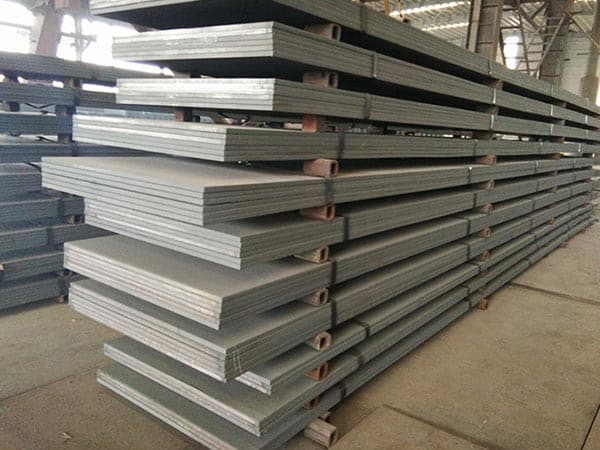
Technical Foundation of EN 10292 HX260PD + ZF
Understanding the price of EN 10292 HX260PD + ZF for the Indonesian market requires a deep dive into what makes this material a cornerstone of modern automotive engineering. The designation 'HX260PD' refers to a high-strength, phosphorus-alloyed steel specifically designed for cold forming. The '260' denotes a minimum yield strength of 260 MPa, while the 'P' indicates phosphorus alloying, which enhances strength without significantly compromising ductility. The 'D' signifies its suitability for hot-dip coating processes.
The '+ZF' suffix represents the Galvannealed (Zinc-Iron alloy) coating. Unlike standard galvanized steel (Z), ZF coatings undergo an additional heat treatment that causes iron from the steel substrate to diffuse into the zinc layer. This creates a matte grey, micro-crystalline surface consisting of approximately 8% to 12% iron. This specific metallurgy is highly sought after by Indonesian automotive assemblers (OEMs) for its superior welding performance and paint adhesion, which are critical in high-humidity tropical environments.
Mechanical Properties and Performance Standards
The pricing of HX260PD + ZF is intrinsically linked to its mechanical reliability. Automotive engineers specify this grade for structural components that require a balance between weight reduction and crash safety. The phosphorus alloying provides a solid-solution strengthening effect, which is particularly effective for maintaining high elongation values.
| Mechanical Property | Value Range (EN 10292) |
|---|---|
| Yield Strength (Re) | 260 - 320 MPa |
| Tensile Strength (Rm) | 360 - 460 MPa |
| Elongation (A80mm) | min. 26% |
| Strain Hardening Exponent (n90) | min. 0.17 |
| Plastic Strain Ratio (r90) | min. 1.2 |
These properties ensure that the material can withstand complex stamping operations without fracturing. The high n-value and r-value indicate excellent deep-drawing capabilities, allowing for the manufacture of intricate car body parts like inner door panels, floor reinforcements, and pillars.
The ZF Coating Advantage in the Indonesian Climate
Indonesia's maritime tropical climate presents significant challenges for automotive longevity. High humidity and salt-laden air accelerate corrosion. The ZF (Galvannealed) coating offers a distinct advantage over traditional GI (Galvanized) coatings in this context. The zinc-iron alloy layer is harder and more brittle than pure zinc, which provides excellent scratch resistance during the assembly process.
- Superior Weldability: The iron content in the ZF coating increases the electrical resistance of the surface, which broadens the welding current window. This results in longer electrode life and more consistent spot welds compared to pure zinc coatings.
- Optimized Paintability: The micro-porous surface of the ZF coating acts as a mechanical anchor for primers and topcoats. This ensures that the paint finish on vehicles sold in the Indonesian market remains intact even under intense UV exposure and heavy rainfall.
- Corrosion Resistance: Even if the paint layer is compromised, the ZF coating provides sacrificial protection, preventing the spread of red rust across the steel substrate.
Chemical Composition and Alloying Strategy
The cost of HX260PD + ZF is influenced by the precise control of its chemical elements. Manufacturers must balance carbon, manganese, and phosphorus to meet the strict EN 10292 requirements. Phosphorus is the primary strengthening agent here, but it must be carefully managed to avoid cold shortness or weld embrittlement.
| Element | Maximum Percentage (%) |
|---|---|
| Carbon (C) | 0.10 |
| Manganese (Mn) | 1.00 |
| Phosphorus (P) | 0.08 |
| Silicon (Si) | 0.50 |
| Sulfur (S) | 0.03 |
The low carbon content ensures that the steel remains highly formable, while the manganese assists in grain refinement and counteracts the negative effects of sulfur. This chemical precision is why Tier 1 and Tier 2 suppliers in Indonesia prefer sourcing from reputable mills that can guarantee heat-to-heat consistency.
Export Price Factors for the Indonesian Market
Determining the price of EN 10292 HX260PD + ZF for export to Indonesia involves several variables beyond the base metal cost. As of the current market cycle, prices generally fluctuate between $880 and $1,050 per metric ton CFR (Cost and Freight) Jakarta/Surabaya, depending on order volume and specific tolerances.
Key price drivers include:
- Global Zinc Prices: Since the ZF coating relies on high-purity zinc, fluctuations on the London Metal Exchange (LME) directly impact the coating surcharge.
- Shipping and Logistics: Freight rates from major export hubs like Shanghai, Tianjin, or Kaohsiung to Indonesian ports (Tanjung Priok, Tanjung Perak) vary based on fuel surcharges and container availability.
- Import Duties and Quotas: Indonesia often implements trade measures to protect local steel production. Importers must stay updated on PMK (Minister of Finance Regulations) regarding anti-dumping duties or safeguard measures that might apply to specific origins.
- Currency Exchange: The IDR/USD exchange rate is a critical factor for Indonesian buyers, as steel is globally traded in US Dollars.
Application in the Indonesian Automotive Industry
Indonesia has emerged as a major hub for automotive manufacturing in Southeast Asia. The demand for HX260PD + ZF is driven by the production of Multi-Purpose Vehicles (MPVs) and Sport Utility Vehicles (SUVs), which are the most popular segments in the local market. These vehicles require materials that offer high structural integrity to handle diverse road conditions while remaining light enough to meet fuel efficiency standards.
Common applications include:
Structural Reinforcements: B-pillars and cross-members that protect passengers during side-impact collisions. The 260 MPa yield strength provides the necessary stiffness without the excessive weight of traditional carbon steels.
Body-in-White (BIW) Components: Parts that require complex shaping, such as wheel arches and internal door structures, benefit from the high elongation and r-values of HX260PD.
Exposed and Semi-Exposed Parts: Due to the excellent paint finish provided by the ZF coating, this grade is often used for components where aesthetic quality and corrosion resistance are equally important.
Strategic Sourcing and Quality Assurance
When procuring EN 10292 HX260PD + ZF for export to Indonesia, quality assurance is paramount. Indonesian OEMs typically require Mill Test Certificates (MTC) according to EN 10204 3.1, detailing the chemical analysis and mechanical testing results. Furthermore, the thickness tolerance (often according to EN 10143) must be strictly adhered to, as variations can cause issues in automated stamping lines.
Successful exporters focus on providing not just the material, but a complete technical package. This includes advice on lubricant selection for stamping ZF-coated steel, as the surface topography differs from GI. The slightly rougher texture of Galvannealed steel can retain lubricants better, which is an advantage in high-speed production environments common in Jakarta's industrial corridors like Cikarang and Karawang.
Future Outlook and Sustainability
The transition toward Electric Vehicles (EVs) in Indonesia is further shifting the demand toward high-strength grades like HX260PD + ZF. EVs require lightweight materials to offset the weight of battery packs. Phosphorus-alloyed steels offer a cost-effective alternative to more expensive Advanced High-Strength Steels (AHSS) for many non-critical structural parts. Additionally, the recyclability of zinc-coated steel aligns with the growing emphasis on green manufacturing within the ASEAN region.
Navigating the complexities of the Indonesian steel market requires a partner who understands both the technical nuances of EN 10292 and the logistical realities of Southeast Asian trade. By focusing on the unique benefits of the ZF coating and the reliable mechanical profile of the HX260PD grade, manufacturers can ensure they are getting the best value for their automotive production needs.
Leave a message