
What is the price EN 10346 HX420LAD + ZF material in Iran?
Explore the pricing dynamics, technical specifications, and industrial applications of EN 10346 HX420LAD + ZF galvannealed steel in the Iranian market.
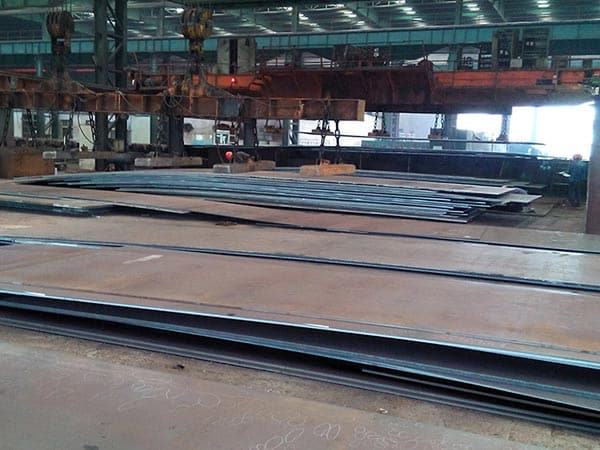
Current Market Landscape of EN 10346 HX420LAD + ZF in Iran
Understanding the pricing of EN 10346 HX420LAD + ZF in Iran requires a deep dive into both the technical superiority of the material and the complex geopolitical economic factors affecting the Middle Eastern steel trade. HX420LAD is a high-yield-strength steel specifically designed for cold forming, while the +ZF designation refers to a galvannealed coating—a zinc-iron alloy layer that offers unique advantages over standard galvanized (+Z) coatings. In Iran, the demand for this specific grade is primarily driven by a robust automotive manufacturing sector and an expanding home appliance industry.
The price of HX420LAD + ZF is never static. It is influenced by the global price of iron ore, zinc ingots, and the specific premiums associated with micro-alloying elements like Niobium (Nb) or Titanium (Ti). For Iranian buyers, the 'price' is a composite of the international LME (London Metal Exchange) trends, local currency (IRR) fluctuations against the USD, and the logistical costs of importing through ports like Bandar Abbas or via overland routes from Turkey and Russia.
Technical Specifications: Why HX420LAD + ZF Commands a Premium
The HX420LAD grade is categorized as a micro-alloyed steel. Unlike standard carbon steels, it achieves its high yield strength (minimum 420 MPa) through the precise addition of alloying elements that refine the grain structure. This allows for thinner gauges to be used without sacrificing structural integrity, a process known as 'lightweighting'.
| Chemical Element | Maximum Percentage (%) |
|---|---|
| Carbon (C) | 0.11 |
| Manganese (Mn) | 1.00 |
| Silicon (Si) | 0.50 |
| Phosphorus (P) | 0.030 |
| Sulfur (S) | 0.025 |
| Niobium (Nb) / Titanium (Ti) | 0.15 (Combined) |
The +ZF coating is achieved by heating the steel after it passes through the zinc bath, causing the iron from the substrate to diffuse into the zinc. This creates a matte grey finish consisting of approximately 8% to 12% iron. This specific coating is highly prized in the Iranian automotive sector because it provides a superior surface for spot welding and exceptional paint adhesion compared to traditional spangled galvanized steel.
Mechanical Performance and Processing Advantages
When calculating the value proposition of HX420LAD + ZF, engineers focus on its mechanical limits. The material offers a delicate balance between strength and ductility, which is essential for complex stampings found in vehicle chassis or structural reinforcements.
| Property | Value Range |
|---|---|
| Yield Strength (Re) | 420 - 520 MPa |
| Tensile Strength (Rm) | 470 - 590 MPa |
| Elongation (A80mm) | Min 14% |
Formability: Despite its high strength, HX420LAD maintains excellent cold-forming properties. In Iranian factories, this translates to lower scrap rates during deep drawing or bending processes. The +ZF coating also acts as a dry lubricant to some extent, though it is more brittle than +Z coatings, requiring precise die clearances to prevent 'powdering' during heavy deformation.
Weldability: The galvannealed surface (ZF) has a higher electrical resistance than pure zinc. This allows for a wider welding window and longer electrode life in robotic spot-welding lines, a critical factor for high-volume production in Iran’s domestic car brands like IKCO and SAIPA.
Factors Influencing Price in the Iranian Market
The price of EN 10346 HX420LAD + ZF in Iran is significantly higher than standard commercial grades like DX51D. Several localized factors dictate the final quote provided by stockholders in Tehran or Isfahan:
- Import Tariffs and Sanctions: While Iran has a massive steel industry (Mobarakeh Steel, Khuzestan Steel), the specific high-end galvannealed micro-alloyed sheets are often imported to meet strict international automotive standards. Sanctions complicate the banking (SWIFT) and logistics, adding a 'risk premium' to the price.
- Coating Mass (Weight): The thickness of the ZF coating (e.g., ZF100 or ZF120) directly impacts the price. A heavier coating provides better corrosion resistance but increases the cost per ton due to higher zinc consumption.
- Dimensional Extras: Thin gauges (below 1.0mm) or specific widths require more rolling time and precision, leading to 'size extras' in the pricing structure.
- Energy Costs: While Iran has low domestic energy costs, the global energy crisis affects the production costs of European or Asian exporters, which is then passed on to the Iranian importer.
Environmental Adaptability and Longevity
Iran's geography ranges from the humid Caspian Sea coast to the arid central plateaus and the corrosive, salty air of the Persian Gulf. HX420LAD + ZF is particularly suited for these diverse environments. The zinc-iron alloy layer provides sacrificial protection; even if the coating is scratched, the zinc will corrode before the steel substrate.
In the automotive industry, using ZF material ensures that the vehicle body can withstand the salt used on mountain roads in the Alborz range during winter, as well as the high UV exposure in the south. The paint-bonding capability of the ZF surface ensures that the protective paint layer does not delaminate, providing a secondary barrier against atmospheric corrosion.
Application Expansion in Iran's Industrial Sector
Beyond the obvious automotive uses, HX420LAD + ZF is finding new applications in Iran’s evolving infrastructure. High-strength galvanized steels are increasingly used in the construction of solar panel mounting systems in the Yazd and Kerman regions. The high yield strength allows for lighter structures that can still withstand high wind loads, while the ZF coating ensures a maintenance-free lifespan of over 20 years.
In the HVAC and white goods sector, the material is used for internal brackets and structural frames where welding is required. The ability to weld the ZF coating without the excessive fumes and 'spatter' associated with standard galvanized steel improves factory safety and reduces post-weld cleaning costs.
Procurement Strategy for Iranian Buyers
To secure the best price for EN 10346 HX420LAD + ZF in Iran, procurement officers must look beyond the 'per ton' sticker price. Total Cost of Ownership (TCO) should be the metric. This includes evaluating the material's yield—higher strength allows for thinner sheets, meaning more square meters per ton.
Furthermore, verifying the Mill Test Certificate (MTC) is vital. In the Iranian market, some traders may offer 'equivalent' grades that do not meet the strict micro-alloying requirements of EN 10346, leading to cracking during forming or premature corrosion. Genuine HX420LAD + ZF must show the specific Nb/Ti/V additions and the correct iron-zinc alloy percentage in the coating analysis.
As the Iranian industrial sector continues to modernize, the demand for specialized materials like HX420LAD + ZF will likely grow. The price will remain a reflection of the material's high-tech nature and the logistical ingenuity required to bring it to the local market. By focusing on the mechanical advantages and the processing efficiencies, Iranian manufacturers can justify the investment in this premium steel grade, ensuring their products meet both domestic and international quality benchmarks.
Leave a message