
What are the uses of S500MC galvanealed coil
Discover the technical specifications and industrial applications of S500MC galvannealed coils. Learn why this high-strength steel is preferred for automotive and structural engineering.
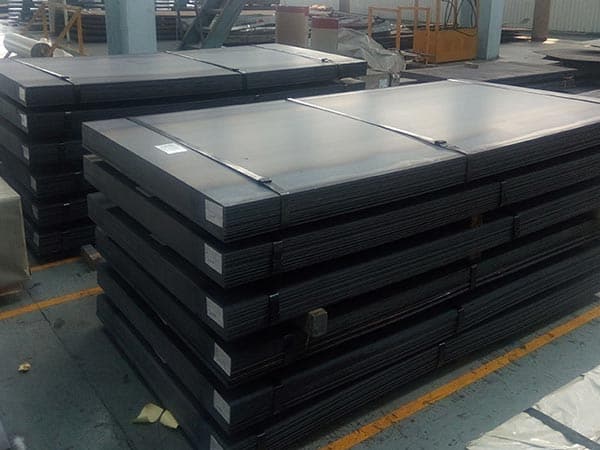
Understanding the Essence of S500MC Galvannealed Steel
S500MC is a high-strength low-alloy (HSLA) steel grade specifically engineered for cold forming applications. Governed by the European standard EN 10149-2, this material is produced through thermomechanically controlled rolling (TMCP), which ensures a fine-grained microstructure. When this high-performance substrate is subjected to the galvannealing process, it transforms into S500MC+ZF (or GA), a material that combines exceptional structural integrity with superior surface properties. Unlike traditional galvanized steel, the galvannealed coating is a zinc-iron alloy (typically 8-12% iron) formed by heat-treating the zinc-coated steel immediately after it emerges from the molten bath. This metallurgical bond creates a matte, grey surface that is exceptionally conducive to welding and painting, making it a cornerstone material in modern manufacturing.
Mechanical Properties and Metallurgical Superiority
The performance of S500MC galvannealed coil is rooted in its precise chemical composition and micro-alloying strategy. By incorporating small amounts of niobium (Nb), vanadium (V), and titanium (Ti), the steel achieves high yield strength without the weight penalties associated with traditional carbon steels. The "500" in its designation refers to its minimum yield strength of 500 MPa, providing a robust framework for weight-sensitive designs.
| Property | Value (Minimum/Range) |
|---|---|
| Yield Strength (ReH) | Min 500 MPa |
| Tensile Strength (Rm) | 550 - 700 MPa |
| Elongation (A80mm) | Min 12% (Thickness < 3mm) |
| Bending Radius (180°) | 0.5t to 1.0t (depending on orientation) |
The galvannealing process adds another layer of technical sophistication. The Zn-Fe alloy layer is harder than pure zinc coatings, offering better scratch resistance during handling and stamping. Furthermore, the absence of the "spangle" characteristic of hot-dip galvanizing results in a uniform surface that allows for high-quality powder coating and automotive-grade painting.
The Strategic Advantage of Galvannealed Coating (ZF)
Engineers choose S500MC galvannealed coils over standard galvanized (GI) counterparts primarily for two reasons: weldability and paint adhesion. In resistance spot welding, the zinc-iron alloy layer has a higher electrical resistance than pure zinc, which allows for a broader welding window and longer electrode life. This is critical in high-volume automotive assembly lines where downtime for electrode dressing is costly.
- Superior Paintability: The porous, matte surface of the GA coating provides a mechanical anchor for primers and paints, ensuring long-term coating integrity even in harsh environments.
- Corrosion Resistance: While the coating is thinner than some GI variants, the Zn-Fe alloy provides excellent sacrificial protection and prevents the spread of sub-film corrosion.
- Reduced Flaking: The metallurgical bond is incredibly stable, significantly reducing the risk of coating delamination during severe drawing or bending operations.
Automotive Industry: The Primary Driver of Demand
The automotive sector is the largest consumer of S500MC galvannealed coils. As manufacturers strive for "lightweighting" to improve fuel efficiency and reduce emissions, high-strength steels like S500MC become indispensable. It allows for the use of thinner gauges without sacrificing the safety or stiffness of the vehicle's structural components.
Common automotive applications include:
- Chassis and Suspension: Control arms, subframes, and shock tower reinforcements benefit from the high fatigue strength and impact resistance of S500MC.
- Cross Members: These parts require high yield strength to maintain the vehicle's torsional rigidity, while the GA coating ensures they survive the corrosive environment of the underbody.
- Seat Frames: The excellent formability of S500MC allows for complex geometries in seat structures, while its strength provides necessary occupant protection during collisions.
- Bumper Reinforcements: High energy absorption capacity makes this steel ideal for safety-critical components.
Heavy Machinery and Transportation Infrastructure
Beyond passenger vehicles, S500MC galvannealed coils are utilized in the production of commercial vehicles, trailers, and heavy machinery. In these applications, the steel must withstand extreme mechanical loads and constant exposure to the elements. The use of S500MC in truck chassis rails and crane booms allows for higher payloads by reducing the dead weight of the equipment.
In the trailer industry, cold-formed profiles made from S500MC offer a superior strength-to-weight ratio compared to hot-rolled structural sections. The galvannealed finish is particularly valued here because it can be painted to match fleet colors while providing a durable barrier against road salts and moisture.
Renewable Energy and Construction Applications
The shift toward sustainable energy has opened new avenues for S500MC galvannealed steel. Solar mounting systems, which must endure decades of outdoor exposure while supporting heavy photovoltaic panels, rely on the high yield strength of S500MC to resist wind and snow loads. The GA coating is preferred over standard galvanizing in some architectural applications where a more subtle, matte finish is desired, or where the components must be welded on-site and then painted.
In construction, S500MC is used for high-strength purlins, side rails, and specialized brackets. Its ability to be cold-formed into intricate shapes makes it a versatile choice for modern modular building systems where precision and structural efficiency are paramount.
Processing Performance: Forming and Welding
One of the standout features of S500MC is its formability. Despite its high strength, the fine-grained structure allows for tight bending radii and complex deep-drawing operations. However, fabricators must account for springback, which is more pronounced in 500 MPa steels than in standard mild steels. Advanced CAD/CAM modeling and precision tooling are typically used to compensate for this effect.
Welding S500MC galvannealed coil is highly efficient. It is compatible with all standard welding processes, including MIG/MAG, laser welding, and resistance welding. The GA coating's high melting point compared to pure zinc reduces the risk of zinc vapor entrapment in the weld pool, leading to cleaner, stronger joints with minimal porosity.
Environmental Adaptation and Sustainability
S500MC galvannealed steel contributes significantly to environmental sustainability. By enabling the design of lighter structures, it reduces the consumption of raw materials and energy during transportation. Furthermore, steel is 100% recyclable. The zinc and iron in the coating can be recovered during the steelmaking process, supporting a circular economy. The longevity provided by the GA coating also means that structures have a longer service life, reducing the frequency of replacement and the associated environmental footprint.
| Feature | Benefit to User |
|---|---|
| High Yield Strength | Reduced material thickness and weight savings |
| Fine Grain Structure | Excellent cold forming and bending capabilities |
| Zn-Fe Alloy Coating | Superior paint adhesion and spot welding performance |
| Low Carbon Content | Excellent weldability and toughness |
The versatility of S500MC galvannealed coil makes it a preferred choice for engineers looking to push the boundaries of design. Whether it is for creating safer vehicles, more efficient machinery, or durable infrastructure, this material provides the necessary balance of mechanical prowess and surface excellence. As manufacturing technologies evolve, the role of HSLA steels like S500MC will only continue to expand, driving innovation across multiple industrial sectors.
Leave a message