
Where can purchase HCT500X + ZF automobile steel strip with heavy thickness
Comprehensive guide on sourcing heavy thickness HCT500X+ZF (DP500) galvannealed steel, exploring its mechanical properties, welding performance, and industrial applications.
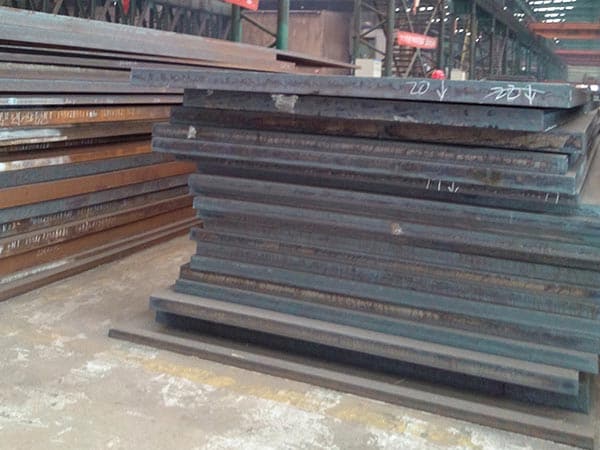
Decoding the Technical DNA of HCT500X+ZF
HCT500X+ZF is a high-strength dual-phase (DP) steel specifically engineered for the automotive industry. The nomenclature follows the EN 10346 standard, where H stands for high strength, C for cold-rolled, T for Tri-phase or Dual-phase microstructure, and 500 represents the minimum tensile strength in Megapascals (MPa). The +ZF suffix denotes a galvannealed coating—a zinc-iron alloy coating that offers superior weldability and paint adhesion compared to standard galvanized surfaces.
The microstructure of HCT500X consists of a soft, ductile ferrite matrix embedded with hard martensite islands. This unique combination allows the material to exhibit a high work-hardening rate and excellent energy absorption capacity. When we discuss heavy thickness in the context of HCT500X+ZF, we are typically referring to gauges ranging from 1.5mm to 3.0mm, which are significantly thicker than standard body panel steels. These heavy gauges are critical for structural reinforcements and crash-relevant components where both weight reduction and high safety margins are non-negotiable.
Mechanical Performance and Work Hardening Behavior
One of the most compelling reasons to specify HCT500X+ZF is its mechanical profile. Unlike traditional high-strength low-alloy (HSLA) steels, DP steels like HCT500X provide a better balance between strength and formability. The yield strength typically ranges between 280 and 440 MPa, while the tensile strength is maintained at a minimum of 500 MPa. The elongation at break (A80mm) is usually above 20%, which is remarkable for a material of this strength class.
| Property | Value Range (Typical) | Standard Compliance |
|---|---|---|
| Yield Strength (Rp0.2) | 280 - 440 MPa | EN 10346 |
| Tensile Strength (Rm) | 500 - 650 MPa | EN 10346 |
| Elongation (A80) | ≥ 20% | EN 10346 |
| n-value (Strain Hardening) | ≥ 0.15 | ISO 10275 |
The high n-value indicates that the material hardens significantly during the forming process. This means that even if the initial yield strength is relatively low, the final part will have much higher strength after being stamped into shape. This property is particularly beneficial for heavy thickness strips used in chassis components, as it allows for complex geometries without the risk of local thinning or necking.
The Advantages of Galvannealed (ZF) Coating for Heavy Gauges
The +ZF coating is produced by heat-treating the zinc-coated steel immediately after it emerges from the molten zinc bath. This causes iron from the steel substrate to diffuse into the zinc, creating a zinc-iron alloy layer (usually containing 8% to 12% iron). For heavy thickness automotive strips, this coating offers several distinct advantages:
- Superior Weldability: The presence of iron in the coating increases the electrical resistance and raises the melting point of the surface layer. This results in a wider welding current window and longer electrode life during resistance spot welding compared to pure zinc (Z) coatings.
- Excellent Paint Adhesion: The matte, microscopic topography of the ZF coating provides a mechanical interlock for primers and electro-deposition (E-coat) paints, ensuring long-term corrosion resistance in harsh environments.
- Reduced Powdering: While ZF coatings can be brittle, modern metallurgical control ensures that the alloy layers (Gamma, Delta, and Zeta phases) are balanced to minimize powdering during heavy-duty stamping of thick strips.
Critical Applications in Modern Vehicle Architecture
The demand for heavy thickness HCT500X+ZF is driven by the need for structural integrity in both Internal Combustion Engine (ICE) vehicles and Electric Vehicles (EVs). Because of its energy-absorbing characteristics, it is the material of choice for parts that must manage impact energy during a collision.
B-Pillar Reinforcements: The heavy gauge provides the necessary stiffness to prevent cabin intrusion during side impacts. Cross Members and Sills: These components require the high tensile strength of HCT500X to maintain the vehicle's torsional rigidity. Battery Enclosures for EVs: As the industry shifts toward electrification, thick DP500 steel is increasingly used for the bottom plates and frames of battery packs, providing a shield against road debris and protecting the cells during a crash.
Sourcing Challenges and Procurement Strategies
Finding a reliable supplier for heavy thickness HCT500X+ZF can be challenging because many mills focus on lighter gauges for outer body panels. To successfully purchase this material, procurement teams should look for Tier 1 steel mills or specialized service centers that have the technical capability to process high-strength coils.
Major global producers such as Baosteel, ArcelorMittal, ThyssenKrupp, and POSCO are the primary sources for this grade. When sourcing, it is vital to verify the Mill Test Certificate (MTC) to ensure compliance with standards like VDA 239-100 or EN 10346. Pay close attention to the thickness tolerance; for heavy gauges, tighter tolerances (such as those specified in DIN 1541) are often required to ensure consistent performance in automated stamping lines.
Processing Insights: Bending and Tooling
Working with heavy thickness HCT500X+ZF requires specialized knowledge in tool design. Due to the high strength and thickness, the springback effect is more pronounced than with mild steel. Engineers must use advanced simulation software to predict the final shape of the part and adjust the die geometry accordingly.
Furthermore, the bending radius for heavy gauge DP500 should be carefully calculated. A general rule of thumb is to maintain a minimum inner bending radius of at least 1.0 to 1.5 times the material thickness to avoid surface cracking. Lubrication is also critical; high-pressure lubricants are necessary to prevent galling and to protect the ZF coating during the intense friction of the stamping process.
Environmental Adaptation and Corrosion Resistance
In real-world driving conditions, automotive steel is exposed to road salt, moisture, and temperature fluctuations. The HCT500X+ZF grade excels in these environments. The zinc-iron alloy provides sacrificial protection; even if the coating is scratched, the zinc will corrode preferentially to the steel substrate. In heavy thickness applications, the structural margin is large, but the ZF coating ensures that the cosmetic and functional integrity of the part remains intact for the 10-to-15-year lifespan of the vehicle.
For industrial buyers, it is also worth noting the sustainability aspect. High-strength steels like HCT500X allow for "downgauging"—using a thinner but stronger piece of steel to replace a thicker, lower-grade piece. This reduces the overall weight of the vehicle, leading to lower fuel consumption and reduced CO2 emissions over the vehicle's lifecycle.
Quality Control and Inspection Standards
When the material arrives at your facility, quality control should focus on three main areas: Coating Weight, Surface Finish, and Mechanical Consistency. The coating weight for ZF is usually expressed in grams per square meter (e.g., ZF100 or ZF120). Using X-ray fluorescence (XRF) analyzers can quickly verify the zinc-iron ratio and thickness.
Surface defects such as slivers, scratches, or "orange peel" can be more prevalent in heavy gauge strips due to the higher forces involved in the rolling process. A thorough visual inspection and roughness testing (Ra/Rz values) are essential to ensure the material meets the aesthetic and functional requirements of the automotive OEM.
Future Trends in High-Strength Steel Procurement
The market for HCT500X+ZF is evolving with the rise of "Green Steel." Many manufacturers are now looking for suppliers who use Electric Arc Furnaces (EAF) powered by renewable energy to produce these high-strength grades. Additionally, the integration of digital supply chains allows buyers to track the carbon footprint of every coil of HCT500X+ZF from the mill to the assembly line.
For those asking where to purchase these specific strips, the answer lies in building strategic partnerships with distributors who maintain stock of heavy-gauge automotive grades. These distributors often offer value-added services like precision slitting and blanking, which can significantly reduce the lead time for prototype development and small-to-medium volume production runs.
Leave a message