
What is the B700L steel for construction machinery parts element chemical composition
Explore the detailed chemical composition, mechanical properties, and industrial applications of B700L high-strength steel for construction machinery. Learn why its micro-alloying design makes it the top choice for heavy-duty structural parts.
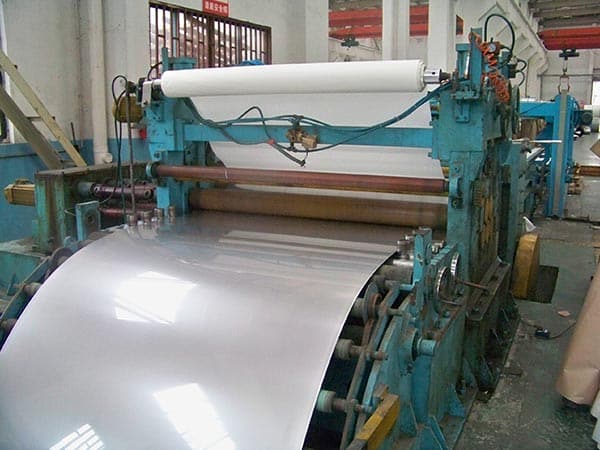
The Core Identity of B700L High-Strength Steel
B700L is a high-strength low-alloy (HSLA) structural steel specifically engineered for cold forming and structural components in the heavy machinery sector. The nomenclature itself reveals its primary performance metric: '700' denotes a minimum yield strength of 700 MPa, while 'L' signifies its optimized suitability for structural frames and longitudinal beams. Unlike traditional carbon steels, B700L achieves its remarkable strength-to-weight ratio through a precise balance of micro-alloying elements and advanced thermomechanical controlled processing (TMCP).
In the modern manufacturing landscape, the push for lightweighting without compromising safety has made B700L an indispensable material. It allows engineers to reduce the thickness of structural plates, thereby decreasing the overall weight of machinery such as truck cranes, concrete pump trucks, and mining equipment. This weight reduction directly translates to lower fuel consumption and higher payload capacities, aligning with global efficiency standards.
Deciphering the Chemical Composition of B700L
The performance of B700L is rooted in its chemical matrix. Manufacturers must adhere to strict elemental limits to ensure the material maintains its weldability and toughness while hitting the high strength targets. The chemical design focuses on low carbon content to prevent brittleness and high levels of grain-refining elements.
| Element | Mass Fraction (%) Max | Primary Function |
|---|---|---|
| Carbon (C) | 0.12 | Provides strength while maintaining excellent weldability and ductility. |
| Manganese (Mn) | 1.80 | Enhances hardenability and solid solution strengthening. |
| Silicon (Si) | 0.50 | Acts as a deoxidizer and contributes to tensile strength. |
| Phosphorus (P) | 0.025 | Kept low to prevent cold shortness and improve toughness. |
| Sulfur (S) | 0.015 | Minimizing sulfur reduces non-metallic inclusions and improves lamellar tearing resistance. |
| Niobium (Nb) | 0.09 | Crucial for grain refinement and precipitation hardening. |
| Vanadium (V) | 0.20 | Increases strength through fine carbide precipitation. |
| Titanium (Ti) | 0.15 | Fixes nitrogen and prevents grain growth during welding. |
| Aluminum (Al) | 0.015 (Min) | Deoxidation and grain size control. |
The micro-alloying strategy involving Niobium (Nb), Vanadium (V), and Titanium (Ti) is the hallmark of B700L. These elements form stable carbonitrides during the cooling process, which pin grain boundaries and prevent grain coarsening. This results in a fine-grained ferrite and pearlite (or sometimes bainite) microstructure, which is the secret behind the steel's ability to remain tough even at sub-zero temperatures.
Mechanical Integrity and Performance Metrics
B700L is not just about raw strength; it is about the balance of mechanical properties that allow it to survive the rigorous stresses of construction environments. The mechanical properties are tested to ensure that every batch can withstand dynamic loading and fatigue.
| Property | Value | Unit |
|---|---|---|
| Yield Strength (ReH) | ≥ 700 | MPa |
| Tensile Strength (Rm) | 750 - 950 | MPa |
| Elongation (A50mm) | ≥ 12 | % |
| Impact Energy (Charpy V-Notch) | ≥ 27J at -20°C | J |
The high yield strength ensures that structural parts do not undergo permanent deformation under heavy loads. Meanwhile, the tensile strength provides a safety margin against catastrophic failure. The elongation value of 12% or higher indicates that despite its hardness, the steel retains enough plasticity to be formed into complex shapes without cracking.
Advanced Processing Performance: Welding and Forming
For manufacturers of construction machinery, the processability of the steel is as important as its final strength. B700L excels in two critical areas: cold bending and welding.
Cold Forming Capabilities: B700L is designed for cold stamping and bending. Its fine-grained structure allows for tight bend radii without the risk of surface cracking. This is vital for creating the U-shaped beams and box sections common in truck chassis and crane booms. When processing B700L, it is recommended to use a bending radius that accounts for the material's high yield strength to minimize springback.
Weldability: With a low carbon equivalent (Ceq), B700L offers exceptional weldability. It can be joined using standard methods such as MAG (Metal Active Gas), MIG (Metal Inert Gas), and SAW (Submerged Arc Welding). Because of the micro-alloying elements, the Heat Affected Zone (HAZ) maintains a relatively fine grain structure, preventing the softening that often plagues other high-strength steels. Preheating is generally not required for standard thicknesses, which significantly speeds up production cycles.
Environmental Adaptability and Fatigue Resistance
Construction machinery often operates in extreme environments, from the scorching heat of desert mines to the freezing temperatures of arctic infrastructure projects. B700L is formulated to handle these variations. Its low-temperature impact toughness (tested at -20°C or even -40°C in specialized variants) ensures that the steel does not become brittle in cold climates, which is a common cause of structural failure in heavy equipment.
Furthermore, the fatigue resistance of B700L is superior to standard carbon steels. In machinery that undergoes repetitive lifting or vibration, such as excavator arms or vibratory rollers, the ability of the material to resist crack initiation and propagation is critical. The clean chemistry (low S and P levels) minimizes the internal inclusions that act as stress concentrators, thereby extending the service life of the equipment.
Strategic Applications in Modern Construction Machinery
The application of B700L has revolutionized the design of several key types of machinery. By replacing lower-grade steels like Q355 or Q460 with B700L, manufacturers can achieve a 20-30% reduction in component weight.
- Truck Cranes: Used in the telescopic boom sections where high strength and low weight are essential for maximum reach and lifting capacity.
- Concrete Pump Trucks: B700L is the preferred material for the long-reach booms that must support the weight of the concrete and the hydraulic systems while maintaining stability.
- Heavy Duty Chassis: The longitudinal and transverse beams of heavy-duty trailers and mining trucks utilize B700L to handle massive payloads and torsional stresses.
- Agricultural Equipment: High-performance plows and harvesters use B700L for structural frames to withstand the high impact forces of soil interaction.
The transition to B700L is a strategic move for any manufacturer looking to enhance product durability and operational efficiency. Its unique chemical composition, characterized by low carbon and high micro-alloying, provides the mechanical foundation required for the next generation of heavy-duty engineering solutions.
Leave a message