
What is the difference between EN 10346 HX500LAD + ZF cr coil and steel grade A36
A professional technical comparison between EN 10346 HX500LAD + ZF high-strength low-alloy steel and ASTM A36 structural carbon steel, covering mechanical properties, coatings, and industrial applications.
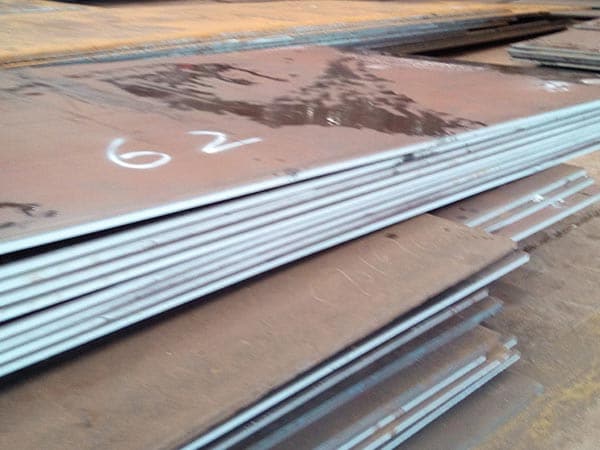
Understanding the Fundamental Distinction in Steel Metallurgy
Navigating the complexities of steel selection requires a deep dive into the specific standards and metallurgical designs that differentiate specialized high-strength materials from general-purpose structural steels. The comparison between EN 10346 HX500LAD + ZF and ASTM A36 is not merely a comparison of two products, but a study in two different engineering philosophies. HX500LAD + ZF is a highly engineered, cold-rolled, high-strength low-alloy (HSLA) steel designed for weight reduction and precision forming, while ASTM A36 is the quintessential carbon structural steel, prized for its versatility and predictable performance in heavy construction.
The Technical Profile of EN 10346 HX500LAD + ZF
The designation HX500LAD reveals a sophisticated chemical and mechanical architecture. Under the EN 10346 standard, the 'H' signifies high-strength, 'X' indicates the rolling condition (typically cold-rolled for these grades), and '500' denotes a minimum yield strength of 500 MPa. The 'LA' suffix identifies it as a Low-Alloy steel, which utilizes micro-alloying elements like Niobium (Nb), Titanium (Ti), and Vanadium (V) to achieve grain refinement and precipitation hardening. The 'D' indicates it is intended for hot-dip coating.
The +ZF suffix is critical for environmental and processing considerations. It refers to a Galvannealed coating (Zinc-Iron alloy). Unlike standard galvanized steel, ZF coatings are produced by heating the zinc-coated steel immediately after it leaves the molten bath. This causes iron from the steel substrate to diffuse into the zinc layer, creating an intermetallic alloy layer (usually 8% to 12% iron). This results in a matte grey finish that offers exceptional paint adhesion and superior spot-welding performance compared to pure zinc coatings.
The Characteristics of ASTM A36 Structural Steel
ASTM A36 is perhaps the most widely used mild steel in the world. It is a carbon-manganese steel that does not rely on complex micro-alloying. Its primary strength comes from its carbon content (typically around 0.25% to 0.29% depending on thickness) and manganese. A36 is characterized by a minimum yield strength of 36,000 psi (approximately 250 MPa). This is exactly half the yield strength of HX500LAD, which immediately highlights the different application tiers these materials occupy.
A36 is usually supplied in a hot-rolled condition and is often used without any metallic coating, although it can be hot-dip galvanized or painted post-fabrication. Its simplicity makes it exceptionally easy to weld, machine, and bend without the need for specialized equipment or precise thermal control required by some high-strength alloys.
Mechanical Property Comparison
When comparing these two grades, the mechanical disparity is the most striking factor. Engineers choosing between them must consider the strength-to-weight ratio, which is where HX500LAD excels.
| Property | HX500LAD + ZF | ASTM A36 |
|---|---|---|
| Minimum Yield Strength | 500 MPa | 250 MPa (36 ksi) |
| Tensile Strength | 560 - 700 MPa | 400 - 550 MPa (58-80 ksi) |
| Minimum Elongation (A80/A50) | Approx. 12% | Approx. 20-23% |
| Metallurgical Category | Micro-alloyed HSLA | Carbon Structural Steel |
As seen in the table, HX500LAD offers double the yield strength of A36. This allows for significant thickness reduction (down-gauging) in structural components while maintaining the same load-bearing capacity. However, the higher strength comes at the cost of elongation; A36 is significantly more ductile, making it more forgiving during extreme deformation or seismic loading in structural applications.
Chemical Composition and Weldability
The chemistry of HX500LAD is tightly controlled to ensure consistent forming properties. It maintains a very low carbon equivalent (CEV) despite its high strength, which is essential for maintaining weldability. The micro-alloying elements (Nb, Ti) are used in very small quantities (usually <0.15% combined) to pin grain boundaries during processing.
In contrast, A36 relies on a higher carbon content to achieve its strength. While A36 is considered the gold standard for weldability in the construction industry, HX500LAD + ZF requires more attention during the welding process. The ZF coating is specifically designed to improve spot welding in automotive assembly lines because the zinc-iron alloy has a higher electrical resistance and a higher melting point than pure zinc, which reduces electrode wear and improves nugget consistency.
Corrosion Resistance and Surface Finish
The environmental adaptability of these two steels is vastly different. HX500LAD + ZF comes with an integrated corrosion protection system. The Galvannealed layer provides sacrificial protection to the steel substrate. Because of the iron content in the coating, it forms a very hard, scratch-resistant surface that is ideal for heavy-duty automotive parts or industrial enclosures that will be painted. The matte surface of ZF provides an excellent mechanical key for powder coatings and automotive paints, preventing the "spangle" effect often seen in standard galvanized products.
ASTM A36, being a bare carbon steel, has virtually no inherent corrosion resistance. If exposed to the atmosphere, it will oxidize (rust) rapidly. In most applications, A36 must be protected by heavy industrial coatings, hot-dip galvanizing after fabrication, or used in controlled indoor environments. This adds a secondary processing step and cost that is already integrated into the HX500LAD + ZF coil.
Application Dynamics: Where Each Grade Rules
The choice between these materials is usually dictated by the industry. HX500LAD + ZF is a staple of the automotive industry and precision machinery manufacturing. It is used for structural reinforcements, longitudinal beams, and safety-critical components where high strength and low weight are paramount. The ability to use thinner gauges without sacrificing safety is the primary driver for its selection in modern vehicle architectures.
ASTM A36 is the backbone of civil engineering and heavy infrastructure. It is the material of choice for bridges, buildings, oil rigs, and general fabrication. Its availability in thick plates, I-beams, and channels makes it suitable for large-scale structures where the precision and thin-gauge capabilities of a cold-rolled HSLA coil like HX500LAD are not required. A36 is also preferred in applications where high-heat welding or heavy machining is necessary, as its properties are less sensitive to thermal cycles than micro-alloyed steels.
Processing and Fabrication Considerations
Fabricating with HX500LAD requires high-tonnage presses and precision tooling due to its high yield strength and potential for springback. When bending HX500LAD, the minimum bend radius must be carefully calculated to avoid cracking, especially when bending across the rolling direction. The ZF coating also behaves differently during forming; it is more brittle than a pure zinc coating and can exhibit "powdering" if the forming tools are not properly polished or if the draw beads are too aggressive.
A36 is much easier to work with using standard shop tools. It can be easily cut with oxy-fuel, plasma, or laser, and its lower yield strength means it can be formed with lower-capacity press brakes. It is also highly compatible with all common welding processes (SMAW, GMAW, FCAW) without the need for specialized fillers or complex pre-heating protocols, unless dealing with very thick sections.
Conclusion on Material Selection
Selecting between EN 10346 HX500LAD + ZF and ASTM A36 involves balancing strength requirements, weight constraints, and corrosion protection needs. HX500LAD + ZF offers a high-tech solution for high-stress, weight-sensitive applications requiring superior paint finish and corrosion resistance. ASTM A36 remains the reliable, cost-effective, and highly workable choice for general structural purposes where mass and volume are more common than precision and thin-wall strength. Understanding these nuances ensures that the chosen steel grade aligns perfectly with the mechanical demands and environmental challenges of the final product.
Leave a message