
B650L steel complete specifications cutting is widely used in mechanical manufacturing
A comprehensive guide to B650L steel, exploring its chemical composition, mechanical properties, precision cutting techniques, and its vital role in modern mechanical manufacturing and lightweight automotive design.
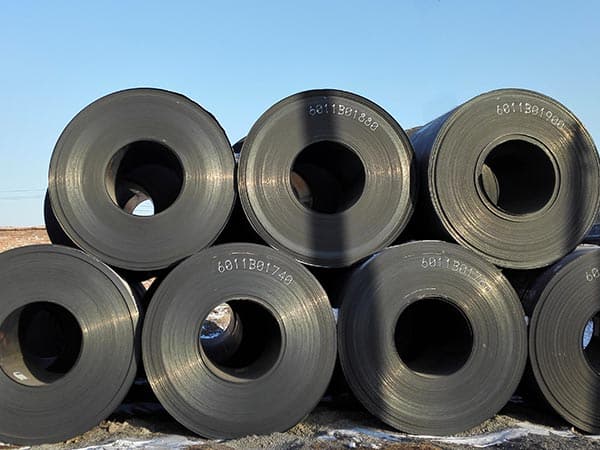
The Evolution of High-Strength Structural Steel: Understanding B650L
In the modern industrial landscape, the demand for materials that balance weight reduction with structural integrity has never been higher. B650L steel stands as a pinnacle of high-strength low-alloy (HSLA) structural steel, specifically engineered for the automotive and heavy machinery sectors. This material is characterized by its high yield strength and exceptional cold-forming properties, making it a preferred choice for components that must endure high stress while maintaining a lean profile.
B650L is often categorized under automotive structural steel standards, where the 'B' typically refers to Baosteel or similar enterprise standards, '650' denotes the minimum yield strength in Megapascals (MPa), and 'L' signifies its application in structural (longitudinal) components. The development of B650L was driven by the global shift towards 'lightweighting,' a strategy aimed at reducing fuel consumption and increasing payload capacity in transport vehicles without compromising safety.
Chemical Composition and the Science of Micro-Alloying
The superior performance of B650L is not accidental; it is the result of precise chemical engineering. Unlike traditional carbon steels, B650L utilizes micro-alloying elements to achieve its high strength-to-weight ratio. The inclusion of Niobium (Nb), Vanadium (V), and Titanium (Ti) creates a fine-grained microstructure during the rolling process.
| Element | Carbon (C) | Manganese (Mn) | Silicon (Si) | Phosphorus (P) | Sulfur (S) | Al (Alt) |
|---|---|---|---|---|---|---|
| Max % | 0.12 | 2.00 | 0.50 | 0.025 | 0.015 | 0.015 (Min) |
By keeping the carbon content low (typically below 0.12%), B650L maintains excellent weldability and toughness. Manganese is used to increase hardenability and tensile strength, while the micro-alloying elements refine the grain size, which is the primary mechanism for increasing yield strength without sacrificing ductility. This chemical balance ensures that the steel remains stable even under fluctuating thermal conditions during manufacturing.
Mechanical Properties: Strength Meets Flexibility
The core value proposition of B650L lies in its mechanical profile. It provides a significant leap in performance compared to standard Q355 or Q460 grades. For mechanical manufacturers, this means the ability to use thinner plates to achieve the same structural load-bearing capacity, leading to a reduction in overall machine weight.
| Property | Yield Strength (MPa) | Tensile Strength (MPa) | Elongation (%) | 180° Cold Bend (d=a) |
|---|---|---|---|---|
| Value | ≥ 650 | 700 - 820 | ≥ 12 | Pass |
The elongation factor of ≥ 12% is particularly noteworthy for a steel with a yield strength of 650 MPa. It indicates that the material can undergo significant deformation before fracture, a critical safety feature in automotive frames and crane booms. The cold-bending performance allows for complex shapes to be formed without surface cracking, which is essential for the streamlined designs of modern machinery.
Precision Cutting Techniques for B650L Steel
Processing B650L requires an understanding of its metallurgical response to heat. Because it is a high-strength steel, traditional cutting methods must be optimized to prevent edge hardening or thermal distortion. Laser cutting is the most recommended method for B650L, especially for thicknesses under 12mm. The concentrated heat source minimizes the Heat Affected Zone (HAZ), preserving the mechanical integrity of the cut edge.
- Fiber Laser Cutting: Offers high precision and speed. It is ideal for intricate patterns in automotive chassis components.
- Plasma Cutting: Suitable for thicker sections of B650L. High-definition plasma systems can achieve clean edges with minimal dross.
- Waterjet Cutting: The best option when zero thermal impact is required, though it is slower and more costly than laser methods.
- Flame Cutting: Generally avoided for thinner B650L sheets due to the wide HAZ, but can be used for very thick structural plates if preheating and post-cut cooling are managed correctly.
When cutting B650L, it is vital to maintain sharp tooling and correct gas pressures. For laser cutting, using Nitrogen as a shielding gas prevents oxidation of the cut surface, which is beneficial if the parts are to be painted or coated immediately after processing.
Welding and Joining Performance
B650L exhibits excellent weldability due to its low carbon equivalent (Ceq). It can be joined using standard industrial processes such as Gas Metal Arc Welding (GMAW/MIG), Tungsten Inert Gas (TIG) welding, and Submerged Arc Welding (SAW). However, to maintain the high strength of the base metal in the weld joint, specific filler metals must be selected.
Manufacturers should use high-strength welding wires (such as ER80S or ER90S series) that match the tensile properties of B650L. Because the steel relies on grain refinement for its strength, excessive heat input during welding can cause grain growth in the HAZ, slightly reducing the local yield strength. Implementing multi-pass welding with controlled interpass temperatures is a professional standard for B650L fabrication.
Diverse Applications in Mechanical Manufacturing
The versatility of B650L has led to its adoption across various heavy-duty industries. Its primary role is in the structural framework of vehicles and equipment that operate under dynamic loads. Heavy-duty truck frames are a primary application; using B650L allows for a thinner longitudinal beam, which reduces the vehicle's curb weight and increases its legal payload.
In the construction machinery sector, B650L is used for crane jibs, excavator arms, and concrete pump trucks. These components require high stiffness to prevent bending under load and high fatigue resistance to withstand thousands of operational cycles. The environmental adaptability of B650L also makes it suitable for agricultural equipment, where it resists the stresses of uneven terrain and heavy soil loads.
- Automotive Chassis: Cross members, bumper brackets, and suspension towers.
- Logistics Equipment: Lightweight semi-trailer frames and container chassis.
- Energy Sector: Structural supports for solar tracking systems and wind turbine internal components.
- Mining Machinery: Support structures for conveyors and vibrating screens.
Environmental Adaptability and Fatigue Life
Mechanical components often operate in harsh environments, from sub-zero temperatures to humid, corrosive atmospheres. B650L maintains its impact toughness even at lower temperatures, which is a critical requirement for machinery used in northern climates or high-altitude mining sites. The fine-grained structure provides a natural barrier against crack propagation, significantly extending the fatigue life of the component compared to standard carbon steels.
Furthermore, the surface quality of B650L is typically superior, often supplied in a pickled and oiled (P&O) condition or with a fine scale that accepts protective coatings readily. This ensures that the final product has high corrosion resistance when paired with modern painting or galvanizing techniques, ensuring a long service life in the field.
Economic Impact and Future Trends
While the per-ton cost of B650L may be higher than basic structural steels, the 'total cost of ownership' is often lower. By reducing the volume of steel required for a project, manufacturers save on shipping costs, welding consumables, and processing time. The move toward B650L reflects a broader trend in mechanical manufacturing: the shift from 'bulk' design to 'performance' design.
As global standards for emissions and efficiency tighten, the role of B650L will only expand. We are seeing increased interest in even higher grades, such as B700L and B800L, but B650L remains the 'sweet spot' for many engineers, providing the perfect balance of high strength, ease of processing, and cost-effectiveness. Its ability to be easily cut, bent, and welded ensures it will remain a staple in the inventory of high-end mechanical manufacturers for years to come.
Leave a message