
EN 10346 HX180YD + ZF galvanealed strip prices continue to be weak and downward
A comprehensive analysis of HX180YD + ZF galvannealed strip, covering its metallurgical properties, mechanical performance, and the economic factors driving current price weaknesses.
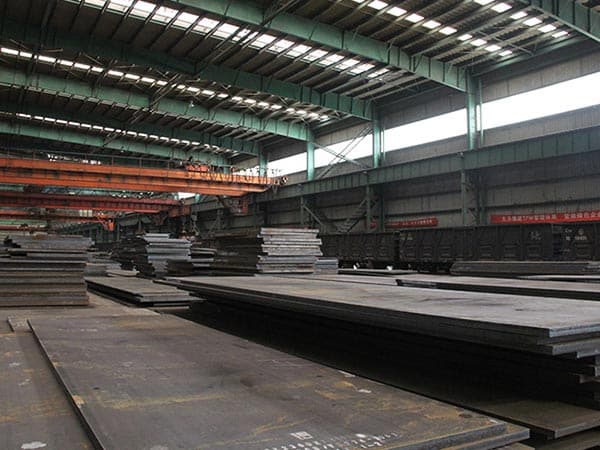
Current Market Dynamics of EN 10346 HX180YD + ZF Galvannealed Strip
The international steel market is currently navigating a period of significant price volatility, with the EN 10346 HX180YD + ZF galvannealed strip experiencing a notable downward trend. This pricing weakness is not merely a reflection of raw material fluctuations but is deeply tied to the shifting requirements of the automotive and precision manufacturing sectors. As global supply chains stabilize and production capacities in major industrial hubs remain high, the surplus of high-formability grades like HX180YD has led to a buyer-centric market. Understanding the intrinsic value of this material requires a deep dive into its metallurgical composition and the specific advantages offered by the ZF coating process.
Metallurgical Foundations: The Interstitial-Free (IF) Advantage
HX180YD is classified as an Interstitial-Free (IF) steel, a category engineered for extreme formability. The 'Y' in its designation signifies its IF nature, achieved through vacuum degassing and the precise addition of stabilizing elements such as titanium and niobium. These elements effectively 'lock up' interstitial carbon and nitrogen atoms, which would otherwise impede the movement of dislocations within the crystal lattice. This results in a steel matrix that is exceptionally soft and ductile, yet capable of achieving the 180 MPa minimum yield strength required for structural integrity.
The chemical composition is strictly controlled to ensure that the material maintains its non-aging characteristics. Unlike standard low-carbon steels, HX180YD does not suffer from stretcher strain or Lüders lines during the forming process, making it the gold standard for visible outer body panels where surface perfection is non-negotiable.
| Element | C (max %) | Si (max %) | Mn (max %) | P (max %) | S (max %) | Ti (max %) |
|---|---|---|---|---|---|---|
| HX180YD | 0.01 | 0.10 | 0.70 | 0.06 | 0.025 | 0.30 |
Mechanical Performance and Deep Drawing Capabilities
The technical superiority of HX180YD is most evident in its mechanical properties, specifically the plastic strain ratio (r-value) and the strain hardening exponent (n-value). For deep drawing applications, a high r-value indicates superior resistance to thinning, allowing the steel to be drawn into complex, deep geometries without fracturing. HX180YD typically exhibits an r-value exceeding 1.7, which is significantly higher than standard cold-rolled grades.
Furthermore, the n-value, which measures the material's ability to distribute strain uniformly, ensures that the steel hardens predictably during the stamping process. This prevents localized necking and allows for the production of lightweight yet rigid components. Despite the current price weakness, these mechanical advantages ensure that HX180YD remains a critical material for fenders, door inner panels, and floor pans.
| Property | Yield Strength (MPa) | Tensile Strength (MPa) | Elongation A80 (%) | r90 Value (min) | n90 Value (min) |
|---|---|---|---|---|---|
| Specification | 180 - 240 | 340 - 420 | ≥ 38 | 1.7 | 0.18 |
The ZF Coating: Galvannealing Science
The '+ZF' suffix denotes a galvannealed coating, a specialized process where the hot-dip zinc-coated strip is subjected to an inline annealing furnace. This causes iron from the steel substrate to diffuse into the zinc layer, creating a zinc-iron alloy coating (typically containing 8-12% iron). This alloyed surface is characterized by a matte grey appearance and a micro-crystalline structure that is fundamentally different from the spangled finish of pure galvanizing (Z).
Superior Paint Adhesion: The porous nature of the ZF coating provides an ideal mechanical bond for automotive primers and paints. This eliminates the need for complex surface pre-treatments required by other metallic coatings.
Exceptional Weldability: One of the primary reasons for the continued use of ZF strips is their performance in resistance spot welding. The iron content in the coating increases the electrical resistance and the melting point of the surface layer, which reduces electrode wear and widens the welding current window compared to pure zinc coatings.
- Enhanced corrosion resistance in hemmed joints and cavities.
- Reduced 'powdering' during high-speed stamping operations.
- Consistent surface friction coefficients for automated assembly lines.
Environmental Adaptability and Corrosion Protection
In harsh environments, the HX180YD + ZF strip offers a dual-layer protection mechanism. The zinc-iron alloy provides sacrificial protection, but the presence of iron within the coating also creates a more stable barrier against atmospheric corrosion. In salt spray testing, galvannealed surfaces often show slower creep at scratch sites compared to traditional galvanized steel. This makes it particularly suitable for vehicles operating in regions with high road salt usage or coastal humidity.
The environmental footprint of HX180YD is also being scrutinized under new green manufacturing standards. The efficiency of the IF steel production process, combined with the longevity provided by the ZF coating, contributes to a lower lifecycle carbon impact. Many mills are now integrating recycled scrap into the EAF (Electric Arc Furnace) route to produce these grades, aligning with the industry's push toward carbon neutrality.
Economic Factors Influencing Price Erosion
The current downward trend in HX180YD + ZF prices can be attributed to several converging factors. First, the automotive sector's pivot toward ultra-high-strength steels (UHSS) and gigacastings has reduced the relative volume of mild and high-strength IF steels used in new vehicle architectures. Second, energy costs in Europe have stabilized after previous spikes, allowing mills to lower their surcharges. Third, the global expansion of galvannealing lines, particularly in Asia, has increased the total available supply, leading to fierce price competition among Tier 1 and Tier 2 suppliers.
Inventory management strategies at major service centers have also shifted. With shorter lead times and high interest rates, many distributors are operating on a 'just-in-time' basis, avoiding large stockpiles and further depressing spot market prices. However, for long-term contract buyers, this period represents a strategic window to lock in supply for high-volume platforms that still rely on the unmatched formability of the HX180YD grade.
Expanding Industrial Applications
While automotive remains the primary consumer, the unique properties of HX180YD + ZF are finding utility in other sectors. In the home appliance industry, the material's ability to be drawn into seamless, complex shapes makes it ideal for high-end washing machine drums and refrigerator panels. The matte ZF surface is also favored for architectural components that require post-painting, such as acoustic ceiling panels and decorative facades.
The precision engineering sector utilizes HX180YD for intricate bracketry and housings where dimensional stability and corrosion resistance are paramount. The material's predictable springback behavior during forming allows for tighter tolerances in automated assembly, reducing the rate of rejection in high-precision production runs.
Strategic Outlook for HX180YD + ZF
The trajectory of HX180YD + ZF is inextricably linked to the balance between technical necessity and cost-efficiency. While prices are currently weak, the fundamental metallurgical advantages of Interstitial-Free steel combined with the process benefits of galvannealing ensure its continued relevance. Manufacturers who can leverage the current price dip to optimize their material costs without sacrificing the deep-drawing quality of their products will gain a significant competitive edge. As the industry moves toward more sustainable and efficient production models, the role of reliable, high-performance grades like HX180YD + ZF will remain a cornerstone of modern metallurgy.
Leave a message