
How to get the en 10149-2 high yield strength alloy grade s500mc price
A comprehensive guide on sourcing S500MC high yield strength steel, detailing its technical specifications, mechanical properties, and market pricing factors for procurement experts.
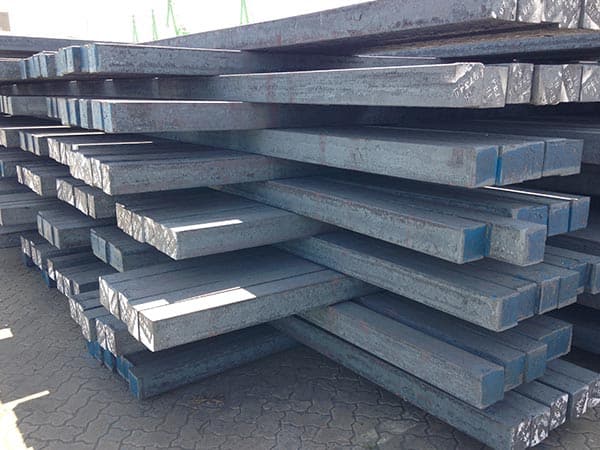
Technical Core of EN 10149-2 S500MC Steel
Procuring high-performance materials like EN 10149-2 S500MC requires more than just a surface-level understanding of market rates. This grade represents a thermomechanically rolled steel specifically engineered for cold forming. The "S" signifies structural steel, "500" denotes the minimum yield strength of 500 MPa, and "MC" indicates its suitability for cold forming (C) through a thermomechanical rolling process (M). Unlike traditional hot-rolled steels, S500MC achieves its superior strength through precise temperature control and grain refinement during production, rather than high alloy content alone. This makes it a cost-effective alternative for industries seeking to reduce weight without compromising structural integrity.
Chemical Composition and Its Influence on Pricing
The price of S500MC is fundamentally tied to its chemical makeup. While it is a low-carbon steel, the inclusion of micro-alloying elements such as Niobium (Nb), Vanadium (V), and Titanium (Ti) is critical. These elements facilitate grain refinement and precipitation hardening. When you request a quote, the purity of the melt and the specific micro-alloying strategy of the mill can influence the final cost. High-quality S500MC maintains low levels of Phosphorus and Sulfur to ensure excellent toughness and weldability.
| Element | Maximum Content (%) |
|---|---|
| Carbon (C) | 0.12 | Manganese (Mn) | 1.60 | Silicon (Si) | 0.50 | Phosphorus (P) | 0.025 | Sulfur (S) | 0.015 | Aluminium (Al) | 0.015 |
Understanding these limits helps buyers distinguish between standard commercial quality and high-end precision batches. Lower sulfur and phosphorus levels often command a premium because they reduce the risk of lamellar tearing and improve the steel's performance in low-temperature environments.
Mechanical Performance: The Value Driver
The primary reason engineers specify S500MC is its exceptional strength-to-weight ratio. By utilizing a 500 MPa yield strength material, designers can reduce the thickness of components compared to standard S235 or S355 grades. This weight reduction directly translates to fuel savings in the automotive sector and lower material costs in large-scale structural projects. When evaluating the price, consider the long-term savings in logistics and fabrication that high-strength steel provides.
- Yield Strength: Minimum 500 MPa, providing robust resistance against permanent deformation.
- Tensile Strength: Ranging from 550 to 700 MPa, ensuring the material can withstand significant loads before failure.
- Elongation: Minimum 12% to 14% (depending on thickness), allowing for complex bending and forming operations.
- Impact Toughness: Often tested at -20°C or -40°C, critical for equipment operating in harsh climates.
Processing Advantages and Cost Efficiency
The EN 10149-2 S500MC grade is designed for ease of fabrication. Its low carbon equivalent (CEV) makes it highly weldable using standard methods like MIG, TIG, and submerged arc welding. Because the steel is thermomechanically rolled, it possesses a fine-grained microstructure that remains stable during the welding process, minimizing the heat-affected zone (HAZ) softening that often plagues other high-strength steels.
Furthermore, its cold-forming properties are superior. It can be bent to tight radii without cracking, provided the minimum inner bend radius is respected. This reduces the need for expensive heat treatments or specialized forming equipment, lowering the overall cost of the finished part. When sourcing, ensure the supplier provides a mill test certificate (MTC) according to EN 10204 3.1 to verify these mechanical properties.
Factors Influencing the Market Price of S500MC
Getting an accurate price for S500MC involves navigating several market variables. It is rarely a fixed commodity price. Several factors play a decisive role:
- Raw Material Surcharges: Fluctuations in iron ore, scrap metal, and micro-alloying elements (Nb, V, Ti) are passed down to the buyer.
- Energy Costs: The TMCP process is energy-intensive. Regions with high electricity or gas prices may see higher production costs.
- Order Volume: Large-scale infrastructure projects can negotiate better rates than small-batch manufacturing orders.
- Dimensional Specifications: Extremely thin or wide coils/plates require tighter mill tolerances and may incur extra processing fees.
- Logistics and Origin: Shipping costs from major hubs like China, Europe, or India significantly impact the landed price.
Strategic Sourcing: How to Get the Best Quote
To obtain a competitive S500MC price, procurement professionals should adopt a multi-pronged approach. First, define the exact technical requirements, including thickness tolerances and surface finish. Standard EN 10149-2 allows for different surface qualities; specifying a pickled and oiled (P&O) finish will increase the price but save time in painting and coating later.
Second, consider the timing of the purchase. The steel market is cyclical. Monitoring global steel price indices can help in identifying low-entry points. Third, leverage relationships with both mills and reputable stockists. While mills offer lower prices for massive volumes, stockists provide flexibility for smaller quantities and faster lead times. Always ask for a breakdown of the price, including any extras for testing (like ultrasonic testing or low-temperature impact tests) and packaging.
Expanding Applications: Beyond Automotive
While the automotive industry was the early adopter of S500MC for chassis and structural frames, its use has expanded significantly. Today, it is a staple in the production of heavy machinery, crane arms, and telescopic booms. The ability to lift heavier loads with lighter equipment is a direct result of the high yield strength offered by this grade. In the transport sector, trailers and truck bodies manufactured from S500MC can carry higher payloads, increasing operational efficiency and reducing carbon footprints.
Agricultural equipment also benefits from S500MC. Plows, harvesters, and seeders require materials that can withstand high stress and abrasive conditions while remaining light enough to prevent soil compaction. The versatility of S500MC ensures that it remains a high-demand alloy, which in turn maintains a liquid and transparent market for pricing.
Evaluating Supplier Reliability
The cheapest price is not always the best value. When sourcing S500MC, verify the supplier's track record. A reliable supplier should provide comprehensive documentation, including chemical analysis and mechanical test results. They should also be able to demonstrate consistency in the material's thickness and flatness, which are crucial for automated laser cutting and robotic welding processes. Variations in material quality can lead to significant downtime and rework costs, far outweighing any initial savings on the per-ton price.
Engaging with experts who understand the nuances of EN 10149-2 ensures that you receive material that meets the stringent demands of modern engineering. By focusing on the total cost of ownership—including material price, processing efficiency, and component longevity—you can make a more informed decision that benefits your bottom line and project quality.
Leave a message