
Alloy steel automotive steel coil grade S500MC 10mm thick size
Comprehensive analysis of S500MC automotive steel coils, focusing on 10mm thickness specifications, mechanical properties, welding, and industrial applications.
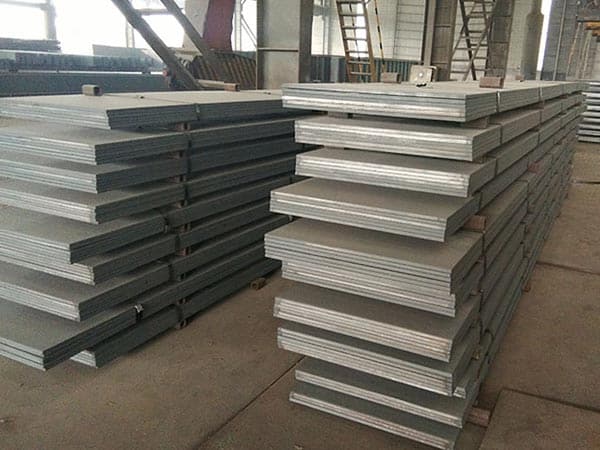
The Technical Superiority of S500MC High-Strength Low-Alloy Steel
S500MC represents a pinnacle in the evolution of High-Strength Low-Alloy (HSLA) steels, specifically engineered for the demanding requirements of the modern automotive and heavy machinery industries. As a thermomechanically rolled steel defined under the EN 10149-2 standard, S500MC offers a unique combination of high yield strength, excellent cold formability, and superior weldability. When dealing with a 10mm thickness, this material bridges the gap between traditional structural steels and high-performance alloys, providing a robust solution for load-bearing components that require weight reduction without compromising structural integrity.
The 'S' in S500MC denotes structural steel, while '500' indicates a minimum yield strength of 500 MPa. The 'MC' suffix signifies that the material is thermomechanically rolled (M) and intended for cold forming (C). This specific processing route ensures a fine-grained microstructure, which is the primary driver behind its exceptional mechanical properties. For engineers and manufacturers, the 10mm thickness in coil form presents a versatile raw material for heavy-duty chassis, crane arms, and structural cross-members.
Chemical Composition and Micro-Alloying Strategy
The performance of S500MC is rooted in its precise chemical balance. Unlike traditional carbon steels that rely on high carbon content for strength—which often compromises ductility and weldability—S500MC utilizes micro-alloying elements. These elements, including Niobium (Nb), Vanadium (V), and Titanium (Ti), are added in minute quantities to facilitate grain refinement and precipitation hardening during the thermomechanical rolling process.
| Element | Maximum Percentage (%) |
|---|---|
| Carbon (C) | 0.12 |
| Manganese (Mn) | 1.60 |
| Silicon (Si) | 0.50 |
| Phosphorus (P) | 0.025 |
| Sulfur (S) | 0.015 |
| Aluminium (Al) | 0.015 |
The low carbon equivalent (CEV) of S500MC is particularly beneficial for 10mm thick sections. It ensures that the steel remains highly weldable, reducing the risk of cold cracking in the heat-affected zone (HAZ). The inclusion of Manganese enhances hardenability and strength, while Silicon acts as a deoxidizer. The strict control over Phosphorus and Sulfur levels ensures internal cleanliness, which is vital for maintaining impact toughness and preventing lamellar tearing during heavy fabrication.
Mechanical Properties: Strength Meets Ductility
For a 10mm thick S500MC coil, the mechanical properties are optimized to handle both static and dynamic loads. The thermomechanical rolling process creates a fine ferritic-pearlitic structure that provides a high yield-to-tensile ratio. This is critical for automotive applications where energy absorption and structural stability are paramount.
- Yield Strength: Minimum 500 MPa. This allows for significant down-gauging, replacing thicker, heavier grades of conventional steel.
- Tensile Strength: Ranging from 550 to 700 MPa, ensuring the material can withstand extreme stress before failure.
- Elongation: Minimum 12% to 14% (depending on the test direction and gauge length), providing the necessary plasticity for complex forming operations.
- Impact Strength: While S500MC is primarily a cold-forming grade, it maintains good toughness at low temperatures, making it suitable for vehicles operating in diverse climates.
The 10mm thickness is a specific sweet spot for heavy-duty automotive frames. At this gauge, the material provides the stiffness required for truck chassis while benefiting from the weight-saving potential of the 500 MPa yield threshold. Compared to standard s355jr steel, S500MC allows for a weight reduction of approximately 20-30% in structural components.
Cold Forming and Processing Performance
One of the standout features of S500MC is its ability to be cold-formed despite its high strength. For a 10mm plate, the minimum bending radius is a critical parameter. Because of the fine grain structure and low impurity levels, S500MC can be bent to tight radii without surface cracking or edge splitting. This is essential for manufacturing U-beams, C-channels, and other complex profiles used in vehicle frames.
When processing 10mm S500MC, it is recommended to follow the standard guidelines for cold bending. For a 90-degree bend, the recommended internal radius is typically 1.5 to 2 times the material thickness, depending on the orientation of the bend relative to the rolling direction. The material's consistent mechanical properties across the coil length ensure predictable spring-back, which is vital for automated high-volume production lines.
Cutting and Machining: S500MC is highly compatible with modern cutting technologies. Laser cutting, plasma cutting, and waterjet cutting all yield excellent results. The low alloy content means that the heat-affected zone during thermal cutting is minimal, preserving the integrity of the edges for subsequent welding or assembly.
Advanced Welding Characteristics
Welding 10mm thick S500MC requires understanding its thermomechanical history. Since the strength is derived from the rolling process and micro-alloying rather than heat treatment, excessive heat input during welding can lead to localized softening in the heat-affected zone. However, due to its low carbon content, S500MC is generally more forgiving than traditional high-strength steels.
Common welding methods such as MIG/MAG (GMAW), submerged arc welding (SAW), and laser welding are all effective. It is advisable to use low-hydrogen consumables to further mitigate any risk of hydrogen-induced cracking. For 10mm sections, multi-pass welding may be necessary, and controlling the interpass temperature is key to maintaining the grain structure. No preheating is typically required for S500MC at this thickness, provided the ambient temperature is above 5°C and the material is dry.
Environmental Adaptability and Durability
S500MC is designed to perform in harsh environments. While it is not a weathering steel like Corten, its chemical composition provides a baseline resistance to atmospheric corrosion that exceeds basic carbon steels. In automotive applications, these coils are typically subjected to E-coating (electrophoretic deposition) or galvanizing. The surface quality of S500MC coils is optimized for these coating processes, ensuring excellent adhesion and long-term protection against road salts and moisture.
The fatigue resistance of S500MC is another critical factor for the automotive industry. Components like truck longitudinal beams are subjected to millions of stress cycles. The fine-grained structure of S500MC retards crack initiation and propagation, significantly extending the service life of the vehicle's structural skeleton compared to lower-grade alternatives.
Diverse Industrial Applications
While the automotive sector is the primary consumer of S500MC, its properties make it attractive for various other industries. The 10mm thickness is particularly popular in sectors where heavy loads and weight efficiency must be balanced.
- Heavy Truck and Trailer Manufacturing: Used for main frame rails, cross members, and suspension brackets where high strength-to-weight ratios are required.
- Construction and Lifting Equipment: S500MC is utilized in the fabrication of telescopic crane booms, agricultural machinery frames, and earthmoving equipment components.
- Storage and Logistics: High-load racking systems and container chassis benefit from the durability and formability of this grade.
- Renewable Energy: Support structures for solar arrays and components for wind turbine transport frames often specify S500MC for its reliability.
The transition to S500MC in these industries is driven by the global push for sustainability. By using higher-strength steel, manufacturers can use less material to achieve the same structural performance, leading to lower raw material costs, reduced transport emissions, and improved fuel efficiency for the end-user.
Sourcing and Quality Assurance for 10mm Coils
Procuring S500MC in 10mm thickness requires attention to mill certifications and dimensional tolerances. As a coil product, flatness and thickness consistency are paramount for automated uncoiling and leveling lines. Quality suppliers ensure that the material meets the EN 10149-2 requirements for surface finish and internal soundness. When specifying 10mm S500MC, it is also important to consider the coil width, which typically ranges from 1000mm to 1500mm, to optimize material nesting and minimize scrap during the blanking process.
In conclusion, S500MC at 10mm thickness represents a high-performance alloy steel that meets the rigorous demands of modern engineering. Its blend of high yield strength, superior cold formability, and excellent weldability makes it an indispensable material for creating the next generation of lightweight, durable, and efficient heavy-duty vehicles and machinery.
Leave a message