
Is the cutting method in en 10149-2 specification cutting comparable
A comprehensive technical analysis of cutting methods for EN 10149-2 high-yield strength steels, comparing the metallurgical impacts of laser, plasma, and mechanical processes on S315MC to S700MC grades.
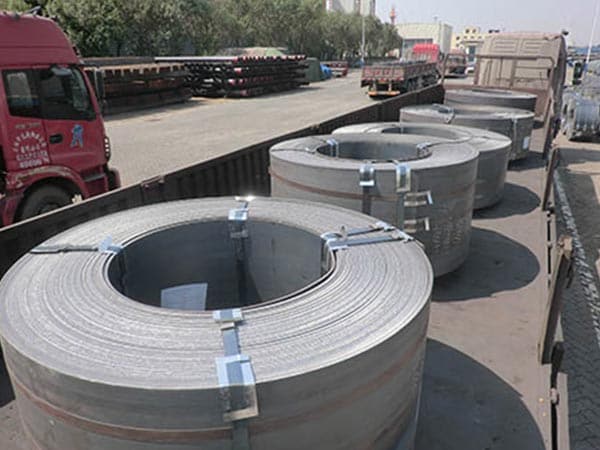
The Metallurgical Foundation of EN 10149-2 Steels
EN 10149-2 governs hot-rolled flat products made of high-yield strength steels for cold forming. These materials, ranging from S315MC to S700MC, are not traditional carbon steels; they are thermomechanically rolled (TM). This specific manufacturing process utilizes a combination of controlled rolling temperatures and cooling rates to achieve a fine-grained microstructure, often enriched with micro-alloying elements like Niobium (Nb), Vanadium (V), and Titanium (Ti). When we ask if cutting methods are comparable, we are not just discussing the speed of the cut, but how the energy input of each method interacts with this delicate, engineered microstructure. The integrity of the high-yield properties depends heavily on maintaining the grain refinement achieved during the TM process.
Thermal Cutting Methods: Laser vs. Plasma vs. Oxy-fuel
Thermal cutting is the most common approach for EN 10149-2 steels, but the comparability between laser, plasma, and oxy-fuel is limited by their respective Heat Affected Zones (HAZ). Laser cutting, particularly fiber laser technology, is widely considered the gold standard for S700MC and S500MC. The high power density allows for extremely high speeds, which minimizes the time the steel is exposed to high temperatures. This results in a very narrow HAZ, typically between 0.1mm and 0.3mm. Consequently, the loss of yield strength at the edge is negligible, making it ideal for components that require precise cold bending or high fatigue resistance.
In contrast, Plasma cutting, even High-Definition (HD) plasma, introduces a broader heat profile. The HAZ can extend from 0.5mm to 1.5mm depending on the plate thickness. For S700MC, this can lead to a localized softening of the material, where the fine grains grow or the martensitic/bainitic phases are tempered. While plasma is more cost-effective for thicker plates (above 20mm), its comparability to laser cutting diminishes as the requirement for edge ductility increases.
Oxy-fuel cutting is generally discouraged for the thinner gauges typical of EN 10149-2 (usually up to 20mm). The slow cutting speed and massive heat input can cause significant grain growth and a reduction in yield strength that can extend several millimeters into the plate. For a material designed for high-strength applications, using oxy-fuel can effectively turn a high-performance S700MC edge into something closer to a standard S355 grade in terms of local mechanical properties.
Mechanical Cutting and the Risk of Work Hardening
Mechanical cutting, such as shearing or punching, offers a non-thermal alternative, but it introduces its own set of variables. When shearing EN 10149-2 steels, the high yield strength requires significantly higher shear forces compared to conventional S235 or s355jr steels. The comparability here is often hindered by the work-hardening effect. As the blade penetrates the material, the local area undergoes intense plastic deformation, which increases hardness but drastically reduces ductility. This can lead to micro-cracking during subsequent cold forming operations, such as tight-radius bending.
- Shear Gap: Must be precisely adjusted (usually 10-15% of plate thickness) to prevent excessive burr and edge strain.
- Edge Quality: Mechanical edges are often prone to 'edge cracking' during stretching, a phenomenon more prevalent in S700MC than in lower grades like S315MC.
- Tool Wear: The micro-alloyed carbides in EN 10149-2 steels are abrasive, leading to faster degradation of cutting tools compared to standard carbon steels.
Abrasive Waterjet Cutting: The Cold Alternative
Waterjet cutting is the only method that is truly comparable to the original material state of EN 10149-2. Because it is a cold process, there is no HAZ and no thermal transformation of the microstructure. For critical structural components where the fatigue life is paramount, waterjet cutting preserves the thermomechanical properties perfectly. However, from a commercial perspective, it is often not comparable to laser cutting due to its much higher operating costs and slower processing speeds. It remains a niche choice for ultra-thick sections or where thermal distortion must be zero.
Comparative Performance Table
| Feature | Fiber Laser | HD Plasma | Oxy-fuel | Waterjet | Mechanical Shearing |
|---|---|---|---|---|---|
| HAZ Width | Very Narrow (<0.3mm) | Moderate (0.5-1.5mm) | Wide (>2.0mm) | None | None (Cold) |
| Edge Hardness | Slight Increase | Moderate Increase | Softening Risk | No Change | Significant Increase |
| Precision | Excellent | Good | Fair | Excellent | Fair |
| S700MC Suitability | High | Medium | Low | High | Medium-Low |
Impact on Downstream Processing: Bending and Welding
The choice of cutting method directly influences the success of cold forming. For EN 10149-2 steels, the minimum bending radius is a critical specification. A laser-cut edge, with its minimal HAZ and smooth surface finish, allows for tighter bends without the risk of cracking. Conversely, a plasma-cut edge might require grinding to remove the hardened layer before bending to ensure the same level of reliability. Edge preparation is the bridge that makes different cutting methods comparable in the final assembly.
Regarding welding, the nitrogen used in laser cutting can sometimes lead to porosity if not managed, while the oxide layer from oxygen-assisted cutting must be removed. The chemical composition of EN 10149-2 is optimized for low carbon equivalent (CEV), ensuring excellent weldability. However, the heat input from the welding process itself will overlap with the HAZ of the cut edge. If the cut edge was already compromised by oxy-fuel cutting, the cumulative thermal cycles can lead to a significant weak point in the structure.
Environmental Adaptability and Long-term Integrity
Steels like S420MC and S700MC are frequently used in mobile machinery, truck chassis, and crane arms, where they are exposed to dynamic loads and varying environmental conditions. The cutting method affects how these edges react to corrosion and fatigue. A rough, thermally damaged edge acts as a stress concentrator, potentially leading to premature failure under cyclic loading. Therefore, while various methods can 'cut' the steel, their comparability is ultimately judged by the long-term structural integrity of the finished part. High-precision laser cutting consistently provides the best balance of speed, cost, and preservation of the high-performance characteristics inherent in the EN 10149-2 specification.
Leave a message