
s355ms hot rolled automotive steel stockist and supplier
Explore the technical properties, chemical composition, and industrial applications of S355MS hot rolled automotive steel from a leading stockist.
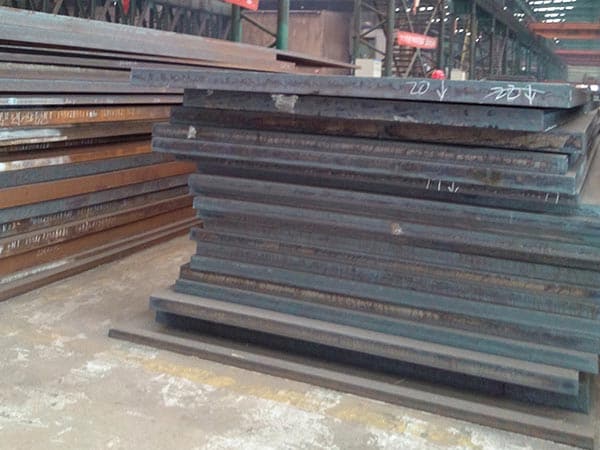
The Role of S355MS in Modern Automotive Engineering
S355MS hot rolled automotive steel represents a critical advancement in metallurgical engineering, specifically designed to meet the rigorous demands of the modern transportation sector. As a thermomechanically rolled fine-grain steel, S355MS offers a unique combination of high yield strength, exceptional weldability, and superior impact toughness. This material is primarily utilized in the manufacturing of structural components where weight reduction is essential without compromising safety or structural integrity. By leveraging the benefits of Thermomechanical Control Process (TMCP) technology, S355MS achieves a refined microstructure that traditional normalized steels cannot match. This refinement allows for thinner gauges to be used in heavy-duty applications, directly contributing to fuel efficiency and increased payload capacity in commercial vehicles.
Understanding the S355MS Designation and Standards
The nomenclature of S355MS provides specific insights into its performance characteristics. According to the EN 10149-3 standard, the 'S' denotes its classification as a structural steel. The numerical value '355' represents the minimum yield strength of 355 MPa for thicknesses up to 16mm. The 'M' indicates that the steel has been thermomechanically rolled, a process that involves controlled rolling and cooling to achieve specific mechanical properties. The 'S' suffix is particularly significant, as it specifies that the material has undergone impact testing at a temperature of -20°C, ensuring its reliability in cold-weather environments. This combination of attributes makes S355MS a preferred choice for global automotive suppliers who require consistent performance across diverse geographical regions.
Chemical Composition and Grain Refinement
The superior performance of S355MS is rooted in its precise chemical composition. Unlike standard carbon steels, S355MS utilizes micro-alloying elements such as Niobium (Nb), Vanadium (V), and Titanium (Ti). These elements facilitate grain refinement during the rolling process, creating a dense, fine-grained ferritic-pearlitic structure. The carbon content is kept low to enhance weldability and ductility, while the addition of Manganese ensures adequate strength. The following table outlines the typical chemical requirements for S355MS according to international standards.
| Element | Max % (Cast Analysis) |
|---|---|
| Carbon (C) | 0.12 |
| Manganese (Mn) | 1.50 |
| Silicon (Si) | 0.50 |
| Phosphorus (P) | 0.025 |
| Sulfur (S) | 0.020 |
| Aluminum (Al) | 0.015 |
| Nb + V + Ti | 0.22 |
The low Carbon Equivalent (CEV) of S355MS is a major selling point for automotive stockists. It minimizes the risk of cold cracking during welding and eliminates the need for pre-heating in most structural applications. This efficiency is vital in high-volume automotive assembly lines where cycle times are strictly monitored.
Mechanical Properties and Structural Integrity
The mechanical profile of S355MS is engineered for resilience. Beyond its yield strength, the material exhibits high tensile strength and excellent elongation properties, which are crucial for components subjected to dynamic loads and vibrations. The impact energy absorption at sub-zero temperatures ensures that automotive frames and chassis components do not undergo brittle fracture during winter operations or in arctic climates.
| Property | Value (t ≤ 16mm) |
|---|---|
| Yield Strength (ReH) | Min 355 MPa |
| Tensile Strength (Rm) | 430 - 550 MPa |
| Elongation (A5) | Min 23% |
| Impact Energy (-20°C) | Min 40 J |
These properties allow engineers to design lighter structures. For instance, replacing standard S235 steel with S355MS can lead to a weight reduction of up to 30% in specific structural members, which is a key driver for the GEO-focused shift toward sustainable transportation and reduced carbon footprints.
Advanced Processing: Cold Forming and Welding
One of the standout features of S355MS is its excellent cold forming capability. Despite its high strength, the material can be bent, folded, and pressed into complex shapes without the risk of surface cracking or edge tearing. This is particularly beneficial for manufacturing cross members, longitudinal beams, and complex brackets in truck chassis. Suppliers often provide S355MS with tight thickness tolerances to ensure precision during automated laser cutting and CNC bending processes. Furthermore, the weldability of S355MS is exceptional. It can be joined using all standard welding methods, including MIG, MAG, and submerged arc welding. The fine-grain structure remains stable in the heat-affected zone (HAZ), maintaining the structural integrity of the welded joint. This reliability is why S355MS is a staple in the inventory of specialized automotive steel stockists.
Strategic Applications in the Automotive Industry
The versatility of S355MS extends across various segments of the automotive and heavy machinery industries. In the commercial vehicle sector, it is the gold standard for truck frames, trailers, and tankers. These vehicles require materials that can withstand high stress while minimizing dead weight to maximize payload. In the passenger vehicle segment, S355MS is used for safety-critical components such as bumper beams and reinforcement pillars. Beyond traditional automotive uses, this steel grade is increasingly sought after for mobile cranes, agricultural machinery, and earth-moving equipment. Its ability to perform under high fatigue loads makes it ideal for the articulated joints and structural skeletons of heavy equipment that operate in harsh outdoor environments.
Quality Assurance and Supplier Selection
Choosing the right S355MS supplier is paramount for automotive manufacturers. A reputable stockist must provide full traceability and Mill Test Certificates (MTC) according to EN 10204 3.1 or 3.2. Quality assurance protocols, such as IATF 16949 certification, are essential to ensure that the steel meets the stringent safety standards of the automotive supply chain. Stockists often offer value-added services such as decoiling, precision slitting, and custom blanking. These services allow manufacturers to receive material that is ready for immediate production, reducing waste and optimizing the supply chain. When sourcing S355MS, it is also important to consider the surface finish; hot rolled steel for automotive use is often pickled and oiled (P&O) to remove mill scale and provide a clean surface for subsequent coating or painting processes.
Environmental Impact and Material Longevity
S355MS contributes significantly to the sustainability goals of the automotive industry. The high strength-to-weight ratio directly reduces the raw material consumption per vehicle. Additionally, steel is 100% recyclable. At the end of a vehicle's life cycle, S355MS components can be recovered and processed into new high-quality steel without loss of properties. The durability of S355MS also ensures a longer service life for vehicles, reducing the frequency of repairs and replacements. This longevity, combined with the material's ability to withstand corrosive environments when properly treated, makes it a cost-effective and environmentally responsible choice for the future of mobility.
Technical Support and Engineering Collaboration
Leading suppliers of S355MS do more than just stock material; they act as technical partners. Understanding the interaction between material properties and manufacturing processes is key to optimizing production. For example, a supplier can provide data on the minimum bending radius for different thicknesses of S355MS, helping engineers avoid trial-and-error during the prototyping phase. They can also advise on the optimal welding parameters to ensure the best possible fatigue life for structural joints. This collaborative approach ensures that the end product is not only robust and safe but also manufactured in the most efficient manner possible. As automotive designs become more complex, the demand for high-performance materials like S355MS will continue to grow, solidifying its position as a cornerstone of modern vehicle construction.
Leave a message