
S420MC high-strength steel with low and intermediate tensile strength
A comprehensive technical analysis of S420MC high-strength steel, exploring its mechanical properties, thermomechanical rolling process, welding performance, and diverse industrial applications for weight reduction and structural integrity.
Defining S420MC: The Intersection of Strength and Ductility
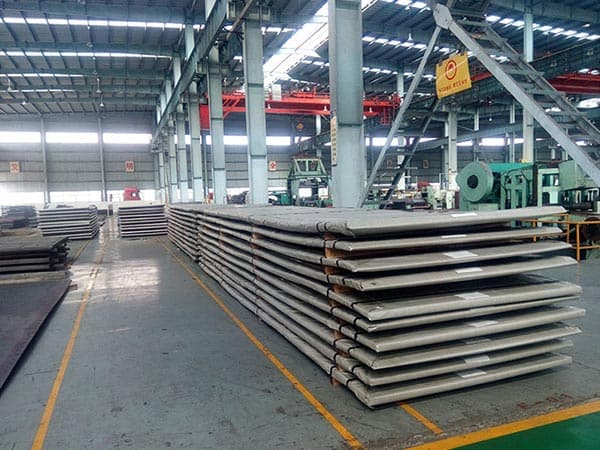
S420MC represents a pivotal grade within the high-strength low-alloy (HSLA) steel spectrum, specifically governed by the EN 10149-2 standard. This material is engineered through a process known as thermomechanical rolling, which meticulously controls the deformation and cooling rates to achieve a fine-grained microstructure. Unlike traditional hot-rolled steels, S420MC offers a unique equilibrium between a high yield strength of at least 420 MPa and the intermediate tensile strength required for complex cold-forming operations. This specific balance makes it an indispensable asset for engineers seeking to reduce component weight without sacrificing structural reliability.
The Science of Thermomechanical Rolling and Micro-Alloying
The superior performance of S420MC is not accidental; it is the result of precise metallurgical engineering. By utilizing micro-alloying elements such as Niobium (Nb), Vanadium (V), and Titanium (Ti), manufacturers can induce grain refinement and precipitation hardening. These elements form stable carbides and nitrides that pin grain boundaries during the rolling process, preventing grain growth and ensuring a uniform, tough structure. The low carbon content, typically kept below 0.12%, is crucial for maintaining excellent weldability and preventing the formation of brittle phases during rapid cooling.
| Chemical Element | Maximum Content (%) |
|---|---|
| Carbon (C) | 0.12 |
| Manganese (Mn) | 1.60 |
| Silicon (Si) | 0.50 |
| Phosphorus (P) | 0.025 |
| Sulfur (S) | 0.015 |
| Aluminium (Al) | 0.015 |
Mechanical Properties: Yield Strength and Elongation
When analyzing S420MC, the primary focus often falls on its yield strength. With a minimum threshold of 420 MPa, it provides a significant upgrade over standard S355 grades, allowing for a reduction in plate thickness while maintaining the same load-bearing capacity. The tensile strength range of 480 to 620 MPa ensures that the material can absorb energy and deform plastically before failure, a critical safety feature in automotive and mobile machinery applications. Furthermore, the elongation properties (typically A80 ≥ 16% for thicknesses under 3mm) demonstrate its readiness for aggressive bending and flanging.
- Yield Strength (ReH): Min. 420 MPa
- Tensile Strength (Rm): 480 - 620 MPa
- Elongation (A80): Min. 16% (varies by thickness)
- Impact Toughness: Often tested at -20°C to ensure brittle fracture resistance.
Advanced Process Performance: Cold Forming and Welding
One of the standout features of S420MC is its exceptional cold-formability. Despite its high strength, the material behaves predictably during press-braking and roll-forming. For designers, this means smaller bend radii are achievable compared to traditional high-strength steels. Specifically, for thicknesses (t) up to 3mm, a minimum inside bend radius of 0.5t is often feasible, which facilitates the creation of compact, high-efficiency structural profiles.
From a fabrication perspective, the low carbon equivalent (CEV) of S420MC translates to superb weldability. It can be joined using all standard welding methods, including MAG, MIG, and laser welding. Because the material relies on grain refinement rather than high carbon for strength, the Heat Affected Zone (HAZ) remains relatively tough, minimizing the risk of cold cracking. This eliminates the need for costly pre-heating or post-weld heat treatments in most structural applications, significantly streamlining production timelines.
Environmental Adaptation and Fatigue Resistance
S420MC is frequently deployed in environments where dynamic loading is the norm. Its fine-grained structure provides a natural barrier to fatigue crack initiation and propagation. In the context of heavy transportation, where chassis and frames are subjected to constant vibration and cyclic stress, S420MC offers a longer service life than conventional steels. Additionally, while it is not a dedicated weathering steel, its clean chemistry and uniform surface finish provide a consistent substrate for modern anti-corrosion coatings, such as zinc-flake or cathodic e-coating, ensuring longevity in harsh atmospheric conditions.
Expanding Industrial Applications
The utility of S420MC extends far beyond basic structural frames. Within the logistics and transport sector, it is the material of choice for manufacturing lightweight trailer chassis, crane booms, and telescopic arms. By utilizing S420MC, manufacturers can increase the payload capacity of vehicles by reducing the tare weight of the structural components. This contributes directly to fuel efficiency and a lower carbon footprint for the transport industry.
In the renewable energy sector, S420MC is increasingly used for solar mounting systems and wind turbine internal components. The demand for materials that can withstand high wind loads while remaining easy to transport and assemble on-site makes this grade an ideal candidate. Similarly, in the agricultural machinery industry, components like plow frames and harvester supports benefit from the high impact resistance and strength-to-weight ratio that S420MC provides.
Comparative Analysis: S420MC vs. S355MC and S500MC
Choosing the right grade requires a nuanced understanding of the trade-offs between strength and cost. S355MC is often the baseline for structural applications, but upgrading to S420MC allows for a thickness reduction of approximately 15-20% while maintaining the same safety factor. Conversely, while S500MC offers even higher strength, it comes with stricter requirements for bending radii and slightly reduced ductility. S420MC sits in the "sweet spot," offering enough strength for significant weight savings while retaining the processing ease of lower-grade steels.
| Grade | Yield Strength (MPa) | Tensile Strength (MPa) | Key Advantage |
|---|---|---|---|
| S355MC | 355 | 430-550 | Maximum ductility and lowest cost. |
| S420MC | 420 | 480-620 | Optimal balance of weight saving and formability. |
| S500MC | 500 | 550-700 | Maximum weight reduction for simpler shapes. |
Strategic Implementation in Modern Manufacturing
Successful implementation of S420MC requires a holistic approach to design and fabrication. Engineers must account for the material's springback characteristics during the bending process, which are slightly more pronounced than in lower-strength grades. Utilizing advanced CAD/CAM simulation tools can help predict these behaviors and optimize tool design. Furthermore, sourcing S420MC from reputable mills that ensure tight tolerances on chemical composition and thickness is vital for maintaining consistency in automated production lines. By leveraging the unique attributes of this thermomechanically rolled steel, industries can push the boundaries of efficiency and durability in the next generation of structural engineering.
Leave a message