
What is the BS700MC cold forming autobobile steel for car parts electric stove
Explore the mechanical properties, processing advantages, and industrial applications of BS700MC high-strength cold forming steel for automotive and structural components.
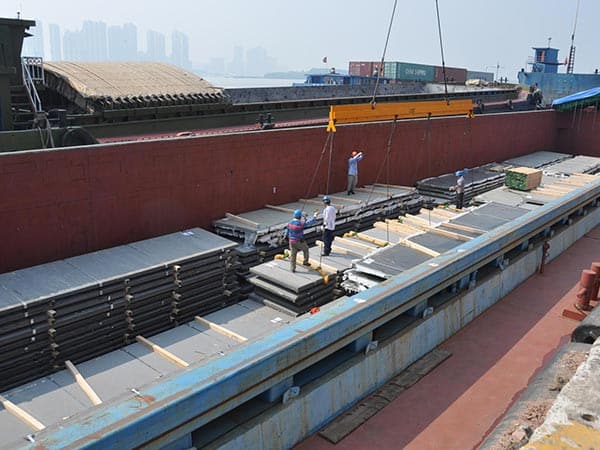
Understanding the Essence of BS700MC High-Strength Steel
BS700MC represents a pinnacle in the evolution of thermomechanically rolled high-strength low-alloy (HSLA) steels. Specifically engineered for cold forming, this material is defined by its exceptional yield strength and remarkable ductility. While the nomenclature often points toward automotive chassis and structural frameworks, its versatility extends into specialized machinery and even high-end industrial equipment components like heavy-duty electric stove frames where structural integrity under load is paramount.
The "BS" prefix typically denotes the Baosteel enterprise standard, which aligns closely with the European EN 10149-2 standard for S700MC. The "700" signifies a minimum yield strength of 700 MPa, a threshold that allows engineers to significantly reduce material thickness without compromising the safety or durability of the final product. This lightweight potential is the primary driver for its adoption in the modern automotive industry, where fuel efficiency and emission reductions are critical.
Chemical Composition and Micro-Alloying Strategy
The superior performance of BS700MC is not accidental; it is the result of a meticulously controlled chemical balance. By maintaining a very low carbon content, the steel achieves excellent weldability and toughness. The strength is primarily derived from micro-alloying elements such as Niobium (Nb), Vanadium (V), and Titanium (Ti).
- Niobium (Nb): Refines the grain structure during the rolling process, enhancing both strength and toughness.
- Titanium (Ti): Acts as a stabilizer and prevents grain growth in the heat-affected zone during welding.
- Vanadium (V): Contributes to precipitation hardening, ensuring the 700 MPa yield strength is consistent throughout the coil.
By keeping the Carbon Equivalent (Ceq) low, BS700MC avoids the brittleness often associated with high-strength steels, making it an ideal candidate for complex cold-forming operations.
Mechanical Properties: Strength Meets Flexibility
The technical profile of BS700MC is characterized by a high yield-to-tensile ratio. This allows for predictable deformation during the manufacturing process. Unlike traditional structural steels, BS700MC maintains significant elongation even at high stress levels.
| Property | Value Range (Typical) |
|---|---|
| Yield Strength (ReH) | ≥ 700 MPa |
| Tensile Strength (Rm) | 750 - 950 MPa |
| Elongation (A50mm) | ≥ 12% |
| Bending Radius (180°) | 0.5t to 1.5t (depending on thickness) |
These properties ensure that parts manufactured from BS700MC can withstand extreme dynamic loads, making them perfect for automobile longitudinal beams, cross members, and crane arms. The ability to absorb energy during an impact also makes it a preferred choice for safety-critical automotive components.
Cold Forming and Processing Performance
One of the standout features of BS700MC is its cold forming capability. Despite its high strength, it can be bent, flanged, and cold-pressed into intricate shapes. This is particularly useful for car parts that require complex geometries to fit into compact engine bays or chassis layouts.
When processing BS700MC, it is essential to consider the springback effect. Due to the high yield strength, the material tends to return to its original shape more than lower-grade steels. Advanced CNC bending and stamping simulations are usually employed to compensate for this. Furthermore, the steel exhibits excellent hole expansion capacity, which is vital for parts that require punched holes for fasteners or assembly points.
Welding and Joining Technology
For manufacturers of car parts and industrial structures, weldability is a non-negotiable requirement. BS700MC is designed to be compatible with all standard welding processes, including MAG (Metal Active Gas), Laser Welding, and Resistance Spot Welding.
Because of the low carbon equivalent, the risk of cold cracking is minimal. However, to maintain the integrity of the micro-alloyed structure, it is recommended to control the heat input. Excessive heat can lead to grain coarsening in the heat-affected zone (HAZ), which might slightly reduce the local strength. Using high-quality filler materials that match the strength of the base metal ensures that the welded joint remains as robust as the rest of the component.
Applications Beyond the Automotive Sector
While the "automobile steel" tag is prominent, BS700MC finds its way into various other sectors. In the context of electric stoves or large-scale commercial thermal equipment, this steel is used for the internal structural skeleton. These frames must support heavy heating elements and insulation while resisting thermal expansion stresses. The high strength of BS700MC allows for thinner, lighter frames that do not warp under the weight or moderate thermal cycles.
Other key industries include:
- Transportation: Trailer frames, container chassis, and heavy-duty truck bumpers.
- Construction Machinery: Telescopic boom arms for cranes and concrete pump trucks.
- Renewable Energy: Support structures for solar tracking systems where wind resistance is vital.
- Storage Systems: High-load racking systems in automated warehouses.
Environmental Adaptability and Longevity
BS700MC is often supplied in a pickled and oiled condition or as hot-rolled black coil. Its fine-grained microstructure provides a degree of natural resistance to atmospheric corrosion compared to coarser steels. When paired with modern coating technologies like Electro-coating (E-coat) or hot-dip galvanizing, components made from BS700MC can achieve a service life spanning decades, even in harsh environments.
The weight reduction achieved through using BS700MC also has a positive environmental impact. In vehicles, every kilogram saved translates to lower CO2 emissions. In industrial applications, lighter structures require less energy for transport and installation, contributing to a lower overall carbon footprint for the project.
Technical Considerations for Engineering Design
Designing with BS700MC requires a shift in mindset from traditional mild steels. Engineers must account for the material's directional properties; while modern thermomechanical rolling minimizes anisotropy, the orientation of bends relative to the rolling direction can still influence the minimum bend radius. Utilizing the high yield strength effectively allows for the "down-gauging" of parts—replacing an 8mm S355 part with a 5mm BS700MC part, for instance, results in a weight saving of nearly 40% while maintaining the same load-bearing capacity.
The surface quality of BS700MC is also superior, providing a smooth substrate for painting and finishing. This is particularly important for visible car parts and consumer-facing industrial equipment like high-end stoves, where aesthetic finish is as important as structural performance.
Procurement and Quality Assurance
When sourcing BS700MC, it is vital to verify the material certification against the Q/BQB 310 or EN 10149-2 standards. Consistency in thickness tolerances and flatness is crucial for automated production lines. Leading steel mills utilize advanced cooling and rolling controls to ensure that every coil of BS700MC meets the stringent requirements of the global automotive supply chain, ensuring that whether it is used in a car chassis or a specialized industrial frame, the performance remains unwavering.
Leave a message