
What is the rate of S700MC hot rolled pickled steel per ton in Singapore
Comprehensive guide on S700MC hot rolled pickled steel pricing in Singapore, covering technical specifications, mechanical properties, and market drivers.
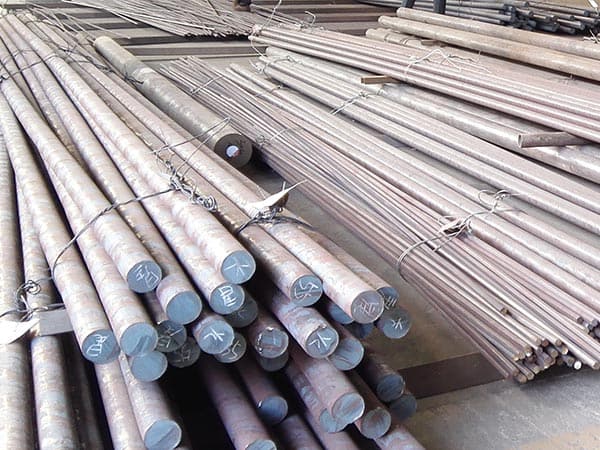
Current Market Dynamics of S700MC Steel in Singapore
Determining the exact rate of S700MC hot rolled pickled steel per ton in Singapore requires an understanding of both global commodity trends and local logistics. As a high-strength, low-alloy (HSLA) steel, S700MC is not a standard commodity grade like S235 or S355. Its pricing is influenced by the cost of micro-alloying elements such as niobium, vanadium, and titanium, alongside the specialized thermomechanical rolling processes required to achieve its 700 MPa yield strength. In the current Singaporean market, prices typically fluctuate based on import duties, shipping costs from major hubs like China or Europe, and the specific thickness and width requirements of the project.
For procurement managers in Singapore, the "rate per ton" is often quoted as a base price plus extras for pickling and oiling (P&O). The pickling process, which involves removing the iron oxide scale from the surface using an acid bath, adds a premium over standard black hot-rolled coils. This premium is justified by the reduced processing time for the end-user, as the steel arrives ready for laser cutting, welding, or painting without further surface preparation.
Technical Specifications and Material Composition
S700MC is defined under the EN 10149-2 standard. It is specifically designed for cold-forming applications where weight reduction is critical without sacrificing structural integrity. The "MC" suffix denotes a thermomechanically rolled material with a high yield strength. Unlike traditional quenched and tempered steels, S700MC achieves its properties through precise temperature control during the rolling process, resulting in a fine-grained microstructure.
The chemical composition is strictly controlled to ensure excellent weldability and toughness. Below is a typical breakdown of the chemical requirements for S700MC:
| Element | Max % Content |
|---|---|
| Carbon (C) | 0.12 |
| Manganese (Mn) | 2.10 |
| Silicon (Si) | 0.60 |
| Phosphorus (P) | 0.025 |
| Sulfur (S) | 0.015 |
| Aluminium (Al) | 0.015 |
By keeping the carbon equivalent (CEV) low, S700MC offers superior weldability compared to other steels of similar strength. This is a significant factor for Singaporean engineering firms involved in heavy machinery and transport equipment manufacturing, as it reduces the risk of cold cracking in welded joints.
Mechanical Performance and Structural Advantages
The primary reason engineers specify S700MC is its exceptional strength-to-weight ratio. By utilizing 700 MPa yield strength steel, designers can reduce the thickness of structural components by up to 30% compared to S355 steel. This leads to lighter trailers, cranes, and chassis, which in turn increases payload capacity and fuel efficiency—critical factors in Singapore's logistics and shipping sectors.
- Yield Strength: Minimum 700 MPa (for thicknesses ≤ 16mm).
- Tensile Strength: 750 to 950 MPa.
- Elongation: Minimum 10-12% depending on thickness.
- Impact Toughness: Excellent performance even at low temperatures, ensuring safety in dynamic loading environments.
These mechanical properties make S700MC an ideal candidate for complex cold-forming operations. Despite its high strength, the material retains sufficient ductility to be bent or folded, provided the minimum bend radii are respected. This versatility is why the rate per ton is often viewed as an investment in long-term operational savings.
The Importance of the Pickling and Oiling Process
When purchasing S700MC in Singapore, many buyers opt for the pickled and oiled (P&O) finish. Hot rolling naturally creates a dark layer of scale on the steel surface. For precision industries, this scale is problematic as it can damage tooling during stamping or interfere with high-precision laser cutting.
The pickling process uses hydrochloric acid to strip this scale, leaving a clean, silver-grey metallic finish. A light layer of oil is then applied to prevent flash rusting during transit across the humid Singaporean climate. This surface quality is essential for applications requiring high-quality paint finishes or powder coating, such as specialized vehicle bodies or architectural components.
Factors Influencing the Price Per Ton in Singapore
Several localized and global factors dictate the daily rate for S700MC in the Singaporean market. Understanding these can help in timing large-scale procurement:
- Global Iron Ore and Scrap Prices: As a micro-alloyed steel, the base price is heavily tied to global raw material indices.
- Energy Costs: Thermomechanical rolling is energy-intensive; fluctuations in regional energy prices impact the mill's output cost.
- Freight and Logistics: Singapore's status as a transshipment hub means it is sensitive to container and bulk shipping rates. Port handling fees at Jurong Port also play a role.
- Currency Exchange: Since steel is largely traded in USD, the SGD/USD exchange rate directly affects the local landed cost.
- Stock Availability: S700MC is often a "make-to-order" grade. Local stockists may charge a premium for immediate delivery from their inventory compared to mill-direct indent orders.
Strategic Applications in Singapore's Industrial Sector
Singapore's unique industrial landscape provides several key areas where S700MC hot rolled pickled steel is indispensable. In the transportation industry, it is used to manufacture lightweight truck frames and trailers that comply with strict axle load regulations. By reducing the tare weight of the vehicle, operators can maximize the weight of the goods transported.
In the lifting and mobile crane sector, S700MC is used for boom sections and outriggers. The high yield strength allows for longer reach and higher lifting capacities without increasing the overall weight of the crane. Furthermore, the offshore and marine engineering companies in Singapore utilize S700MC for secondary structures where high strength and good weldability are required in compact spaces.
| Industry | Typical Component | Benefit of S700MC |
|---|---|---|
| Logistics | Trailer Chassis | Weight reduction & increased payload |
| Construction | Telescopic Booms | High strength for extended reach |
| Automotive | Cross Members | Excellent formability and safety |
| Renewables | Solar Racking | Durability in high-wind zones |
Environmental Adaptability and Sustainability
Singapore's tropical environment, characterized by high humidity and salt-laden air, poses a challenge for steel longevity. S700MC, especially when pickled and oiled, provides a superior substrate for protective coatings. The clean surface ensures maximum adhesion for epoxy primers and marine-grade paints, which are vital for preventing corrosion in the Lion City.
From a sustainability perspective, using S700MC contributes to "material efficiency." By using less steel to achieve the same structural performance, the total carbon footprint of a project is reduced. This aligns with Singapore's Green Plan 2030, encouraging industries to adopt materials that promote resource efficiency and reduce life-cycle emissions through lighter transportation solutions.
Procurement Advice for S700MC in Singapore
When requesting a quote for the rate of S700MC, it is vital to specify the exact requirements to avoid hidden costs. Buyers should clarify if the price includes Mill Test Certificates (MTC) to EN 10204 3.1 standards, which verify the chemical and mechanical properties. Additionally, confirm the tolerances—S700MC is often produced to EN 10051, which dictates thickness and flatness tolerances for continuously hot-rolled products.
Given the volatility of the steel market, it is often beneficial to establish long-term partnerships with reputable suppliers who have a strong presence in the ASEAN region. This ensures a stable supply chain and more predictable pricing models, even when global markets face disruptions. Always account for the "pickled and oiled" condition in the contract to ensure the material arrives in a state that is ready for immediate production, thereby saving on local processing costs.
Leave a message