
What is the chemical composition of domex 700 cold forming autobobile steel sheet?
A comprehensive guide to the chemical composition, mechanical properties, and automotive applications of Domex 700 high-strength cold forming steel.
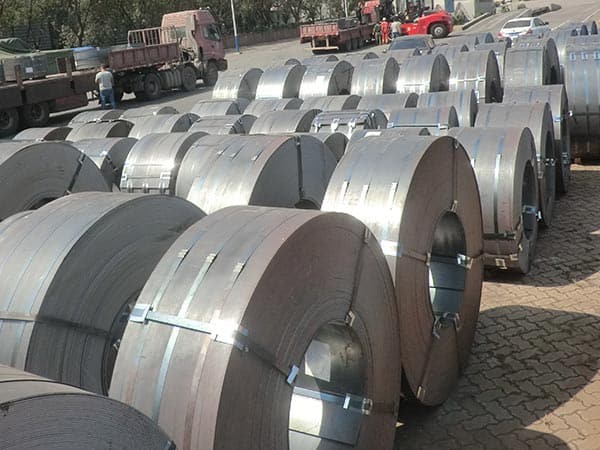
The Metallurgical Foundation of Domex 700
Domex 700 is a high-strength, cold-forming steel that has revolutionized the way automotive and structural engineers approach weight reduction and load-bearing capacity. Produced primarily through a thermomechanical rolling process, this steel grade is designed to offer a unique combination of high yield strength and exceptional formability. Understanding the chemical composition of Domex 700 is essential for grasping how it maintains its structural integrity while being subjected to rigorous manufacturing processes like bending, shearing, and welding.
The chemical makeup of Domex 700 is strictly controlled to ensure consistency across different batches. Unlike traditional carbon steels, Domex 700 utilizes a low-carbon philosophy supplemented by micro-alloying elements. This approach allows the steel to achieve a yield strength of at least 700 MPa without the brittleness typically associated with high-carbon materials. The precision in its elemental balance is what makes it a staple in the production of lightweight truck chassis, crane booms, and complex automotive structural components.
Detailed Chemical Composition Analysis
The performance of Domex 700 is a direct result of its elemental configuration. Each element is added or restricted to serve a specific purpose, from grain refinement to improving weldability. Below is a detailed breakdown of the typical chemical composition based on the EN 10149-2 standard, which corresponds to the S700MC designation.
| Element | Maximum Percentage (%) | Primary Function in Domex 700 |
|---|---|---|
| Carbon (C) | 0.12 | Ensures weldability and prevents brittleness. |
| Manganese (Mn) | 2.10 | Increases strength and hardness through solid solution. |
| Silicon (Si) | 0.10 - 0.25 | Deoxidizer and contributes to strength. |
| Phosphorus (P) | 0.025 | Kept low to prevent cold shortness and cracking. |
| Sulfur (S) | 0.010 | Minimized to improve ductility and toughness. |
| Aluminum (Al) | 0.015 (min) | Acts as a deoxidizer and grain refiner. |
| Niobium (Nb) | 0.09 | Micro-alloying for grain size control. |
| Vanadium (V) | 0.20 | Enhances precipitation hardening. |
| Titanium (Ti) | 0.15 | Prevents grain growth during welding. |
Carbon Content and Weldability: The carbon content in Domex 700 is remarkably low, usually capped at 0.12%. This is significantly lower than many other structural steels with similar strength levels. Low carbon is the key to the material's excellent weldability. It reduces the risk of cold cracking in the heat-affected zone (HAZ) and allows for welding without the need for extensive preheating, which is a major advantage in high-volume automotive assembly lines.
The Role of Micro-Alloying Elements: The use of Niobium (Nb), Vanadium (V), and Titanium (Ti) is what defines Domex 700 as a High-Strength Low-Alloy (HSLA) steel. These elements work together to create a fine-grained microstructure during the thermomechanical rolling process. Niobium, in particular, retards recrystallization, leading to a much finer ferrite grain size. This fine grain structure is the primary reason Domex 700 can achieve such high strength while remaining ductile enough for cold forming.
Mechanical Properties and Performance Metrics
While the chemistry provides the blueprint, the mechanical properties are the proof of Domex 700's capabilities. The steel is engineered to provide a minimum yield strength of 700 MPa, but its tensile strength and elongation are equally important for automotive applications where energy absorption and crashworthiness are critical.
- Yield Strength (ReH): Minimum 700 MPa. This is the stress level at which the steel begins to plastically deform.
- Tensile Strength (Rm): 750 to 950 MPa. This represents the maximum load the material can support before fracturing.
- Elongation (A5): Typically 12% to 15% depending on thickness. This indicates the steel's ability to stretch before breaking, which is vital for complex stamping operations.
- Impact Toughness: Domex 700 often meets strict requirements for Charpy V-notch testing at low temperatures (e.g., -40°C), ensuring it doesn't become brittle in cold climates.
The combination of high yield strength and good elongation allows manufacturers to use thinner gauges of steel to achieve the same structural performance as thicker, lower-grade steels. This lead to significant weight savings, which translates directly into better fuel efficiency and higher payload capacities for commercial vehicles.
Advanced Cold Forming and Processing Characteristics
Domex 700 is specifically branded for its "cold forming" excellence. In the automotive industry, parts are often shaped through cold bending or pressing. The tight tolerances and fine grain structure of Domex 700 ensure that the material behaves predictably during these processes. When bending Domex 700, the minimum inner bending radius is usually around 1.5 to 2.0 times the material thickness, which is impressive for a steel of this strength level.
Laser Cutting and Edge Quality: The low impurity levels (specifically low sulfur and phosphorus) and the absence of heavy inclusions make Domex 700 an ideal candidate for laser cutting. The edges remain clean and require minimal post-processing. This is particularly beneficial for chassis components that feature complex hole patterns and intricate geometries.
Welding Compatibility: Because of its low Carbon Equivalent (CEV), Domex 700 can be welded using all standard methods, including MAG, TIG, and laser welding. The CEV value is typically around 0.39 to 0.44, which is quite low. This ensures that the mechanical properties of the joint remain close to those of the base metal, provided that the heat input is controlled to avoid excessive grain growth in the HAZ.
Strategic Applications in the Automotive Industry
The shift toward sustainable transport has made Domex 700 more relevant than ever. Its primary application lies in the structural framework of heavy-duty vehicles. By replacing standard S355 steel with Domex 700, engineers can reduce the weight of a trailer chassis by up to 30% without sacrificing safety or durability.
- Truck Chassis and Cross Members: These components must withstand massive torsional and longitudinal stresses. Domex 700 provides the necessary fatigue resistance.
- Crane Booms and Lifting Equipment: The high strength-to-weight ratio allows for longer reaches and higher lifting capacities.
- Agricultural Machinery: Equipment like plows and harvesters benefit from the abrasion resistance and structural strength provided by this grade.
- Container Frames: Lightweight frames allow for more cargo to be carried within legal weight limits.
Beyond weight reduction, the use of Domex 700 contributes to the overall longevity of the vehicle. Its resistance to fatigue and its ability to absorb energy during an impact make it a superior choice for safety-critical components. The material's consistency ensures that every part produced meets the stringent quality standards of the global automotive supply chain.
Environmental Impact and Sustainability
Using high-strength steel like Domex 700 is a proactive step toward environmental sustainability. Lighter vehicles consume less fuel and emit fewer greenhouse gases. Furthermore, Domex 700 is 100% recyclable. At the end of a vehicle's life cycle, the steel can be recovered and processed into new high-quality steel products without loss of properties. The efficiency of the thermomechanical rolling process also uses less energy compared to traditional quenching and tempering methods, further reducing the carbon footprint of the manufacturing phase.
Technical Synthesis of Domex 700 Advantages
The sophisticated chemical composition of Domex 700 is the engine behind its market-leading performance. By carefully balancing carbon, manganese, and micro-alloys like niobium and titanium, SSAB has created a material that defies the traditional trade-off between strength and formability. For automotive manufacturers, this means the ability to innovate more freely, creating designs that are safer, lighter, and more efficient. Whether it is through improved weldability, superior cold-forming limits, or reliable impact toughness, Domex 700 continues to set the benchmark for high-strength structural steels in the modern era.
Leave a message