
What is the difference between 1.0982 thermomechanically rolled steels steel and mild steel?
A comprehensive technical guide comparing 1.0982 (S420MC) thermomechanically rolled steel with traditional mild steel, focusing on mechanical properties, processing, and industrial applications.
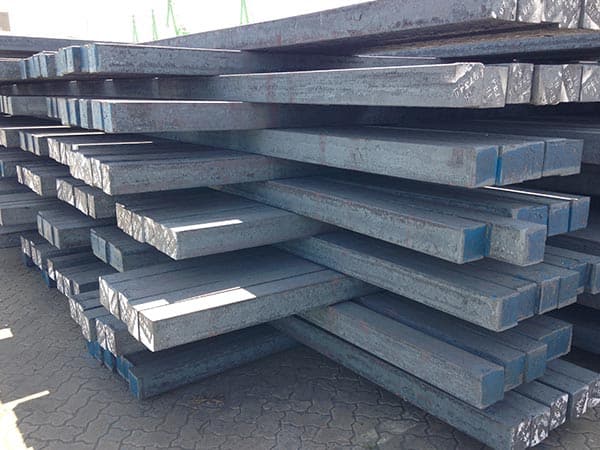
Understanding the Fundamental Shift from Mild Steel to 1.0982
In the evolving landscape of structural engineering and heavy machinery manufacturing, the choice between traditional mild steel and advanced high-strength low-alloy (HSLA) grades like 1.0982 (commonly known as S420MC) represents a critical decision. While mild steel has been the backbone of construction for decades, the introduction of thermomechanically rolled steels has redefined what is possible in terms of weight reduction, load-bearing capacity, and processing efficiency.
1.0982 is a hot-rolled steel grade governed by the EN 10149-2 standard. It is specifically designed for cold-forming applications where high yield strength and excellent weldability are paramount. In contrast, mild steel, such as S235JR or ASTM A36, is characterized by its lower carbon content and simpler manufacturing process, making it versatile but limited in high-stress environments.
The Science of Thermomechanical Rolling (TMCP)
The primary differentiator between 1.0982 and mild steel lies in the Thermomechanical Control Process (TMCP). Mild steel is typically produced through conventional hot rolling or normalizing, where the final properties are largely determined by the chemical composition and the cooling rate in air.
1.0982 undergoes a sophisticated rolling regime where temperature and deformation are strictly controlled. This process refines the grain structure to a microscopic level. By rolling at specific temperatures—often lower than those used for mild steel—and utilizing accelerated cooling, the steel achieves a fine-grained ferrite-pearlite or even bainitic structure. This grain refinement allows 1.0982 to achieve high strength without the need for high levels of carbon or expensive alloying elements like nickel or molybdenum.
Mechanical Properties: A Comparative Analysis
When comparing 1.0982 to mild steel, the most striking difference is the yield strength. Yield strength is the point at which a material begins to deform plastically. For a typical mild steel like S235, the minimum yield strength is 235 MPa. In contrast, 1.0982 offers a minimum yield strength of 420 MPa.
| Property | Mild Steel (S235JR) | 1.0982 (S420MC) |
|---|---|---|
| Minimum Yield Strength (MPa) | 235 | 420 |
| Tensile Strength (MPa) | 360 - 510 | 480 - 620 |
| Minimum Elongation (%) | ~24% | ~16% - 19% (depending on thickness) |
| Carbon Equivalent (CEV) | Higher (relative to strength) | Very Low |
This nearly twofold increase in yield strength allows engineers to use thinner sections of 1.0982 to support the same loads as thicker mild steel plates. This concept, known as lightweighting, is essential in the transport and automotive sectors to improve fuel efficiency and payload capacity.
Chemical Composition and Weldability
A common misconception is that higher strength leads to poorer weldability. This is true for many quenched and tempered steels, but not for 1.0982. Because 1.0982 achieves its strength through grain refinement (TMCP) rather than high carbon content, its Carbon Equivalent (CEV) remains remarkably low.
- Mild Steel: Often contains higher carbon to reach moderate strength levels, which can lead to hardness in the heat-affected zone (HAZ) during welding.
- 1.0982 Steel: Uses micro-alloying elements like Niobium (Nb), Vanadium (V), and Titanium (Ti) in very small quantities (usually <0.15% combined). These elements pin grain boundaries during rolling.
The low CEV of 1.0982 ensures that it can be welded using standard methods (MIG/MAG, MMA, Submerged Arc) without the intensive preheating requirements often associated with high-strength materials. However, users must be cautious about heat input; excessive heat can cause grain growth in the HAZ, locally reducing the strength benefits gained from the TMCP process.
Cold Forming and Fabrication Versatility
The "MC" in S420MC signifies that the material is optimized for cold forming. While mild steel is incredibly ductile and easy to bend, 1.0982 maintains a surprising amount of formability despite its high strength. It can be folded, pressed, and flanged into complex shapes without cracking, provided the minimum bend radii are respected.
For fabricators, this means 1.0982 can replace mild steel in components like chassis frames, crane arms, and cold-pressed profiles. The ability to form high-strength parts cold reduces energy consumption compared to hot-forming processes, further enhancing the material's economic profile.
Environmental Adaptability and Durability
In terms of environmental resistance, neither 1.0982 nor mild steel are inherently "stainless." Both require surface protection such as painting, powder coating, or galvanizing to prevent corrosion. However, the fine-grained structure of 1.0982 can offer slightly better resistance to certain types of stress corrosion cracking compared to the coarser grains of standard hot-rolled mild steel.
Furthermore, the impact toughness of 1.0982 is typically superior at lower temperatures. While mild steel (especially JR grades) might become brittle in cold climates, TMCP steels like 1.0982 are often tested for notch toughness at -20°C or -40°C, ensuring safety in Arctic or high-altitude applications.
Strategic Application Differences
The decision to utilize 1.0982 over mild steel is usually driven by the specific requirements of the end product. Mild steel remains the preferred choice for general construction, simple brackets, and non-load-bearing architectural elements where material cost per kilogram is the primary driver.
1.0982 excels in high-performance sectors:
- Automotive & Trucking: Longitudinal beams, cross members, and chassis components where reducing curb weight is vital.
- Lifting & Excavation: Telescopic cranes, excavator buckets, and agricultural machinery where high strength-to-weight ratios allow for larger reaches and higher capacities.
- Storage Systems: High-bay racking and silos where the structural integrity of thin-walled profiles is necessary.
Economic Impact: Cost vs. Value
On a per-ton basis, 1.0982 is more expensive than mild steel due to the specialized TMCP processing and micro-alloying elements. However, looking at the total cost of ownership and fabrication, 1.0982 often proves more economical. By using 30% to 40% less steel to achieve the same structural performance, manufacturers save on material volume, shipping costs, and welding consumables (due to thinner joints). In the long run, the increased payload and reduced fuel consumption of the final machine provide a significant competitive advantage in the global market.
Selecting 1.0982 over mild steel is not merely a material swap; it is an engineering upgrade that leverages modern metallurgical techniques to achieve superior performance, safety, and efficiency.
Leave a message