
What is the BBNSteel company en 10149-2 astm equivalent price
Discover the comprehensive guide to EN 10149-2 steel grades, their ASTM equivalents, and pricing factors at BBNSteel. Learn about S355MC, S700MC, and high-strength low-alloy steel applications.
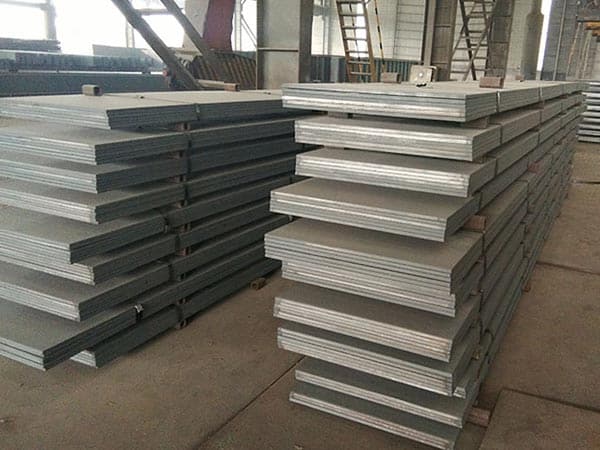
Understanding EN 10149-2 and Its Global Significance
The EN 10149-2 standard represents a critical benchmark in the production of hot-rolled high yield strength steels specifically designed for cold forming. These steels are manufactured using the Thermomechanically Rolled (TMCP) process, which allows for a unique combination of high strength, excellent toughness, and superior weldability. For global procurement officers and engineers, identifying the right material often involves comparing European standards with American counterparts, specifically those governed by ASTM. At BBNSteel, we recognize that understanding the nuances between these specifications is the first step in optimizing both performance and cost-effectiveness.
The "MC" suffix in grades like S355MC or S700MC denotes that the steel is thermomechanically rolled and intended for cold forming. This metallurgical approach refines the grain structure far more effectively than traditional normalizing, resulting in a material that can withstand significant deformation without cracking. This makes it a preferred choice for industries where weight reduction is paramount without compromising structural integrity.
The Search for ASTM Equivalents to EN 10149-2
Finding an exact 1:1 match between EN 10149-2 and ASTM standards can be complex because the testing methodologies and chemical requirements often differ slightly. However, for most engineering applications, functional equivalents are well-established. ASTM A1011 and ASTM A656 are the primary standards used when seeking alternatives to the EN 10149-2 series.
For instance, S315MC and S355MC are frequently cross-referenced with ASTM A1011 HSLAS Class 1 (High-Strength Low-Alloy Steel). As we move up the strength scale, S700MC—one of the most popular high-strength grades—finds its closest equivalent in ASTM A656 Grade 100 or certain proprietary high-strength grades from leading American mills. Below is a detailed comparison table to assist in your selection process:
| EN 10149-2 Grade | Yield Strength (min MPa) | ASTM Equivalent (Approximate) | Common Applications |
|---|---|---|---|
| S315MC | 315 | ASTM A1011 HSLAS Gr 45 | Automotive frames, brackets |
| S355MC | 355 | ASTM A1011 HSLAS Gr 50 Cl 1 | Truck chassis, structural parts |
| S420MC | 420 | ASTM A1011 HSLAS Gr 60 | Heavy machinery components |
| S500MC | 500 | ASTM A1011 HSLAS Gr 70 / A656 Gr 70 | Crane booms, telescopic arms |
| S700MC | 700 | ASTM A656 Grade 100 | High-load structural engineering |
Metallurgical Excellence: The TMCP Advantage
The price of EN 10149-2 steels at BBNSteel is inherently linked to the Thermomechanically Controlled Processing (TMCP). Unlike traditional hot rolling, TMCP involves precise control of the temperature and the deformation during the rolling process. This technique allows for a lower carbon equivalent (CEV), which significantly enhances the weldability of the steel. In practical terms, this means that even the ultra-high-strength S700MC can be welded using standard procedures without the extensive pre-heating often required for traditional high-strength steels.
Furthermore, the fine-grained microstructure achieved through TMCP provides exceptional impact toughness at low temperatures. This is a vital attribute for equipment operating in arctic conditions or high-altitude environments. When evaluating the price, it is essential to consider these long-term benefits: reduced welding costs, lower risk of brittle fracture, and the ability to use thinner sections to achieve the same structural strength, which ultimately reduces the total weight of the final product.
Factors Influencing the BBNSteel EN 10149-2 Price
The pricing of high-yield steel is dynamic and influenced by several global and local factors. At BBNSteel, we strive for transparency in our pricing models. Several key variables dictate the current market rate for EN 10149-2 grades and their ASTM equivalents:
- Alloying Elements: These steels rely on micro-alloying elements such as Niobium (Nb), Titanium (Ti), and Vanadium (V). Fluctuations in the rare earth and ferro-alloy markets directly impact the base cost of the slabs.
- Processing Complexity: Higher grades like S600MC and S700MC require more stringent control during the TMCP phase, leading to higher manufacturing costs compared to S355MC.
- Market Demand: The surge in demand from the renewable energy sector (wind turbine components) and the automotive industry (lightweighting initiatives) can tighten supply and affect lead times and pricing.
- Logistics and Energy Costs: As a global supplier, BBNSteel monitors freight rates and energy surcharges closely to provide the most competitive delivered price to our international clients.
- Surface Quality and Tolerances: Requirements for specific surface finishes or tighter-than-standard thickness tolerances will influence the final quotation.
Processing Performance and Cold Forming Capabilities
One of the standout features of the EN 10149-2 series is its exceptional cold formability. Manufacturers of complex shapes, such as U-beams, C-channels, and intricate automotive components, find that these steels behave predictably during bending and pressing. The minimum recommended inside bend radius is remarkably tight for the strength levels offered. For example, S355MC can often be bent at a radius equal to 0.5 times the thickness, while even S700MC maintains a manageable bend radius of approximately 1.0 to 1.5 times the thickness, depending on the orientation.
This ductility is not accidental. It is the result of strict control over inclusion morphology and grain size. By choosing BBNSteel’s EN 10149-2 compliant materials, fabricators can reduce scrap rates and minimize tool wear, which are hidden costs often overlooked when simply comparing the per-ton price of raw steel.
Industrial Applications: Where Strength Meets Efficiency
The transition from traditional structural steels to EN 10149-2 high-yield grades is visible across various high-performance sectors. In the transportation industry, the use of S700MC in trailer chassis allows for a significant increase in payload capacity by reducing the dead weight of the vehicle. This not only improves fuel efficiency but also reduces the carbon footprint of the logistics operation.
In the construction and lifting equipment sector, the high strength-to-weight ratio of S500MC and S700MC is indispensable. Modern mobile cranes require booms that are both incredibly strong and light enough to be transported on public roads. Similarly, in the agricultural machinery sector, parts such as plow shares and harvester frames benefit from the toughness and fatigue resistance of these thermomechanically rolled steels, ensuring a longer service life under grueling field conditions.
Why Choose BBNSteel for Your High-Yield Steel Needs?
BBNSteel is more than just a supplier; we are a strategic partner in your supply chain. When you inquire about the EN 10149-2 ASTM equivalent price, you are tapping into a wealth of technical expertise and logistical capability. We maintain a robust inventory of various grades, from S315MC to S700MC, ensuring that we can meet both small-scale prototype needs and large-scale production runs.
Our value-added services include precision laser cutting, flame cutting, and custom bending, allowing you to receive semi-finished components ready for assembly. We provide full MTC (Mill Test Certificate) documentation according to EN 10204 3.1 or 3.2, ensuring complete traceability and compliance with your project's quality standards. By integrating material sourcing with processing, BBNSteel helps you streamline your operations and reduce overall procurement costs.
Environmental Adaptability and Sustainability
In today's industrial climate, the environmental impact of materials is a major consideration. The high-strength steels of EN 10149-2 contribute directly to sustainability. By enabling the design of lighter structures, these steels reduce the total amount of raw material required for a project. Furthermore, the TMCP process itself is often more energy-efficient than traditional quenching and tempering cycles, as it utilizes the heat from the rolling process to achieve the desired properties.
The durability of these steels also means that products have a longer lifecycle, reducing the frequency of replacement and the associated environmental costs. Whether you are building infrastructure in a coastal environment or manufacturing machinery for heavy mining, the corrosion resistance (when properly coated) and fatigue strength of our EN 10149-2 products ensure reliable performance over decades.
Getting a Competitive Quote from BBNSteel
To obtain the most accurate and competitive price for EN 10149-2 or its ASTM equivalents, we recommend providing detailed specifications including the required grade, dimensions (thickness, width, length), quantity, and any specific processing requirements. Our team of experts is ready to analyze your needs and provide a quotation that reflects the current market dynamics while offering the best value for your investment.
By focusing on the synergy between material science and market intelligence, BBNSteel ensures that your project benefits from the highest quality steel at a price point that supports your bottom line. Contact us today to discuss how our high-yield steel solutions can elevate your next engineering challenge.
Leave a message