
What is the top ten suppliers of 1.8976 special steel for automobiles in Nigeria
A comprehensive guide to 1.8976 (S700MC) high-strength steel suppliers in Nigeria, detailing material properties, processing advantages, and procurement strategies for the automotive sector.
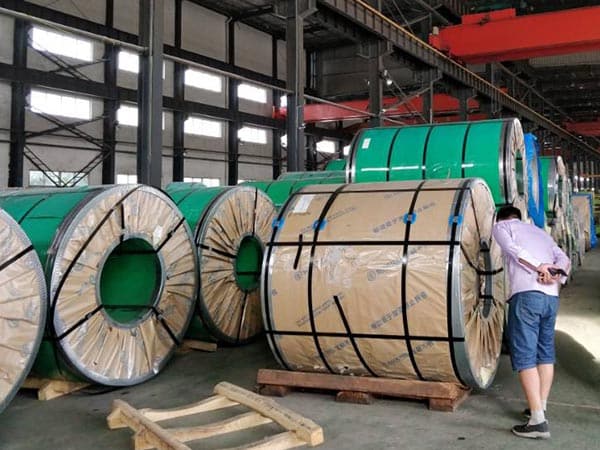
The Technical Superiority of 1.8976 Steel in Modern Automotive Engineering
1.8976 steel, widely recognized under the EN 10149-2 standard as S700MC, represents the pinnacle of thermomechanically rolled high-strength steel. For Nigerian automotive manufacturers and heavy-duty trailer builders, this material is not merely a choice but a necessity for achieving structural integrity while minimizing curb weight. The Nigerian automotive sector is undergoing a transformation, shifting from simple assembly to more complex fabrication, which demands materials that offer both high yield strength and exceptional cold-forming capabilities.
The 1.8976 grade is engineered through a controlled rolling process that refines the grain structure. This results in a material that can withstand extreme mechanical stresses while remaining ductile enough for complex bending and folding. In the context of Nigeria's diverse terrain and demanding logistics environment, vehicles built with 1.8976 steel exhibit superior durability and fuel efficiency due to the significant weight reduction achieved compared to traditional structural steels.
Chemical Composition and Metallurgical Excellence
The performance of 1.8976 is rooted in its precise chemical balance. Unlike conventional steels, it utilizes micro-alloying elements such as Niobium (Nb), Vanadium (V), and Titanium (Ti). These elements facilitate grain refinement and precipitation hardening during the thermomechanical rolling process.
| Element | Max Content (%) | Role in 1.8976 Performance |
|---|---|---|
| Carbon (C) | 0.12 | Ensures excellent weldability and prevents brittleness. |
| Manganese (Mn) | 2.10 | Increases strength and improves hardenability. |
| Silicon (Si) | 0.60 | Acts as a deoxidizer and enhances yield strength. |
| Niobium (Nb) | 0.09 | Primary grain refiner for high toughness. |
| Titanium (Ti) | 0.22 | Stabilizes the structure at high temperatures during welding. |
This low carbon equivalent (CEV) is particularly beneficial for Nigerian workshops where advanced climate-controlled welding environments might be limited. The material allows for high-quality joints without the extensive pre-heating requirements often associated with high-strength alloys.
Mechanical Properties and Structural Integrity
The defining characteristic of 1.8976 is its yield strength, which is a minimum of 700 MPa. This allows engineers to use thinner plates to carry the same loads as thicker, heavier S355 or S235 grades. Within the Nigerian transport industry, where overloading is a common challenge, the high tensile strength (750-950 MPa) provides a critical safety margin.
- Yield Strength (ReH): Minimum 700 MPa, providing high resistance to permanent deformation.
- Tensile Strength (Rm): 750-950 MPa, ensuring the material can handle extreme pulling forces.
- Elongation (A80): Minimum 10-12%, allowing for significant deformation before fracture.
- Impact Toughness: Excellent performance at low temperatures, ensuring safety in various climatic conditions.
These properties make 1.8976 the ideal candidate for longitudinal beams, cross members, and chassis components in heavy-duty trucks and trailers operating across the Lagos-Kano economic corridor.
Processing Advantages: Cold Forming and Welding
One of the primary reasons 1.8976 is sought after by Nigerian fabricators is its ease of processing. Despite its high strength, the material behaves exceptionally well during cold forming. This is critical for manufacturing U-beams and complex chassis brackets without the risk of cracking.
Cold Bending: The fine-grained structure allows for tight bending radii. For plates under 3mm, the minimum bending radius is often as low as 1.0 times the thickness. This flexibility enables the design of more aerodynamic and structurally efficient vehicle components.
Welding Performance: 1.8976 is compatible with all standard welding processes, including MAG (Metal Active Gas), TIG (Tungsten Inert Gas), and Laser welding. Because of its low alloy content, the heat-affected zone (HAZ) remains stable, preserving the mechanical integrity of the joint. This is a vital advantage for Nigerian assembly plants like Innoson Vehicle Manufacturing (IVM) and other emerging local players.
Top Supply Channels for 1.8976 Steel in Nigeria
Identifying the top ten suppliers for 1.8976 in Nigeria involves looking at both global steel giants with local footprints and specialized regional distributors. The supply chain for high-strength special steel is specialized, requiring suppliers who can provide mill test certificates (MTC) and technical support.
- Global Steel Mills (Direct/Tier 1): Companies like Thyssenkrupp, ArcelorMittal, and SSAB provide the bulk of high-strength S700MC (1.8976) through their international distribution arms.
- Specialized Importers in Lagos: Major industrial hubs in Apapa and Ikeja house stockists who focus on European-standard structural steels.
- Steel Trading Houses in Port Harcourt: Serving the oil and gas and heavy transport sectors, these suppliers often carry high-strength plates for specialized equipment trailers.
- Regional Distributors: Companies with networks across West Africa often facilitate the movement of 1.8976 from European or Asian mills into the Nigerian market.
- Automotive OEM Supply Chains: Large-scale vehicle assemblers often have direct procurement contracts with mills like Baosteel or POSCO, which produce equivalent grades to 1.8976.
When sourcing 1.8976 in Nigeria, it is imperative to verify the EN 10149-2 certification. Given the prevalence of sub-standard materials in some markets, working with suppliers who offer full traceability is non-negotiable for automotive safety.
Environmental Adaptability in the Nigerian Climate
Nigeria's climate ranges from the humid coastal regions of the south to the arid, dusty environments of the north. 1.8976 steel performs admirably across these zones. Its fine-grained structure provides a degree of natural resistance to atmospheric corrosion compared to coarser-grained mild steels. However, for automotive applications, proper surface treatment remains essential.
The material's surface is typically smooth, resulting from the thermomechanical process, which makes it an excellent substrate for modern coating technologies like Cathodic Electro-Deposition (CED) or high-performance powder coatings. This ensures that truck chassis operating in the salt-laden air of Lagos or the abrasive dust of the Sahel remain protected against premature rust and structural fatigue.
Expanding Applications Beyond the Chassis
While the chassis is the primary application for 1.8976, its utility is expanding into other areas of the Nigerian industrial landscape. The drive for domestic content in manufacturing is pushing engineers to utilize this steel in:
- Crane Arms and Lifting Equipment: Where high strength-to-weight ratios are critical for stability and reach.
- Agricultural Machinery: For plows and harvesters that must withstand high impact and abrasion in tough soil conditions.
- Storage Tank Supports: Providing structural stability for heavy industrial tanks with minimal material usage.
- Waste Management Vehicles: Reducing the weight of compactor bodies to increase payload capacity.
The adoption of 1.8976 is a clear indicator of the technological maturation of the Nigerian engineering sector. By utilizing materials that meet international standards, local manufacturers can compete with imported vehicles and equipment, fostering a robust domestic industrial base.
Strategic Procurement for Nigerian Manufacturers
Procuring 1.8976 special steel requires a strategic approach. Buyers must look beyond the price per ton and consider the total cost of ownership. The weight savings offered by S700MC can reduce material consumption by up to 30% compared to S355, which often offsets the higher cost per unit of the special steel.
Establishing relationships with suppliers who offer technical consultancy is also beneficial. The best suppliers in the Nigerian market are those who can advise on the optimal bending parameters and welding consumables to ensure the 1.8976 steel maintains its properties throughout the fabrication process. As Nigeria continues to invest in its automotive and infrastructure sectors, the demand for 1.8976 will only grow, making the selection of a reliable, quality-focused supplier a cornerstone of manufacturing success.
Leave a message