
What is the en 10149-2 pdf free download price export to India
Comprehensive guide on EN 10149-2 high yield strength steels for cold forming, covering technical specifications, mechanical properties, and market dynamics for export to India.
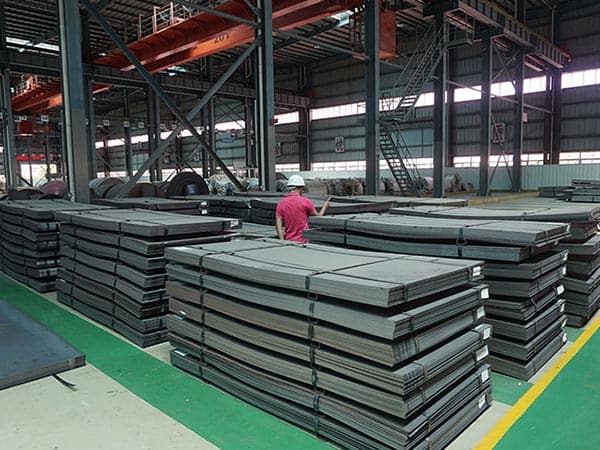
Understanding the Core of EN 10149-2 Technical Specifications
EN 10149-2 represents the European standard for hot-rolled flat products made of high yield strength steels specifically designed for cold forming. These steels are produced through thermomechanical rolling, a process that meticulously controls the temperature and deformation during rolling to achieve a fine-grained microstructure. This microstructural refinement is the secret behind the material's exceptional combination of high strength, toughness, and excellent formability. Unlike traditional normalized steels, EN 10149-2 grades offer a higher strength-to-weight ratio, making them indispensable for modern engineering where weight reduction is a critical KPI.
The standard covers several grades, ranging from S315MC to S700MC. The 'S' denotes structural steel, the number represents the minimum yield strength in MPa, and 'MC' indicates thermomechanically rolled (M) steel suitable for cold forming (C). When sourcing these materials for the Indian market, engineers often look for the EN 10149-2 pdf free download to verify the specific tolerances and chemical limits required for their projects.
Mechanical Properties and Chemical Composition Analysis
The performance of EN 10149-2 steel is dictated by its precise chemical balance. These steels are typically low-carbon and micro-alloyed with elements such as Niobium (Nb), Titanium (Ti), and Vanadium (V). These elements facilitate grain refinement and precipitation hardening without compromising weldability. Below is a detailed look at the mechanical requirements for the most common grades exported to India:
| Steel Grade | Min. Yield Strength (MPa) | Tensile Strength (MPa) | Min. Elongation (%) | Bending Radius (180°) |
|---|---|---|---|---|
| S315MC | 315 | 390-510 | 20-24 | 0.25t |
| S355MC | 355 | 430-550 | 19-23 | 0.5t |
| S420MC | 420 | 480-620 | 16-19 | 0.5t |
| S500MC | 500 | 550-700 | 12-14 | 1.0t |
| S700MC | 700 | 750-950 | 10-12 | 1.5t |
One of the standout features of S700MC is its ability to maintain high ductility despite its immense strength. This allows for complex bending and folding operations in the manufacturing of truck chassis, crane arms, and heavy-duty machinery components. The low carbon equivalent (CEV) ensures that these steels can be welded using standard methods like MIG/MAG and submerged arc welding without the need for extensive pre-heating.
Advanced Processing Performance: Cold Forming and Welding
The "MC" designation is not just a label; it defines the material's behavior during fabrication. Cold forming is the primary processing method for EN 10149-2 steels. Due to the fine-grained structure, the material exhibits minimal springback compared to conventional high-strength steels. This predictability is vital for automated production lines in the Indian automotive sector, where precision is paramount.
- Excellent Bendability: Even the highest grades like S700MC can be bent to tight radii, provided the bending axis is transverse to the rolling direction.
- Superior Weldability: The low alloy content reduces the risk of cold cracking in the heat-affected zone (HAZ), maintaining the structural integrity of the joint.
- Laser Cutting Efficiency: The clean surface and consistent thickness of EN 10149-2 plates make them ideal for high-speed laser cutting, resulting in smooth edges and minimal dross.
For manufacturers in India, transitioning from standard IS 2062 grades to EN 10149-2 can lead to a weight reduction of up to 30% in structural components. This directly translates to lower fuel consumption for transport vehicles and higher payload capacities for logistics providers.
Exporting EN 10149-2 to India: Regulatory and Market Dynamics
Exporting steel to India involves navigating a complex landscape of quality standards and logistics. The price export to India is influenced by several factors, including global iron ore costs, freight rates, and Indian import duties. Furthermore, the Bureau of Indian Standards (BIS) plays a crucial role. While EN 10149-2 is a European standard, many Indian buyers require the material to be dual-certified or equivalent to Indian standards like IS 11587 for high-strength cold-forming steels.
Logistics for shipping to major Indian ports like Nhava Sheva (Mumbai), Chennai, or Mundra require careful planning. High-strength steels are sensitive to moisture; therefore, proper seaworthy packaging, including VCI (Volatile Corrosion Inhibitor) paper and steel strapping, is mandatory to prevent surface oxidation during the long sea transit. Buyers should also consider the EN 10149-2 pdf free download of the Mill Test Certificate (MTC) to ensure traceability and compliance with EN 10204 3.1 or 3.2 standards.
Environmental Adaptability and Industry Applications
EN 10149-2 steels are engineered to perform in diverse environments. In the context of India's varied climate—from the humid coastal regions to the dry heat of the interior—these steels offer reliable service lives. Their high yield strength allows for thinner sections, which can be more easily protected by advanced coating systems, further enhancing corrosion resistance.
Key industries benefiting from these materials include:
- Automotive: Light-weighting of truck frames, cross members, and bumper reinforcements.
- Lifting and Excavation: Telescopic booms for cranes, excavator buckets, and agricultural machinery where high stress is common.
- Renewable Energy: Support structures for solar panels and wind turbine components that require high fatigue resistance.
- Infrastructure: High-strength cold-formed sections for modular building and bridge components.
The demand for S500MC and S700MC in India is seeing a sharp increase as the government pushes for modernized infrastructure and safer transport standards. The ability to source these materials at a competitive price while ensuring high quality is the primary challenge for Indian procurement officers.
Pricing Factors and Sourcing Strategies
The price of EN 10149-2 steel is not static. It fluctuates based on the cost of micro-alloying elements like Niobium and Vanadium. Additionally, the thermomechanical rolling process requires specialized rolling mills, which limits the number of global manufacturers capable of producing the highest grades. When requesting a quote for export to India, buyers should specify the exact dimensions, required tolerances (e.g., EN 10051), and any additional testing like Charpy V-notch impact tests at -20°C or -40°C.
While many websites offer EN 10149-2 pdf free download, it is essential to consult the official standard or a reputable supplier to ensure you have the latest version. Technical documentation is the foundation of a successful export-import relationship, ensuring that the material delivered matches the engineering requirements of the project. Strategic sourcing involves looking beyond the initial per-ton price and considering the total cost of ownership, including fabrication savings and the long-term benefits of using high-performance steel.
Leave a message