
What problems should be noticed in ZQS700L 1.2mm coil cutting operation
A technical guide on cutting 1.2mm ZQS700L high-strength steel coils, covering mechanical properties, shearing precision, tool wear, and edge quality control for automotive applications.
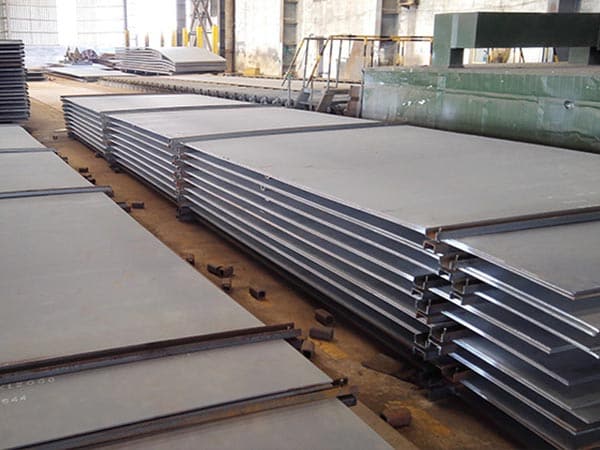
Technical Characteristics of ZQS700L High-Strength Steel
ZQS700L is a high-strength low-alloy (HSLA) steel specifically designed for automotive structural components where weight reduction and high load-bearing capacity are critical. With a minimum yield strength of 700 MPa, this material offers an exceptional strength-to-weight ratio. However, processing a 1.2mm thin-gauge coil of ZQS700L presents unique challenges compared to standard mild steels. The high yield-to-tensile ratio means the material resists deformation until a high threshold is reached, leading to significant springback and high energy requirements during the cutting phase.
When dealing with 1.2mm thickness, the material is relatively flexible yet extremely tough. This combination requires precise control over the cutting machinery to prevent buckling or edge deformation. Understanding the chemical composition—typically featuring micro-alloying elements like Niobium (Nb), Vanadium (V), and Titanium (Ti)—is essential because these elements contribute to the fine-grained structure that gives ZQS700L its strength but also increases the abrasiveness of the steel against cutting tools.
Mechanical Property Impacts on Cutting Operations
The mechanical properties of ZQS700L directly dictate the behavior of the metal during shearing, slitting, or laser cutting. For a 1.2mm coil, the following properties are paramount:
| Property | Typical Value (ZQS700L) | Impact on Cutting |
|---|---|---|
| Yield Strength | ≥ 700 MPa | Requires higher shear force and causes significant springback. |
| Tensile Strength | 750 - 950 MPa | Determines the point of material fracture during shearing. |
| Elongation (A80mm) | ≥ 12% | Affects the depth of the shear zone and burr formation. |
| Hardness | Approx. 220-260 HV | Accelerates tool wear, requiring specialized blade materials. |
Because the yield strength is so high, the "elastic zone" of the material is much wider than that of DC01 or S235JR. During a cutting operation, the 1.2mm sheet will attempt to return to its original shape more aggressively, which can lead to dimensional inaccuracies if the machine setup does not account for this elastic recovery.
Optimizing Shearing and Slitting Clearance
For 1.2mm ZQS700L, the blade clearance is perhaps the most critical factor in achieving a clean edge. Unlike softer steels where a 5-8% clearance of the material thickness might suffice, high-strength steel requires a more generous yet precise gap to ensure a clean fracture without excessive tool stress.
- Recommended Clearance: For 1.2mm ZQS700L, a clearance of 12% to 15% of the thickness (0.14mm to 0.18mm) is generally recommended.
- Edge Quality: If the clearance is too tight, the secondary shear occurs, creating a "double-cut" appearance and increasing tool heat. If it is too wide, the material will pull into the gap, resulting in a large rollover and heavy burrs.
- Burr Height Control: High-strength steel tends to produce harder, sharper burrs. Maintaining sharp blade edges is mandatory to keep burr height below 10% of the material thickness (0.12mm).
Given the 1.2mm gauge, the risk of the sheet "diving" between the blades is high if the slitter arbor or shear bed is not perfectly aligned. Vertical and horizontal alignment must be checked using precision feeler gauges before every production run.
Tooling Material and Maintenance Strategies
The abrasive nature of ZQS700L's micro-alloyed structure means that standard D2 (Cr12MoV) tool steel might see rapid degradation. When cutting 1.2mm coils at high speeds, the friction generates localized heat that can soften the cutting edge.
Advanced Tooling Options: Using powder metallurgy (PM) steels or high-speed steels (HSS) like M2 or M4 can significantly extend the life of the blades. These materials maintain their hardness at higher temperatures and offer better resistance to the chipping often caused by the high impact forces of 700MPa steel.
Lubrication: Even though 1.2mm is thin, applying a light, high-pressure vanishing oil can reduce friction at the shear point. This prevents the "welding" of fine steel particles to the blade, which is a common cause of surface scratches on the finished coil.
Laser Cutting Challenges for 1.2mm ZQS700L
When moving from mechanical shearing to laser cutting, the thermal properties of ZQS700L come into play. The 1.2mm thickness is ideal for high-speed fiber laser cutting, but several problems must be addressed:
Heat Affected Zone (HAZ): Although the HAZ is narrow in 1.2mm material, the high alloy content can lead to localized hardening at the cut edge. This can be problematic if the part requires subsequent bending or flanging, as the hardened edge may crack.
Gas Selection: Nitrogen is the preferred assist gas for ZQS700L to ensure an oxide-free edge. Using Oxygen might speed up the process slightly but will leave a carbonized layer that interferes with welding and paint adhesion. For 1.2mm, a gas pressure of 10-14 bar is typically sufficient to blow away the molten pool cleanly.
Cutting Speed: Because ZQS700L has a higher density of alloying elements, the optimal cutting speed may be 5-10% slower than that used for standard cold-rolled steel of the same thickness to ensure a perfectly smooth "mirror" finish on the cut edge.
Flatness and Internal Stress Management
Coils of ZQS700L often carry significant internal stresses from the hot-rolling and subsequent cooling processes. When a 1.2mm coil is unrolled and cut, these stresses are released, which can manifest as coil set, crossbow, or edge wave.
Leveling Requirements: A high-performance precision leveler is required before the cutting station. For 700MPa steel, the leveler must have smaller diameter rolls and tighter roll spacing to effectively "work" the material beyond its yield point and neutralize internal stresses. If the 1.2mm sheet is not properly leveled, the cut pieces will bow immediately after being sheared, making them unusable for automated assembly lines.
Feeding Stability: Due to the high strength, the 1.2mm sheet is quite stiff longitudinally but can be prone to buckling if pushed too hard through a feeder. Using a pull-type feeding system or ensuring the guide rails are perfectly parallel is vital to prevent "snaking" during the cutting process.
Surface Protection and Handling
ZQS700L is frequently used in visible structural parts or components that require high-quality coating. Scratches on a 1.2mm surface can act as stress concentrators, potentially leading to premature fatigue failure in high-vibration automotive environments.
- Roll Material: Use polyurethane-coated entry and exit rolls to prevent metal-to-metal contact.
- Stacking: Because 1.2mm ZQS700L is light but the edges are sharp, automated stacking systems should use vacuum lifters or magnetic grippers rather than sliding the sheets, which can cause surface galling.
- Environmental Sensitivity: While ZQS700L has decent atmospheric corrosion resistance, the freshly cut edges are susceptible to flash rusting. Maintaining a controlled humidity in the processing facility is necessary.
Application Integration: Why Precision Matters
The demand for ZQS700L in the 1.2mm gauge is driven by the electric vehicle (EV) industry and the push for lightweighting. Components such as seat frames, bumper brackets, and chassis reinforcements rely on the integrity of the cut edge. A micro-crack initiated during a poor cutting operation can propagate during the vehicle's lifecycle. Therefore, the cutting operation is not merely a separation process but a critical manufacturing step that defines the fatigue life of the final component.
Operators must be trained to recognize the sound of a "healthy" cut. The high-pitched snap of 700MPa steel being sheared is distinct; any change in this sound often indicates blade dulling or a shift in clearance. Monitoring the amperage draw on the shear motor can also provide early warning signs of material inconsistencies or tool degradation.
Leave a message