
Will en 10149-2 pdf rust?
Comprehensive analysis of EN 10149-2 steels including S315MC to S700MC. Learn about their chemical composition, mechanical performance, corrosion risks, and industrial protection methods.
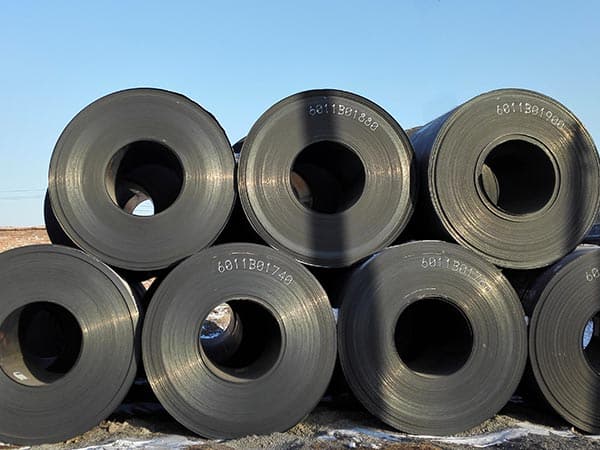
Understanding the Nature of EN 10149-2 Steels
When engineers and procurement specialists ask "Will EN 10149-2 steel rust?", they are diving into the fundamental relationship between metallurgy and environmental exposure. EN 10149-2 refers to the European standard for hot-rolled flat products made of high yield strength steels for cold forming, specifically those produced through thermomechanical rolling. These steels, commonly known by grades such as S315MC, S355MC, S420MC, S460MC, S500MC, S550MC, S600MC, and S700MC, are designed for strength and weight reduction, not inherent corrosion resistance.
To answer the primary question: Yes, EN 10149-2 steels will rust if left unprotected. Because they are low-alloy carbon steels, they lack the high chromium content (typically >10.5%) found in stainless steels that creates a self-healing passive layer. However, the way these steels rust and how they can be protected depends heavily on their micro-alloyed structure and the thermomechanical rolling process (TMCP) used during manufacturing.
Chemical Composition and Its Impact on Oxidation
The chemical makeup of EN 10149-2 steels is optimized for weldability and formability. Unlike standard structural steels (like S355J2), MC grades utilize micro-alloying elements such as Niobium (Nb), Vanadium (V), and Titanium (Ti). While these elements significantly refine the grain size and increase yield strength, they do not provide a significant barrier against atmospheric corrosion.
| Grade | C (max %) | Mn (max %) | Si (max %) | P (max %) | S (max %) | Al (min %) |
|---|---|---|---|---|---|---|
| S315MC | 0.12 | 1.30 | 0.50 | 0.025 | 0.020 | 0.015 |
| S420MC | 0.12 | 1.50 | 0.50 | 0.025 | 0.015 | 0.015 |
| S700MC | 0.12 | 2.10 | 0.60 | 0.025 | 0.015 | 0.015 |
The low carbon content in these steels actually helps in creating a more uniform surface, which can slightly improve the adherence of protective coatings compared to higher carbon alternatives. However, the presence of Manganese and Silicon does not inhibit the formation of iron oxide (rust) when the surface is exposed to moisture and oxygen.
Mechanical Performance and the TMCP Advantage
The true value of EN 10149-2 lies in its mechanical properties. The "M" in the grade designation indicates Thermomechanical Rolling. This process involves controlled rolling at specific temperatures and cooling rates to achieve a fine-grained ferrite-pearlite or bainitic microstructure. This allows the steel to reach incredibly high yield strengths (up to 700 MPa) without the brittleness typically associated with high-strength materials.
- High Yield Strength: Enables the design of lighter components by using thinner sections without compromising structural integrity.
- Superior Ductility: Despite their strength, S700MC and similar grades maintain excellent elongation properties, allowing for tight bending radii.
- Impact Toughness: These steels are often tested for impact energy at low temperatures (e.g., -20°C or -40°C), making them suitable for harsh climates.
Corrosion Mechanisms in Different Environments
The rate at which EN 10149-2 steel rusts is determined by the environment. In dry indoor settings, a stable oxide layer might form slowly. However, in industrial or coastal environments, the process accelerates:
1. Atmospheric Corrosion: In the presence of humidity, the iron atoms lose electrons to oxygen, forming Fe2O3 (red rust). Because the grain structure of MC steel is so fine, the rust layer can sometimes appear more uniform than on traditional hot-rolled plates, but it remains porous and non-protective.
2. Galvanic Corrosion: If EN 10149-2 components are bolted to more noble metals (like stainless steel or copper) in a moist environment, the MC steel will act as the anode and corrode even faster.
3. Stress Corrosion Cracking (SCC): While rare in standard atmospheric conditions, high-strength steels like S700MC can be susceptible to SCC if exposed to specific corrosive media while under high tensile stress. Proper design and stress relief are critical.
Processing Performance: Bending, Cutting, and Welding
One reason EN 10149-2 is so popular is its ease of processing. For manufacturers worried about rust, the surface condition after processing is vital. These steels are typically delivered in a pickled and oiled condition or with a thin mill scale.
Cold Forming: The "C" designation guarantees that the steel is suitable for cold forming. When bending these steels, the surface remains smooth, which is essential for subsequent painting or galvanizing. Cracks during bending are a primary site for localized corrosion, but the high ductility of EN 10149-2 minimizes this risk.
Laser Cutting: The clean chemical composition and low silicon levels (in some variants) make these steels ideal for high-speed laser cutting. A clean cut edge is easier to coat, ensuring that rust doesn't start at the edges of the part.
Welding: Because of the low carbon equivalent (CEV), these steels are exceptionally weldable. However, the heat-affected zone (HAZ) can see a slight reduction in strength. From a corrosion perspective, welds must be properly cleaned to remove slag and oxidation, as these are the first places rust will take hold.
Strategies to Prevent Rusting of EN 10149-2
Since EN 10149-2 is not rust-proof, surface treatment is mandatory for most applications. Several methods are effective:
- Hot-Dip Galvanizing: Providing a zinc coating is the most robust way to prevent rust. However, for high-strength steels like S700MC, one must be cautious of hydrogen embrittlement during the pickling phase of galvanizing.
- Painting and Powder Coating: A high-quality primer followed by a topcoat works well. The fine surface finish of MC steels provides excellent adhesion for liquid paints.
- Zinc-Rich Primers: These provide cathodic protection similar to galvanizing but can be applied like paint.
- Oiling: For temporary protection during transport and storage, the steel is often coated with a thin layer of rust-preventative oil.
Expanding Applications Across Industries
The demand for EN 10149-2 steels continues to grow as industries seek to optimize energy efficiency through weight reduction. By replacing standard S355J2 with S700MC, manufacturers can often reduce weight by 30-40%.
Automotive and Transportation: Used extensively in truck chassis, cross members, and cold-pressed parts. Here, the steel is almost always e-coated or painted to prevent rust from road salt and moisture.
Lifting and Handling: Crane booms and telescopic arms utilize the high strength of S700MC. These components are subjected to extreme weather, requiring high-performance marine-grade paint systems.
Agriculture: Trailers and tilling equipment benefit from the abrasion resistance and strength of these steels, though they require thick coatings to withstand the corrosive nature of fertilizers and soil moisture.
Construction: Light-gauge steel framing and cold-formed sections use EN 10149-2 for structural efficiency. In these cases, the steel is often used in interior spaces or protected by the building envelope.
Technical Comparison: EN 10149-2 vs. Standard Structural Steel
| Feature | EN 10149-2 (e.g., S500MC) | EN 10025-2 (e.g., S355J2) |
|---|---|---|
| Processing | Thermomechanically Rolled | As Rolled / Normalized | Formability | Excellent for cold folding | Limited in higher grades | Weight Reduction | High Potential | Standard | Rust Resistance | Low (Requires coating) | Low (Requires coating) | Weldability | Excellent (Low CEV) | Good |
While both will rust, the EN 10149-2 series provides a much better strength-to-weight ratio and better behavior during fabrication. The myth that "stronger steel resists rust better" is false; the rust rate is nearly identical, making the protective strategy a critical part of the engineering design phase.
Final Considerations for Specification
When downloading an EN 10149-2 PDF or technical datasheet, focus on the delivery condition. If the material is intended for an environment where moisture is present, ensure the specification includes surface preparation requirements such as blast cleaning (ISO 8501-1 Sa 2.5) before any coating is applied. Understanding that rust is an inevitable natural process for these steels allows for better planning, ensuring that the incredible mechanical benefits of S315MC through S700MC are preserved throughout the lifecycle of the product.
Leave a message