
Why s355mc en 10149-2 is not easy to rust
Discover the technical reasons why S355MC EN 10149-2 demonstrates superior surface stability compared to standard structural steels. This guide covers chemical composition, micro-alloying, and surface treatment benefits.
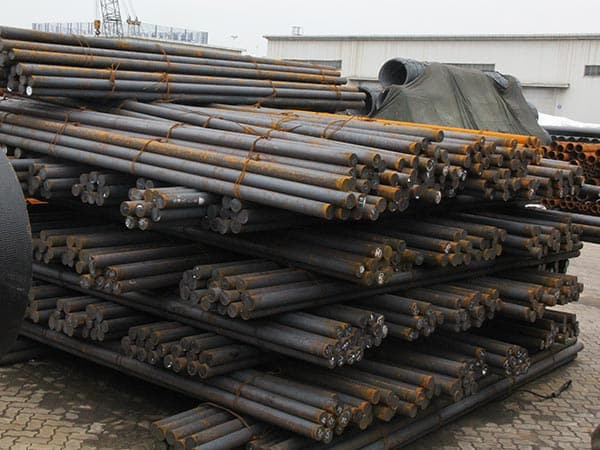
The Science Behind the Oxidation Resistance of S355MC Steel
When discussing high-strength low-alloy (HSLA) steels, S355MC under the EN 10149-2 standard is frequently praised for its exceptional balance of strength and formability. However, a common question among engineers and procurement specialists is: Why is S355MC EN 10149-2 not easy to rust compared to traditional structural steels like s355jr? To answer this, we must look beyond simple chemistry and examine the thermomechanical rolling process, surface morphology, and the specific role of micro-alloying elements.
It is important to clarify that S355MC is not "rust-proof" like stainless steel. It is a carbon steel. However, its specific manufacturing route and the resulting microstructure provide it with a distinct advantage in resisting atmospheric oxidation during storage, transport, and initial processing phases. This resistance is a byproduct of its refined grain structure and the common practice of delivering it in a pickled and oiled state.
Chemical Composition and Its Influence on Surface Stability
The chemical profile of S355MC is strictly controlled to ensure high yield strength while maintaining excellent cold-forming properties. Unlike standard structural steels, S355MC utilizes micro-alloying elements such as Niobium (Nb), Titanium (Ti), and Vanadium (V). These elements do more than just increase strength; they influence the oxidation kinetics of the metal surface.
- Manganese (Mn) Content: With levels reaching up to 1.50%, manganese helps in deoxidizing the melt and forms a more stable oxide layer compared to steels with lower Mn content.
- Low Carbon Content: By keeping carbon levels below 0.12%, the steel reduces the formation of coarse carbides at the surface, which are often the focal points for localized galvanic corrosion.
- Silicon (Si) Control: Controlled silicon levels ensure that the scale (mill scale) formed during the cooling process is thin and adherent, rather than thick and flaky.
| Element | Maximum Percentage (%) | Role in Material Integrity |
|---|---|---|
| Carbon (C) | 0.12 | Improves weldability and reduces corrosion initiation sites. |
| Manganese (Mn) | 1.50 | Enhances strength and provides a denser surface matrix. | 0.50 | Controls the adherence of the initial oxide layer. |
| Niobium (Nb) | 0.09 | Refines grain size, preventing intergranular oxidation. |
The Impact of Thermomechanical Rolling (TMCP)
The "MC" in S355MC stands for thermomechanically rolled (M) and cold forming (C). This process involves precise temperature control during the rolling stages. Unlike traditional hot-rolling where the steel is allowed to cool naturally, TMCP creates a fine-grained ferrite-pearlite microstructure. This dense arrangement of atoms leaves fewer gaps for moisture and oxygen to penetrate the deeper layers of the steel quickly.
A fine grain structure means that the boundary areas between grains are smaller and more numerous, which sounds counterintuitive, but it actually allows for the formation of a more uniform and tightly packed protective patina when exposed to air. This uniform oxidation is far less damaging than the deep, localized pitting often seen in coarser structural steels.
Surface Condition: The Role of Pickling and Oiling
Perhaps the most practical reason why S355MC is perceived as "not easy to rust" is its standard delivery condition. Because S355MC is designed for cold forming (bending, laser cutting, and pressing), it is almost always supplied as S355MC+P (Pickled and Oiled). This industrial process removes the black mill scale that typically traps moisture and accelerates rust on standard hot-rolled plates.
The pickling process uses acid to strip away impurities, leaving a clean, metallic surface that is immediately coated with a thin layer of protective oil. This oil acts as a temporary barrier against atmospheric humidity. For manufacturers, this means the steel can be stored in a warehouse for longer periods without showing signs of orange rust, provided the environment is controlled.
Environmental Adaptability and Coating Adhesion
In various industrial environments, the longevity of a steel component depends on how well it holds a protective coating. S355MC excels here. Because the surface is smoother and free of the heavy, brittle scale found on S355JR, paints and zinc coatings adhere much more effectively. When a coating adheres perfectly, the underlying steel is shielded from the electrochemical reactions that cause rust.
Furthermore, in moderate environments, the specific alloying of S355MC allows it to develop a more stable "passive" layer than lower-grade steels. While it will eventually oxidize if left unprotected in the rain, its initial resistance to "flash rusting" during the manufacturing process is significantly higher.
Expanding Applications Across High-Demand Industries
The unique combination of high strength and improved surface stability makes S355MC a preferred choice for industries where weight reduction and durability are paramount. Its resistance to early-stage oxidation simplifies the production workflow by reducing the need for pre-treatment cleaning.
- Automotive Chassis: High-stress components that require precise bending without cracking, where a clean surface ensures high-quality welding.
- Crane and Lifting Equipment: The high yield strength allows for thinner, lighter sections that maintain structural integrity even in outdoor conditions.
- Agricultural Machinery: Equipment exposed to soil and varying humidity levels benefits from the uniform surface of S355MC when combined with modern powder coatings.
- Solar Racking Systems: Often galvanized, the clean surface of S355MC ensures a uniform zinc layer, providing decades of corrosion protection.
Technical Comparison: S355MC vs. S355JR
To understand why S355MC is superior in many contexts, we must compare it with the most common structural grade, S355JR. While both share a similar minimum yield strength of 355 MPa, their behavior in the workshop and the field differs greatly.
| Feature | S355MC (EN 10149-2) | S355JR (EN 10025-2) |
|---|---|---|
| Grain Structure | Ultra-fine (TMCP) | Coarse (Hot Rolled) |
| Surface Finish | Usually Pickled & Oiled | Heavy Mill Scale |
| Formability | Excellent for Cold Bending | Limited Cold Forming |
| Rust Initiation | Delayed by Oil/Dense Grain | Rapid under Mill Scale |
Optimizing the Longevity of S355MC Components
To fully leverage the rust-resistant characteristics of S355MC, certain processing steps are recommended. Since the material is often used in thin gauges (typically 1.5mm to 20mm), maintaining its thickness is crucial for safety. Using high-quality laser cutting with nitrogen gas prevents the oxidation of the cut edges, which are often the first places where rust begins.
Additionally, if the steel is to be painted, the removal of the protective oil layer must be thorough. Once cleaned, the superior surface smoothness of S355MC provides a Level 1 surface finish, which is ideal for high-gloss automotive paints or heavy-duty epoxy coatings used in marine environments. By choosing S355MC, manufacturers reduce the labor costs associated with grinding and scale removal, while simultaneously providing a product that withstands the elements more gracefully than its traditional counterparts.
Strategic Advantages for Global Procurement
For international buyers, the "rust resistance" of S355MC is a logistical advantage. During sea freight, where salt air and high humidity are constant threats, S355MC in its pickled and oiled state arrives in much better condition than bare hot-rolled steel. This reduces the rejection rate at the port of entry and ensures that the material can go straight into the production line without expensive sandblasting.
The reliability of the EN 10149-2 standard ensures that these properties are consistent regardless of the mill of origin, provided the certification is verified. This consistency in surface quality and chemistry makes S355MC a global benchmark for high-performance engineering projects that demand both strength and environmental resilience.
Leave a message