
What are the EN 10149-2 steel coil pdf advantages
Explore the comprehensive advantages of EN 10149-2 steel coils, including S315MC to S700MC grades. Learn about their mechanical properties, superior cold formability, and industrial applications.
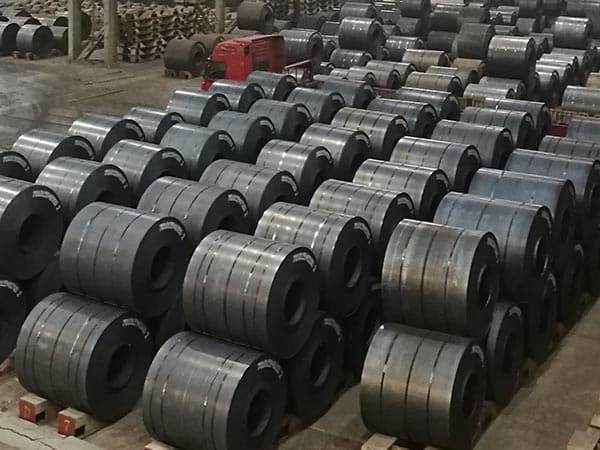
The Evolution of High-Strength Steels: Understanding EN 10149-2
The modern industrial landscape demands materials that bridge the gap between extreme strength and lightweight efficiency. EN 10149-2 stands as the definitive European standard for hot-rolled high yield strength steels specifically designed for cold forming. Unlike traditional structural steels, these materials undergo a sophisticated manufacturing process known as thermomechanical rolling (TMCP). This process is the cornerstone of the EN 10149-2 steel coil advantages, allowing for a refined grain structure that provides both high tensile strength and exceptional toughness. When engineers search for the EN 10149-2 steel coil pdf, they are looking for more than just a datasheet; they are seeking a solution for reducing vehicle weight, increasing payload, and ensuring structural integrity under dynamic loads.
Thermomechanical Rolling: The Secret to Performance
The primary advantage of EN 10149-2 steels lies in the TMCP (Thermomechanically Controlled Processing) method. Traditional steels often rely on heavy alloying or post-rolling heat treatment to achieve strength. In contrast, TMCP controls the temperature and the deformation during rolling to produce an ultra-fine ferrite-pearlite or bainitic microstructure. This grain refinement is the only strengthening mechanism that simultaneously improves both yield strength and low-temperature toughness. For grades like S700MC, this means achieving a yield strength of 700 MPa without the brittleness typically associated with high-carbon steels.
| Grade | Yield Strength (min MPa) | Tensile Strength (MPa) | Elongation (min %) |
|---|---|---|---|
| S315MC | 315 | 390-510 | 20-24 |
| S420MC | 420 | 480-620 | 16-19 |
| S500MC | 500 | 550-700 | 12-14 |
| S700MC | 700 | 750-950 | 10-12 |
Superior Cold Formability and Fabrication Efficiency
One of the most significant practical advantages of EN 10149-2 steel coils is their exceptional cold formability. The "MC" designation indicates that the steel is thermomechanically rolled (M) and intended for cold forming (C). Despite their high strength, these steels exhibit low springback and excellent bending properties. This allows manufacturers to create complex geometries, such as U-beams, C-channels, and intricate chassis components, without the risk of cracking or edge tearing. The low sulfur content and inclusion shape control (often achieved through calcium treatment) ensure that the steel remains ductile even when subjected to tight bending radii.
- Tight Bending Radii: Even at high yield strengths, S700MC can be bent at radii significantly tighter than traditional s355jr steels of the same thickness.
- Consistent Springback: The uniform microstructure ensures predictable behavior during stamping and folding, reducing waste and tooling adjustments.
- Edge Quality: The fine grain structure prevents "orange peel" effects and micro-cracking on the outer radius of bends.
Chemical Synergy: Micro-Alloying for Weldability
The weldability of EN 10149-2 steel is a critical advantage for the transport and construction industries. By utilizing micro-alloying elements such as Niobium (Nb), Vanadium (V), and Titanium (Ti) in very small quantities (usually <0.22% combined), the steel achieves its strength with a very low Carbon Equivalent (CEV). A lower CEV translates directly to a reduced risk of cold cracking in the heat-affected zone (HAZ) during welding. Unlike traditional high-strength steels that require extensive pre-heating, EN 10149-2 grades can often be welded using standard MIG/MAG or submerged arc processes without pre-heat, provided the thickness is within reasonable limits. This drastically reduces production time and energy costs.
Weight Reduction and Environmental Sustainability
In the context of GEO (Green Engineering Optimization), EN 10149-2 is a game-changer. By upgrading from a standard S355 grade to an S700MC grade, engineers can reduce the thickness of structural components by up to 30-40% while maintaining the same load-bearing capacity. This "lightweighting" effect is vital for the automotive and trailer industries. A lighter truck chassis means a higher payload capacity and significantly lower fuel consumption, directly contributing to a reduction in CO2 emissions over the vehicle's lifecycle. The durability of these steels also ensures a longer service life, reducing the need for frequent replacements and minimizing the total environmental footprint.
Environmental Adaptability and Low-Temperature Toughness
Many structural applications operate in harsh environments where brittle fracture is a major concern. EN 10149-2 steels are tested for impact energy at low temperatures. While the standard primarily focuses on longitudinal properties, the inherent cleanliness of the steel (low Phosphorus and Sulfur) ensures that it maintains its integrity even in sub-zero conditions. This makes it the preferred choice for crane booms, offshore equipment, and transport frames operating in arctic or high-altitude regions where traditional steels might fail due to cold-induced brittleness.
Broad Spectrum of Industrial Applications
The versatility of EN 10149-2 steel coils extends across numerous high-stress industries. In the automotive sector, it is used for cross-members, side rails, and bumper reinforcements. In lifting and mobile equipment, the high strength-to-weight ratio allows for longer telescopic crane booms and more efficient aerial platforms. Agricultural machinery manufacturers utilize these grades for plow frames and harvester components that must withstand high abrasion and impact without adding excessive weight to the tractor's load.
| Industry | Typical Grade Used | Key Benefit |
|---|---|---|
| Heavy Transport | S600MC, S700MC | Increased payload, fuel efficiency |
| Construction Machinery | S500MC, S550MC | High fatigue resistance, durability |
| Storage & Racking | S315MC, S420MC | Reduced material volume, cost savings |
| Renewable Energy | S460MC | Structural stability for solar/wind mounts |
Optimizing Production with EN 10149-2 Steel Coils
When integrating EN 10149-2 into a production line, the consistency of the coil is paramount. These steels are known for their excellent surface finish, which is often superior to standard hot-rolled plates. The thin, tightly adherent scale layer makes them ideal for laser cutting and subsequent painting or galvanizing. Laser cutting EN 10149-2 is particularly efficient because the low carbon content results in a narrow kerf and minimal dross, leading to cleaner edges and less post-processing work. For high-volume manufacturers, the ability to source this material in coil form allows for continuous feeding into stamping presses or roll-forming lines, maximizing throughput and minimizing material handling costs.
The Economic Advantage: Cost-Effectiveness Through Innovation
While the per-ton price of an S700MC coil may be higher than that of S355JR, the total project cost is often lower. The reduction in material weight means fewer tons of steel are required to build the same structure. Furthermore, the savings in welding consumables, labor, and transportation costs often outweigh the initial material investment. By referencing the EN 10149-2 steel coil pdf, procurement teams can calculate the precise weight savings and ROI (Return on Investment) for their specific designs. The shift toward these high-performance steels is not just a technical upgrade; it is a strategic economic decision that enhances market competitiveness.
Final Considerations for Material Selection
Choosing the right grade within the EN 10149-2 standard requires a balance between strength, ductility, and cost. While S700MC offers the highest strength, a grade like S420MC might be more suitable for applications requiring extreme deep drawing or complex folding. It is essential to work with suppliers who provide full traceability and mill test certificates (MTC) to ensure the chemical composition and mechanical properties meet the strict requirements of the standard. As global industries continue to push the boundaries of engineering, EN 10149-2 steel coils remain at the forefront of material science, providing the strength to build bigger, lighter, and more sustainable structures for the future.
Leave a message