
Why the use of s355mc what does mc stand for is more cost-effective
Discover why S355MC steel is the preferred choice for cost-effective engineering. Learn what MC stands for and how its mechanical properties drive industrial efficiency.
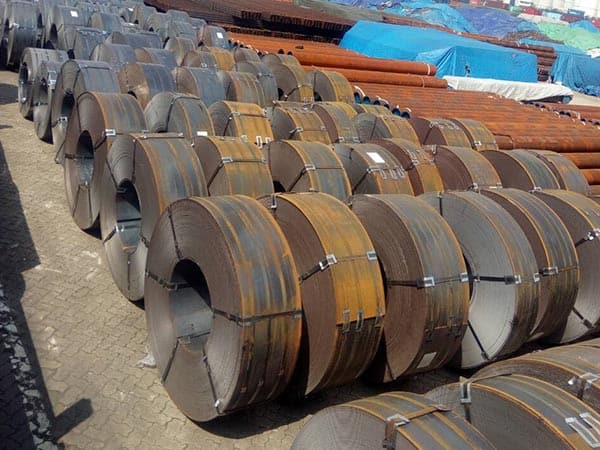
Decoding the Nomenclature: What Does MC Stand For in S355MC?
In the complex world of structural steel, the alphanumeric codes are more than just labels; they are a technical blueprint of the material's capabilities. When we discuss S355MC, we are looking at a high-yield strength steel specifically designed for cold forming. To understand its cost-effectiveness, we must first break down the designation. The 'S' stands for Structural steel. The '355' represents the minimum yield strength of 355 MPa (megapascals) for thicknesses less than 16mm.
The suffix 'MC' is the most critical part for modern manufacturing. The 'M' indicates that the steel has been Thermomechanically Rolled. This is a specialized process where the rolling temperature and the cooling rate are precisely controlled to achieve a fine-grained microstructure that cannot be replicated by simple heat treatment. The 'C' stands for Cold Forming, signifying that the steel is optimized for bending, flanging, and folding without cracking or losing structural integrity. This combination of processing and intent makes S355MC a powerhouse in industrial applications.
The Economic Engine: Why S355MC Drives Down Project Costs
Cost-effectiveness in engineering is rarely about the price per ton; it is about the total cost of ownership and the efficiency of the production cycle. S355MC offers several layers of financial advantage that traditional hot-rolled structural steels, like s355jr, cannot match.
1. Weight Reduction and Material Savings: Because S355MC has a high strength-to-weight ratio, engineers can design thinner sections that provide the same structural support as thicker, lower-grade steels. Reducing the thickness of a component directly reduces the volume of steel purchased. In large-scale production, such as truck chassis or crane booms, a 15-20% reduction in weight translates into massive savings in raw material costs.
2. Lower Logistics and Transport Expenses: Lighter components mean lighter finished products. For the automotive and heavy machinery industries, this results in lower shipping costs and improved fuel efficiency for the end-user. Every kilogram saved in the manufacturing stage compounds into lower operational costs throughout the machine's lifecycle.
Superior Processing Performance: Faster, Cleaner, Cheaper
The 'C' in S355MC highlights its cold-forming excellence. Traditional structural steels often require pre-heating or complex multi-stage forming to avoid stress fractures. S355MC, with its fine-grained structure, allows for tight bend radii and complex geometries at room temperature.
- Enhanced Weldability: Due to its low carbon equivalent (CEV), S355MC is exceptionally easy to weld. It requires little to no pre-heating, which reduces energy consumption and labor time in the welding shop.
- Improved Tool Life: The consistent grain structure and lack of hard spots mean that cutting tools, laser heads, and punching dies experience less wear and tear. This extends the maintenance intervals for expensive CNC machinery.
- Surface Quality: The thermomechanical rolling process results in a cleaner surface with less scale compared to traditional hot-rolled plates. This often eliminates the need for aggressive shot blasting or extensive surface preparation before painting or galvanizing.
Technical Specifications and Mechanical Properties
To truly appreciate why S355MC is a superior choice, we must examine its chemical and mechanical profile. The precision of the thermomechanical process ensures that the steel maintains high ductility even at high strength levels.
| Property | S355MC (EN 10149-2) | Benefit for the Manufacturer |
|---|---|---|
| Yield Strength (Min) | 355 MPa | Higher load-bearing capacity with less material. |
| Tensile Strength | 430 - 550 MPa | Ensures structural safety under extreme tension. | 19% - 23% (depending on thickness) | Allows for complex bending without fracture. |
| Carbon Content (Max) | 0.12% | Excellent weldability and reduced risk of cold cracking. |
Environmental Adaptability and Longevity
Modern infrastructure demands materials that can withstand diverse environmental stressors. S355MC is engineered to perform reliably across a wide temperature range. While it is not a "weathering steel" like Corten, its fine-grained structure provides a more uniform substrate for protective coatings.
In cold climates, many steels become brittle and prone to sudden failure. The thermomechanical rolling process improves the impact toughness of S355MC, making it suitable for equipment operating in sub-zero temperatures, such as agricultural machinery in northern latitudes or offshore structural components. This resilience reduces the frequency of repairs and replacements, further enhancing its long-term cost-effectiveness.
Expanding Industry Applications: Beyond the Basics
The versatility of S355MC has led to its adoption in sectors that previously relied on much more expensive alloy steels.
Automotive and Transportation: The drive for "lightweighting" in electric vehicles (EVs) and heavy-duty trucks has made S355MC a staple. It is used for longitudinal beams, cross members, and cold-pressed frames where weight savings directly impact battery range and payload capacity.
Renewable Energy: In the solar industry, S355MC is used for mounting systems and trackers. These structures must be light enough for easy installation but strong enough to withstand high wind loads. The cold-forming capability allows for the creation of aerodynamic profiles that optimize wind resistance.
Storage and Warehousing: High-bay racking systems utilize S355MC to achieve the necessary height and load capacity while keeping the upright profiles slim. This maximizes the usable volume of the warehouse, providing a clear economic advantage to the facility operator.
Strategic Procurement: Why S355MC is a Smart Investment
When procurement departments evaluate steel grades, they often look at the initial quote. However, the true value of S355MC lies in the process optimization it enables. By switching to S355MC, a factory can often consolidate its inventory, using one high-performance grade for multiple parts that previously required different types of steel.
Furthermore, the consistency of S355MC—batch after batch—means fewer rejects on the production line. In automated manufacturing environments, a single inconsistent plate can crash a machine or cause a production halt. The tight tolerances and predictable behavior of thermomechanically rolled steel ensure that the assembly line keeps moving, which is the ultimate key to profitability in high-volume industries.
Choosing S355MC is a decision to prioritize engineering intelligence over raw material volume. By leveraging the 'MC' properties—thermomechanical precision and cold-forming flexibility—businesses can build stronger, lighter, and more durable products while simultaneously trimming their manufacturing overhead.
Leave a message