
What are the factors that affect B750L structure steel for cold forming strength
Comprehensive analysis of factors influencing B750L structural steel strength during cold forming, covering metallurgy, processing parameters, and environmental impacts.
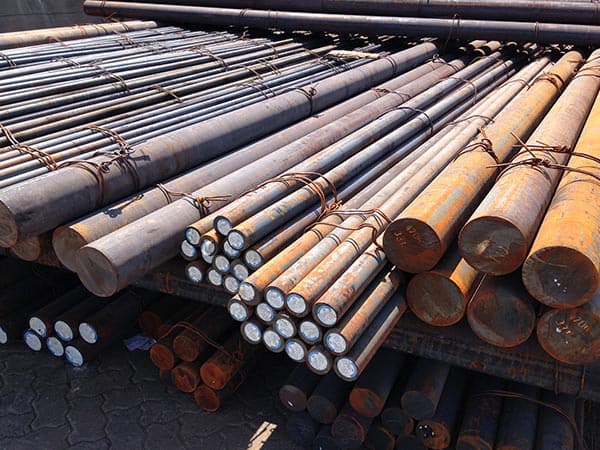
Understanding the High-Strength Characteristics of B750L Steel
B750L is a high-strength low-alloy (HSLA) structural steel specifically engineered for cold forming applications where weight reduction and structural integrity are paramount. The '750' designation typically signifies a minimum yield strength of 750 MPa, making it a critical material for automotive frames, heavy machinery components, and complex structural profiles. The strength of B750L is not a static value but a dynamic property influenced by metallurgical design, processing history, and the physical constraints of the cold forming operation itself.
The Role of Chemical Composition and Micro-Alloying
The fundamental strength of B750L is rooted in its precise chemical makeup. Unlike traditional carbon steels, B750L utilizes a sophisticated blend of micro-alloying elements that facilitate grain refinement and precipitation hardening. These elements are the primary drivers of its high yield-to-tensile ratio.
- Niobium (Nb) and Titanium (Ti): These elements form fine carbides and nitrides during the cooling process. These precipitates pin grain boundaries, preventing grain growth and ensuring a fine-grained microstructure that significantly boosts yield strength.
- Manganese (Mn): Manganese acts as a solid solution strengthener and improves hardenability, ensuring that the steel maintains its strength even in thicker sections.
- Carbon Content: While kept relatively low to ensure excellent weldability and ductility, the carbon level is carefully balanced to provide enough strength without making the material brittle during cold deformation.
- Silicon (Si): Silicon contributes to solid solution strengthening and helps in deoxidizing the steel during the melting process.
Microstructural Integrity and Grain Refinement
The strength of B750L is heavily dependent on its ferrite-pearlite or bainitic microstructure. A finer grain size, achieved through thermomechanical controlled processing (TMCP), directly correlates with higher strength and improved toughness. This relationship is governed by the Hall-Petch equation, where smaller grains increase the number of obstacles to dislocation movement. During cold forming, these microstructural features determine how the material distributes stress and resists localized thinning or fracturing.
Cold Work Hardening and Strain Sensitivity
When B750L undergoes cold forming, such as bending or roll forming, it experiences work hardening (or strain hardening). As the material is deformed, dislocation density increases, making further deformation more difficult and effectively increasing the material's local strength. However, this comes at the cost of reduced residual ductility. The 'n-value' (strain hardening exponent) of B750L is a critical factor; a higher n-value allows for more uniform strain distribution, preventing premature necking in high-stress areas.
| Factor | Impact on Strength | Impact on Formability |
|---|---|---|
| Grain Size Reduction | Increases Yield Strength | Improves Toughness |
| Nb/Ti Precipitation | Significant Increase | Slight Decrease |
| Cold Work (10% strain) | Increases Local Hardness | Reduces Elongation |
| Surface Roughness | Minimal Direct Impact | Affects Friction/Cracking |
The Influence of Bending Radius and Geometry
The geometry of the cold forming process significantly affects the effective strength of the B750L component. The ratio of the inner bending radius (R) to the material thickness (t) is a decisive factor. If the R/t ratio is too small, the outer fibers of the bend may exceed the material's ultimate tensile strength, leading to micro-cracks that compromise the structural integrity of the part. Proper tooling design and radius selection ensure that the work hardening remains within safe limits, preserving the high-strength benefits of the grade.
Springback Effects and Dimensional Accuracy
High-strength steels like B750L exhibit significant springback after cold forming due to their high yield strength and relatively low elastic modulus. Springback occurs when the elastic recovery of the material follows the removal of the forming load. This does not change the intrinsic strength of the steel but affects the structural performance of the final assembly. Engineers must account for this by over-bending or using specialized compensation techniques to ensure that the final part geometry matches the design specifications, maintaining the intended load-bearing capacity.
Surface Quality and Lubrication during Processing
The surface condition of B750L sheets can influence the apparent strength during forming. Surface defects, such as scratches or scale, can act as stress concentrators, leading to premature failure under high-forming loads. Furthermore, the choice of lubricant affects the friction coefficient between the die and the steel. Lower friction reduces the tensile stress required to pull the material into the die, which can help in maintaining more of the material's original thickness and, consequently, its total structural strength.
Environmental Factors and Temperature Sensitivity
Although B750L is designed for room-temperature cold forming, environmental conditions can play a role. Extremely low temperatures can reduce the material's impact toughness, potentially leading to brittle behavior during high-speed forming processes. Conversely, if the material is stored in corrosive environments, surface pitting can occur. These pits act as initiation sites for fatigue cracks, which can significantly reduce the effective strength and lifespan of the component in service.
Welding and Post-Forming Heat Treatment
The strength of B750L can be affected by subsequent manufacturing steps like welding. The Heat Affected Zone (HAZ) near a weld may experience grain growth or precipitate coarsening, leading to a localized drop in strength (softening). While B750L is designed with low carbon equivalent values to minimize this effect, welding parameters must be strictly controlled. Generally, post-forming heat treatment is avoided for B750L to preserve the strength gained from TMCP and cold work hardening, but if stress relieving is necessary, it must be performed at temperatures that do not trigger recrystallization.
Industrial Applications and Performance Requirements
In the heavy transport industry, B750L is used for longitudinal beams and cross-members. Here, the strength is affected by the dynamic loads and the fatigue resistance of the cold-formed sections. In crane construction, the high strength-to-weight ratio allows for longer booms and higher lifting capacities. In each case, the factor that most affects the material's utility is the balance between its high yield strength and its ability to be shaped into complex, rigid geometries without losing its structural essence.
Optimizing the use of B750L requires a holistic approach that considers the metallurgical 'DNA' of the steel alongside the mechanical realities of the fabrication shop. By controlling the interaction between micro-alloying, grain structure, and forming parameters, manufacturers can fully leverage the 750 MPa yield strength to create safer, lighter, and more efficient structural solutions.
Leave a message