
What are the top ten supplier of s420 steel equivalent in Thailand
Discover the leading suppliers of S420 steel equivalents in Thailand. This expert guide analyzes technical specifications, mechanical properties, and procurement strategies for high-strength structural steel in the Thai market, focusing on EN 10025-3/4 st
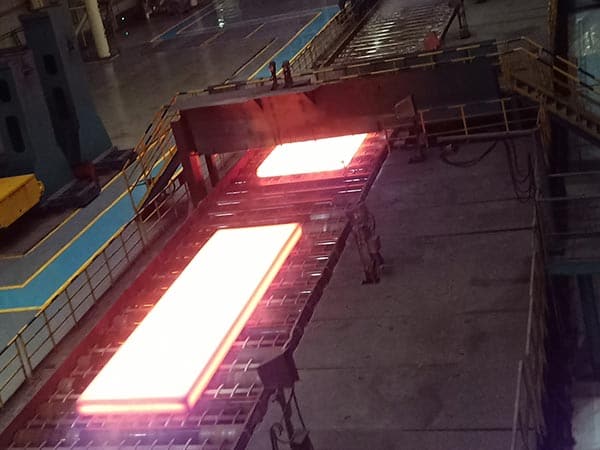
Understanding S420 Steel and Its Global Equivalents
S420 steel represents a pinnacle of high-strength structural engineering, defined primarily by the European standard EN 10025-3 (for normalized rolled steel) and EN 10025-4 (for thermomechanically rolled steel). With a minimum yield strength of 420 MPa, this material bridges the gap between standard structural steels like S355 and ultra-high-strength grades. In the context of Thailand's rapidly expanding infrastructure, including the Eastern Economic Corridor (EEC) and high-speed rail networks, sourcing S420 or its equivalents is critical for projects requiring high load-bearing capacity without the weight penalty of thicker sections.
When searching for S420 steel equivalent in Thailand, it is essential to recognize that the 'equivalent' depends on the specific project requirements. Common substitutes found in the Thai market include the Chinese Q420 (GB/T 1591), the American ASTM A572 Grade 60 or 65, and the Japanese SM490 or SM520 (though SM520 is often the closer match for mechanical performance). Each of these standards carries slight variations in chemical composition and testing protocols, which must be reconciled by structural engineers before procurement.
Technical Profile: Mechanical and Chemical Attributes
The superiority of S420 steel lies in its balanced chemistry. Unlike lower grades, S420 utilizes micro-alloying elements such as Niobium (Nb), Vanadium (V), and Titanium (Ti). These elements facilitate grain refinement during the rolling process, resulting in a material that is both exceptionally strong and remarkably tough.
Mechanical Properties Overview:
- Yield Strength: Min 420 MPa (for thicknesses ≤ 16mm).
- Tensile Strength: 520 – 680 MPa.
- Elongation: Min 16% to 19% depending on the specific sub-grade (N, NL, M, ML).
- Impact Toughness: S420ML and S420NL variants offer guaranteed impact energy at temperatures as low as -50°C, a feature vital for specialized industrial cooling structures even in tropical climates.
The chemical composition is strictly controlled to maintain a low Carbon Equivalent Value (CEV). A typical CEV for S420 ranges from 0.39 to 0.45, ensuring that the steel remains weldable without excessive preheating requirements, a major advantage for onsite fabrication in Thailand's humid environment.
| Standard | Grade | Yield Strength (min) | Tensile Strength | Chemical Basis |
|---|---|---|---|---|
| EN 10025-3 | S420N/NL | 420 MPa | 520-680 MPa | Normalized, Nb-V-Ti |
| GB/T 1591 | Q420B/C/D | 420 MPa | 520-680 MPa | Micro-alloyed |
| ASTM A572 | Grade 60 | 415 MPa | 520 MPa (min) | Columbium-Vanadium |
| JIS G3106 | SM520 | 355-365 MPa | 520-700 MPa | High Manganese |
Top Ten Suppliers of S420 Steel Equivalents in Thailand
Sourcing S420 steel in Thailand involves a mix of local manufacturers, regional subsidiaries of global steel giants, and specialized stockists. Here are the top entities capable of providing S420 or its equivalents (Q420, A572 Gr 60, etc.):
1. Sahaviriya Steel Industries (SSI): As Thailand's largest producer of hot-rolled steel sheet, SSI is a primary source for high-strength structural grades. While they focus heavily on S355, they have the capability to produce high-strength low-alloy (HSLA) coils that meet S420 equivalent specifications for large-scale industrial orders.
2. G Steel Public Company Limited: Utilizing Electric Arc Furnace (EAF) technology, G Steel produces high-quality hot-rolled coils. Their ability to customize chemical compositions makes them a viable partner for projects requiring Q420 or S420 equivalent mechanical properties with a lower carbon footprint.
3. GJ Steel Public Company Limited: A sister company to G Steel, GJ Steel focuses on high-grade thin-gauge hot-rolled coils. They are instrumental in supplying the automotive and light structural industries with high-yield materials that mirror S420 performance.
4. Siam Yamato Steel (SYS): For structural sections (H-beams, I-beams), SYS is the dominant force in Thailand. They offer high-strength sections under the SM520 and ASTM A572 standards, which are the most common equivalents used in Thai building frames and bridges.
5. Tata Steel (Thailand): Tata Steel provides a range of high-strength rebar and structural components. Their global expertise allows them to supply S420 equivalent materials specifically tailored for seismic resilience, which is increasingly important in Northern Thailand.
6. Mitsui & Co. (Thailand): As a major Japanese trading house, Mitsui facilitates the import of genuine EN 10025-3 S420 plates from premium Japanese mills like Nippon Steel or JFE. They are the go-to for projects with strict European specification compliance.
7. Marubeni-Itochu Steel (Thailand): Similar to Mitsui, Marubeni-Itochu specializes in high-end structural steel supply chains, offering comprehensive logistics and quality assurance for imported S420M/ML thermomechanical plates.
8. Thyssenkrupp Materials (Thailand): This supplier offers a sophisticated inventory of European-standard steels. They provide not only the raw material but also value-added services like precision cutting and processing for S420 equivalents.
9. Baosteel (Thailand) Sales Office: China's Baosteel is a global leader in Q420 production. Their Thai presence allows for direct procurement of S420 equivalents that meet both GB and EN standards, often at highly competitive price points for massive infrastructure projects.
10. POSCO (Thailand): The South Korean giant POSCO operates significant processing centers in Thailand. They supply high-strength plates (such as POS-TEN) that exceed S420 requirements, particularly for offshore and heavy machinery applications.
Processing and Fabrication Excellence
Utilizing S420 steel requires a sophisticated approach to fabrication. Because of its higher yield strength compared to S355, the material exhibits different spring-back characteristics during cold forming. Fabricators in Thailand must adjust their bending radii to prevent micro-cracking at the tension face.
Welding Considerations: S420 steel is designed for excellent weldability. However, the use of low-hydrogen welding processes (such as SMAW with basic electrodes or GMAW with appropriate shielding gases) is mandatory to avoid hydrogen-induced cracking. While preheating is often unnecessary for thinner sections due to the low CEV, thicker plates (>40mm) typically require a preheat of 100°C to 150°C to ensure a slow cooling rate in the Heat Affected Zone (HAZ).
Cutting and Machining: Plasma and laser cutting are highly effective for S420. However, when using oxy-fuel cutting, the edges may harden slightly. For critical structural joints, it is recommended to grind the cut edges to remove the hardened layer before welding. This ensures maximum fatigue resistance in dynamic structures like crane gantry girders or bridge decks.
Environmental Adaptation and Industry Applications
Thailand's tropical climate, characterized by high humidity and coastal salinity, poses a challenge for structural steel. S420 steel, particularly when sourced with a copper-bearing 'weathering' chemistry (similar to S420W), offers enhanced atmospheric corrosion resistance. Even standard S420 provides a dense grain structure that, when combined with modern epoxy coating systems or hot-dip galvanizing, ensures a service life exceeding 50 years.
Key Application Areas in Thailand:
- High-Rise Construction: Reducing column sizes in Bangkok's skyscrapers by replacing S355 with S420, thereby increasing net leasable area.
- Energy Infrastructure: Transmission towers and wind turbine bases where high strength-to-weight ratios reduce foundation costs.
- Heavy Machinery: Excavator arms and trailer chassis where S420MC (cold forming grade) provides durability against impact and vibration.
- Bridges and Overpasses: Long-span structures in the EEC rail project that require the high fatigue strength of S420ML.
Strategic Sourcing in the Thai Market
Procuring S420 steel equivalent in Thailand requires more than just comparing prices. Buyers must verify the Mill Test Certificate (MTC) to ensure compliance with the specific sub-grade requirements. For instance, if a project specifies S420ML, a standard Q420B plate will not suffice because it lacks the low-temperature impact testing and the thermomechanical processing (TMCP) history.
Furthermore, navigating the 'Anti-Dumping' (AD) duties in Thailand is crucial. Certain imports from specific countries may be subject to additional taxes, making local stockists of Japanese or South Korean steel more economically viable than direct Chinese imports in some cases. Engaging with a supplier that provides full traceability and third-party inspection (such as SGS or Lloyd's Register) is the best practice for ensuring the structural integrity of high-stakes projects.
The transition toward S420 and higher grades is an inevitable trend in Thai engineering as the nation seeks more sustainable and efficient building methods. By selecting the right equivalent and a reliable supplier from the top ten listed above, engineers can optimize their designs for both performance and cost-effectiveness.
Leave a message