
What are the uses of S500MC plate zero cut
Explore the diverse applications and technical advantages of S500MC high-strength steel plate zero cut. Learn about its mechanical properties, weldability, and cost-efficiency in heavy industry.
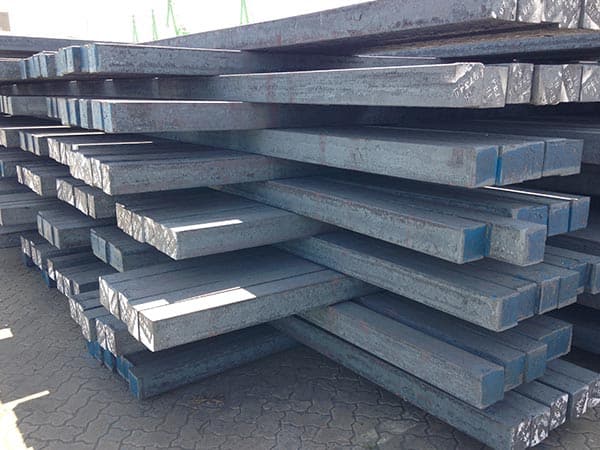
Understanding the Essence of S500MC Steel Plate
S500MC is a high-strength low-alloy (HSLA) steel grade specifically designed for cold-forming applications. Governed by the EN 10149-2 standard, this material is produced through a thermomechanical rolling process. This specialized manufacturing technique ensures a fine-grained microstructure, which provides a unique combination of high yield strength, excellent ductility, and superior weldability. When we discuss S500MC plate zero cut, we are referring to precision-processed segments of this steel, tailored to specific dimensions to eliminate waste and streamline manufacturing workflows.
The "S" in its designation stands for structural steel, while "500" represents the minimum yield strength of 500 MPa. The "MC" suffix indicates that the material is thermomechanically rolled (M) and possesses high cold-forming capacity (C). Unlike traditional carbon steels, S500MC achieves its strength not through high carbon content, but through micro-alloying elements such as Niobium (Nb), Vanadium (V), and Titanium (Ti). This metallurgical approach maintains a low carbon equivalent, which is the primary reason for its exceptional performance in various industrial environments.
Technical Specifications and Material Composition
To appreciate the uses of S500MC zero cut plates, one must first analyze the chemical and mechanical framework that gives this steel its edge. The precision in its alloying allows for a thinner profile without sacrificing structural integrity, which is a critical factor in modern lightweight engineering.
| Element | Maximum Content (%) |
|---|---|
| Carbon (C) | 0.12 |
| Manganese (Mn) | 1.60 |
| Silicon (Si) | 0.50 |
| Phosphorus (P) | 0.025 |
| Sulfur (S) | 0.015 |
| Aluminium (Al) | 0.015 |
The mechanical properties of S500MC are equally impressive. The material is engineered to withstand significant stress while remaining flexible enough for complex shaping. This balance is what makes zero-cut pieces so valuable for specialized component manufacturing.
| Property | Value |
|---|---|
| Yield Strength (ReH) | Min 500 MPa |
| Tensile Strength (Rm) | 550 - 700 MPa |
| Elongation (A80mm) | Min 12% (t < 3mm) |
| Elongation (A5) | Min 14% (t ≥ 3mm) |
The Strategic Advantage of "Zero Cut" Processing
The term "zero cut" implies a level of precision where the steel plate is delivered in the exact dimensions required for the final application, or as high-quality remnants that serve specific small-scale needs. For manufacturers, utilizing S500MC zero cut plates offers several operational advantages. First, it significantly reduces material scrap, which is essential for maintaining cost-efficiency in high-volume production. Second, it minimizes the need for on-site cutting equipment, thereby reducing energy consumption and labor costs.
Precision laser cutting and plasma cutting are the most common methods used to create zero-cut S500MC components. Because the steel has a clean surface finish and a consistent microstructure, it responds exceptionally well to thermal cutting processes. The heat-affected zone (HAZ) remains localized, ensuring that the high-strength properties of the S500MC are not compromised near the edges of the cut. This is vital for parts that will undergo further welding or high-stress loading.
Primary Uses in the Automotive and Transportation Industry
One of the most prominent applications of S500MC plate zero cut is within the commercial vehicle sector. The push for "lightweighting" to improve fuel efficiency and increase payload capacity has made HSLA steels indispensable. S500MC allows engineers to design chassis frames and cross-members that are thinner than those made from traditional S355 steel, yet possess higher load-bearing capabilities.
- Truck Chassis Frames: Longitudinal beams and cross-members benefit from the high yield strength, allowing the vehicle to carry heavier loads without deforming.
- Trailer Construction: Zero-cut plates are used for side guards, bumper brackets, and suspension components where weight reduction directly translates to lower operational costs.
- Cabs and Structural Pillars: The excellent cold-forming properties allow S500MC to be pressed into complex shapes for safety-critical structural reinforcements.
The fatigue resistance of S500MC is another critical factor. Vehicles are subject to constant vibration and cyclic loading. The fine-grain structure of S500MC inhibits the initiation of micro-cracks, extending the service life of the vehicle's structural backbone. By using zero-cut pieces, manufacturers can source specific reinforced plates for high-stress joints without purchasing entire sheets.
Applications in Lifting and Material Handling Equipment
The lifting industry demands materials that can handle extreme tensile forces while remaining light enough to maximize the reach of cranes and booms. S500MC zero cut plates are frequently found in the manufacturing of telescopic crane sections and forklift components. The high strength-to-weight ratio is the primary driver here.
In mobile cranes, the boom sections must be incredibly rigid to prevent buckling under load. Using S500MC allows for a reduction in the wall thickness of these sections, which reduces the overall weight of the crane. This weight saving can be redistributed to the counterweights or used to increase the maximum lifting height. Zero-cut plates are particularly useful for the internal stiffeners and gusset plates that reinforce the corners of these telescopic sections.
Furthermore, the agricultural machinery sector utilizes S500MC for the frames of heavy-duty plows, harvesters, and trailers. These machines operate in harsh outdoor environments where they encounter unpredictable soil resistance and mechanical shocks. S500MC provides the toughness required to absorb these impacts without permanent deformation.
Cold Forming and Fabrication Excellence
The "C" in S500MC highlights its superior cold-forming capability. For fabricators, this means the material can be bent to tight radii without cracking. For a steel with a yield strength of 500 MPa, this is a significant technological achievement. Typically, the recommended minimum bending radius for S500MC is around 1.0 to 1.5 times the thickness of the plate, depending on the orientation of the bend relative to the rolling direction.
When working with zero-cut pieces, fabricators can perform complex press braking and roll forming operations. This is particularly useful for creating U-channels, C-profiles, and custom brackets used in construction and solar mounting systems. The consistency of the material ensures that spring-back is predictable, which is essential for maintaining tight tolerances in automated assembly lines.
Weldability is another cornerstone of S500MC's utility. Due to its low carbon equivalent (CEV), it can be welded using all standard methods, including MIG/MAG, TIG, and submerged arc welding. It does not generally require preheating, which simplifies the production process and reduces the risk of hydrogen-induced cracking. This makes S500MC zero cut plates ideal for modular construction where components are welded together in rapid succession.
Environmental Adaptability and Longevity
While S500MC is not a "weathering steel" like Corten, its chemical purity and fine grain structure provide a good base for various protective coatings. In environments where corrosion is a concern, S500MC plates are often galvanized or painted. The smooth surface finish resulting from the thermomechanical rolling process ensures excellent adhesion for these coatings.
Across the renewable energy sector, S500MC zero cut plates are used in the construction of solar tracker frames. These structures must withstand high wind loads and remain stable for decades. The high strength of S500MC ensures that the frames do not bend under extreme weather conditions, while the ability to use thinner sections reduces the environmental footprint of the steel production and transport.
In cold climates, the impact toughness of the material becomes paramount. S500MC is tested for impact energy at temperatures as low as -20°C (and sometimes lower depending on specific sub-grades), ensuring that the steel does not become brittle in winter conditions. This makes it a reliable choice for infrastructure projects in northern latitudes, such as bridge components and outdoor storage racking systems.
Economic Impact and Sustainability in Manufacturing
The transition from standard structural steels to S500MC zero cut solutions represents a shift toward more sustainable and economically viable manufacturing. By using a higher-strength material, companies can reduce the total volume of steel required for a project. This leads to a cascade of savings: lower raw material costs, reduced shipping weights, and lower energy requirements for welding and handling.
The use of zero-cut segments specifically addresses the issue of industrial waste. In a traditional manufacturing setup, up to 20% of a steel plate might end up as scrap during the cutting process. By sourcing zero-cut S500MC, manufacturers can move toward a "just-in-time" production model where every piece of steel delivered is a piece of steel used. This efficiency is a key component of the circular economy within the metals industry.
The versatility of S500MC plate zero cut extends into the storage and racking industry as well. High-bay warehouses require racking systems that can support immense weights with minimal deflection. The high yield strength of S500MC allows for the creation of uprights and beams that are both lightweight and incredibly strong, maximizing the vertical storage capacity of modern logistics centers.
Ultimately, the choice of S500MC zero cut is a choice for performance and precision. Whether it is the backbone of a long-haul truck, the arm of a heavy-duty crane, or the frame of a solar array, this material provides the structural integrity needed for the most demanding applications while offering the flexibility required for modern fabrication techniques. The integration of high-strength properties with excellent processing characteristics ensures that S500MC remains a preferred material for engineers looking to push the boundaries of what is possible in steel construction.
Leave a message