
What are the operation principles to be followed in the S900MC construction machinery steel cutting process
A technical guide on the operational principles for cutting S900MC high-strength steel, focusing on thermal management, precision parameters, and mechanical integrity.
Technical Foundation of S900MC High-Strength Structural Steel
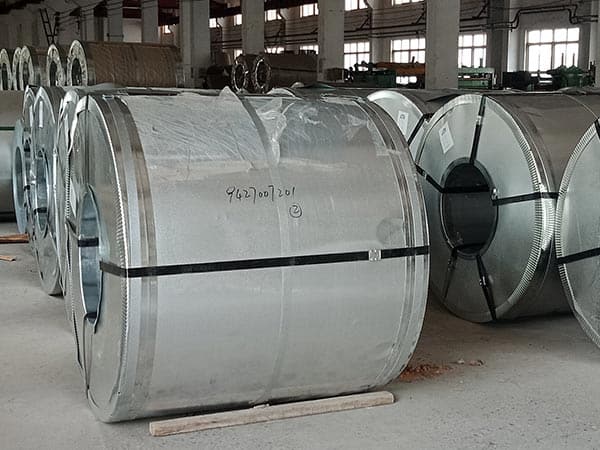
S900MC is a high-strength structural steel produced through a thermomechanically rolled (TMCP) process, specifically engineered for the heavy-duty demands of the construction machinery sector. With a minimum yield strength of 900 MPa, this material allows for significant weight reduction in telescopic booms, crane chassis, and earthmoving equipment. However, the very metallurgical treatments that grant S900MC its superior strength and toughness also make it sensitive to thermal processing. Understanding the operational principles of cutting this steel is not merely about achieving a shape; it is about preserving the delicate balance of its fine-grained microstructure. Unlike traditional structural steels, S900MC relies on a precise combination of micro-alloying elements like niobium, vanadium, and titanium, which can be negatively affected by improper heat input during the cutting phase.
Thermal Management: The Primary Principle of S900MC Cutting
The most critical principle in processing S900MC is the strict control of heat input. Because S900MC achieves its mechanical properties through thermomechanical rolling rather than traditional quenching and tempering, the Heat Affected Zone (HAZ) is particularly vulnerable to softening. If the cutting speed is too slow or the energy density is too high, the area adjacent to the cut edge can experience grain growth and a loss of dislocation density, leading to a localized drop in yield strength. Thermal management requires a 'fast and cool' approach. High-energy density methods like fiber laser cutting are preferred over oxy-fuel cutting because they concentrate the energy in a narrower beam, significantly reducing the width of the HAZ. When using plasma or laser, the goal is to minimize the time the steel remains at temperatures above the critical transformation point (A1 line), ensuring that the edge remains as close to the parent metal's hardness as possible.
Precision Parameters for Laser and Plasma Cutting
When executing the cutting process, operators must adhere to specific parameters tailored to the thickness of the S900MC plate. For thicknesses below 15mm, fiber laser cutting is the industry standard due to its ability to maintain a narrow kerf and high feed rates. The principle of gas selection is paramount here. Using high-pressure nitrogen (10-18 bar) as the assist gas is recommended to prevent oxidation of the cut edge. This 'clean cut' method ensures that the edge is ready for welding without the need for secondary grinding to remove oxide layers, which could introduce further mechanical stress. For thicker plates where plasma cutting is utilized, the principle of 'Fine Hole' or 'High Definition' plasma should be applied. This involves using a stabilized arc and specific gas mixtures (such as Ar/H2) to maintain a vertical cut edge and minimize the dross that can act as a stress concentrator during the service life of the machinery.
| Cutting Method | Heat Affected Zone (HAZ) | Edge Quality | Suitability for S900MC |
|---|---|---|---|
| Fiber Laser | 0.1mm - 0.3mm | Excellent (Square, no oxide) | Highly Recommended |
| HD Plasma | 0.5mm - 1.2mm | Good (Minor taper) | Recommended for >12mm |
| Oxy-Fuel | 2.0mm - 5.0mm | Poor (Heavy oxidation) | Not Recommended |
| Waterjet | Zero | Excellent (No thermal change) | Ideal for high-precision components |
Mechanical Integrity and Edge Preparation Principles
S900MC is often used in components subject to high fatigue loads. Therefore, the physical condition of the cut edge is as important as the thermal state. Any micro-cracks, notches, or heavy striations resulting from an unstable cutting process can become initiation points for fatigue failure. The operational principle here is the elimination of stress concentrators. If a laser cut exhibits heavy striations due to incorrect focus or gas pressure, these must be smoothed by mechanical means. Furthermore, for components that will undergo subsequent cold forming (bending), the cut edges should be deburred. The high strength of S900MC means it has lower ductility than standard S355 steel; any edge defect can lead to cracking during the bending process. Operators must ensure that the cutting direction is optimized—ideally, the most critical bends should be perpendicular to the rolling direction of the steel, and the cut quality must be monitored continuously to prevent 'burn-through' at corners.
Environmental and Material Handling Protocols
The performance of S900MC during cutting is also influenced by the environment and how the material is handled before it reaches the cutting table. Plates must be stored in a dry, temperature-controlled environment to prevent surface rust, which can interfere with laser beam absorption and cause 'splatter' during the piercing phase.
- Pre-cutting inspection: Ensure the plate is flat to maintain a consistent nozzle-to-workpiece distance.
- Temperature equilibrium: Allow the steel to reach workshop temperature before cutting to avoid condensation.
- Nesting optimization: Arrange parts to allow for heat dissipation, preventing heat build-up in small sections of the skeleton.
- Path planning: Use 'bridge' cutting or 'chain' cutting to reduce the number of piercings, which are the highest heat-input events.
Advanced Process Performance: Avoiding Cold Cracking
Although S900MC has a low carbon equivalent (CEV) compared to traditional high-strength steels, the risk of cold cracking at the cut edge still exists, particularly in very thick sections or in extremely cold workshop environments. The principle of preheating is rarely required for S900MC when using laser or plasma, but if oxy-fuel must be used for very thick plates, a modest preheat (around 100°C) can help slow the cooling rate of the HAZ, preventing the formation of brittle martensite. However, caution is advised: exceeding 200°C can permanently degrade the yield strength of the TMCP steel. The focus should always be on maintaining a balanced cooling rate that prevents hardening without causing over-tempering. Post-cut inspection using dye penetrant or magnetic particle testing on critical structural components is a best practice to ensure the integrity of the processed edge before it moves to the welding assembly stage.
Expanding Applications in Heavy Equipment Manufacturing
The rigorous application of these cutting principles has enabled the widespread adoption of S900MC across various demanding sectors. In the production of mobile cranes, S900MC is used for the complex lattice structures and boom sections where every kilogram saved translates directly into increased lifting capacity. In the mining industry, the wear resistance and high strength of S900MC are utilized in the chassis of heavy dump trucks, where the steel must withstand both static loads and dynamic impacts. The transport sector also benefits, using S900MC for lightweight trailer frames that can carry heavier payloads while consuming less fuel. As manufacturing technology evolves, the integration of automated fiber laser systems with real-time monitoring of the cutting kerf is becoming the standard, allowing for even tighter tolerances and more consistent mechanical performance across large production runs. The future of high-strength steel processing lies in this intersection of metallurgical knowledge and digital precision, ensuring that the inherent properties of S900MC are fully realized in the final machine.
Leave a message