
What asdvantages does S500MC automotive steel coil have
A comprehensive analysis of S500MC automotive steel coil, detailing its mechanical properties, chemical composition, processing advantages, and its critical role in modern vehicle manufacturing and structural engineering.
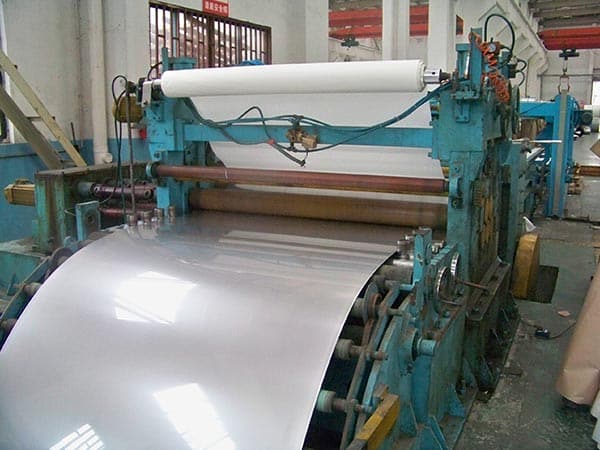
Defining S500MC: The Engineering Standard for Automotive Strength
S500MC automotive steel coil represents a pinnacle of high-strength low-alloy (HSLA) engineering, specifically designed for the demanding requirements of the modern transportation industry. Governed by the EN 10149-2 standard, this thermomechanically rolled steel is engineered to provide a minimum yield strength of 500 MPa. Unlike traditional hot-rolled steels, S500MC is the result of sophisticated metallurgical processing that balances extreme strength with the high ductility necessary for complex forming operations. The "S" denotes structural steel, "500" indicates the minimum yield strength in megapascals, and "MC" signifies that the material is thermomechanically rolled (M) and intended for cold forming (C). This unique combination of properties makes it an indispensable material for manufacturers seeking to optimize vehicle performance while adhering to stringent safety and environmental regulations.
The Science of Micro-alloying and Grain Refinement
The superior performance of S500MC is not accidental; it is rooted in a meticulously controlled chemical composition. The alloy utilizes micro-alloying elements such as Niobium (Nb), Vanadium (V), and Titanium (Ti) to achieve grain refinement and precipitation hardening. These elements, even in minute quantities, significantly alter the microstructure of the steel during the thermomechanical control process (TMCP). By pinning grain boundaries during the rolling process, these micro-alloys prevent grain growth, resulting in a fine-grained ferrite-pearlite structure. This fine grain size is the primary reason why S500MC can maintain high toughness and ductility even at high strength levels. Furthermore, the carbon content is kept exceptionally low (typically below 0.12%), which is crucial for ensuring that the steel remains weldable and resistant to brittle fracture, a common pitfall in higher-carbon structural steels.
Exceptional Mechanical Properties for Structural Integrity
When evaluating the advantages of S500MC, its mechanical profile stands out as its most compelling feature. The material provides a robust yield strength ranging from 500 to 620 MPa, while maintaining a tensile strength between 550 and 700 MPa. This high yield-to-tensile ratio allows engineers to design components that can withstand significant loads without permanent deformation. However, strength is only half the story. S500MC offers impressive elongation properties, often exceeding 12% to 14% depending on the thickness, which ensures that the material can absorb energy during a collision—a vital safety characteristic for automotive chassis and cross members. The following table illustrates the typical mechanical requirements for S500MC according to international standards:
| Property | Value (Min/Range) | Testing Standard |
|---|---|---|
| Yield Strength (ReH) | 500 MPa min. | EN ISO 6892-1 |
| Tensile Strength (Rm) | 550 - 700 MPa | EN ISO 6892-1 |
| Elongation (A80mm) | 12% (t < 3mm) | EN ISO 6892-1 |
| Elongation (A5) | 14% (t ≥ 3mm) | EN ISO 6892-1 |
| Bending Radius (180°) | 0.5t to 1.0t | Internal Standard |
Superior Cold Forming and Processing Versatility
One of the most significant practical advantages of S500MC is its exceptional cold-forming capability. Manufacturers often face the challenge of materials cracking or exhibiting excessive springback when attempting to form complex geometries. S500MC addresses these issues through its fine-grained structure, which allows for tight bending radii without the risk of surface cracking or edge tearing. This formability is particularly beneficial for producing intricate chassis components, longitudinal beams, and reinforced brackets. Additionally, the material is highly compatible with modern manufacturing technologies such as laser cutting and CNC punching. Because the internal stresses are minimized during the TMCP process, S500MC plates and coils remain flat and stable during thermal cutting, ensuring high dimensional accuracy and reducing the need for secondary leveling operations.
Optimized Weldability for Automated Production
In the automotive industry, where robotic welding is the standard, the weldability of a material is a make-or-break factor. S500MC excels in this regard due to its low carbon equivalent (Ceq). Whether using Metal Active Gas (MAG), Tungsten Inert Gas (TIG), or laser welding, S500MC maintains its structural integrity across the heat-affected zone (HAZ). The micro-alloyed precipitates are stable enough to prevent significant grain coarsening in the HAZ, which often weakens other high-strength steels. This ensures that the welded joints are as strong and tough as the base metal, providing a uniform safety profile across the entire vehicle frame. Furthermore, the absence of hardening in the weld zone reduces the risk of cold cracking, allowing for high-speed production lines without the need for pre-heating or post-weld heat treatments.
Weight Reduction and Environmental Sustainability
The push for automotive lightweighting is driven by both regulatory pressure to reduce CO2 emissions and the consumer demand for better fuel efficiency (or longer range in electric vehicles). S500MC is a key enabler of this trend. By utilizing the high yield strength of S500MC, engineers can reduce the thickness of structural components by 20% to 30% compared to traditional S355 or Q345 steels, without compromising the load-bearing capacity or safety. This reduction in material volume translates directly into a lighter vehicle weight. From an environmental perspective, the benefits are two-fold: less raw material is consumed during production, and the finished vehicle consumes less energy throughout its operational life. For heavy-duty trucks and trailers, this weight saving also allows for a higher payload capacity, directly improving the economic efficiency of logistics operations.
Durability and Fatigue Resistance in Dynamic Environments
Automotive components are rarely subjected to static loads; they must endure millions of cycles of vibration, torsion, and impact throughout their lifespan. S500MC demonstrates superior fatigue resistance compared to standard hot-rolled carbon steels. The fine-grained ferrite structure acts as a barrier to fatigue crack initiation and propagation. This durability is essential for parts like suspension towers, truck frames, and crane arms, where material fatigue could lead to catastrophic failure. Moreover, S500MC exhibits good atmospheric corrosion resistance, and its smooth surface finish provides an excellent substrate for modern coating systems, such as cataphoretic painting (KTL) or hot-dip galvanizing, further extending the service life of the vehicle in harsh environments.
Diverse Applications Across the Transportation Sector
The versatility of S500MC has led to its widespread adoption across various sectors. In the heavy-duty vehicle industry, it is the preferred choice for truck chassis side members and cross members, where the balance of weight and strength is critical. In the bus and coach industry, it is used for the skeletal structure to ensure passenger safety while keeping the center of gravity low. Beyond road vehicles, S500MC is frequently utilized in the manufacturing of agricultural machinery, such as tractor frames and harvester components, as well as in the construction of mobile cranes and lifting equipment. Its ability to be formed into complex C-channels and U-profiles makes it ideal for any structural application where space is limited but strength requirements are high.
Economic Advantages: Cost-Effectiveness Through Design
While the per-ton price of S500MC may be higher than that of basic commodity steels, the total cost of ownership and production often proves to be lower. The reduction in material weight means fewer tons of steel need to be purchased for the same number of units. Additionally, the excellent formability and weldability reduce scrap rates and rework costs. The ability to use thinner gauges also leads to lower transportation costs for the raw material and the finished components. When considering the entire lifecycle—from material procurement to fuel savings for the end-user—S500MC emerges as one of the most cost-effective solutions for modern structural engineering. By integrating S500MC into the design phase, manufacturers can achieve a competitive edge through superior product performance and optimized manufacturing efficiency.
Leave a message