
What asdvantages does s700mc steel equivalent in india have
Comprehensive analysis of S700MC steel equivalents in India, detailing mechanical properties, fabrication benefits, and industrial applications for weight reduction and efficiency.
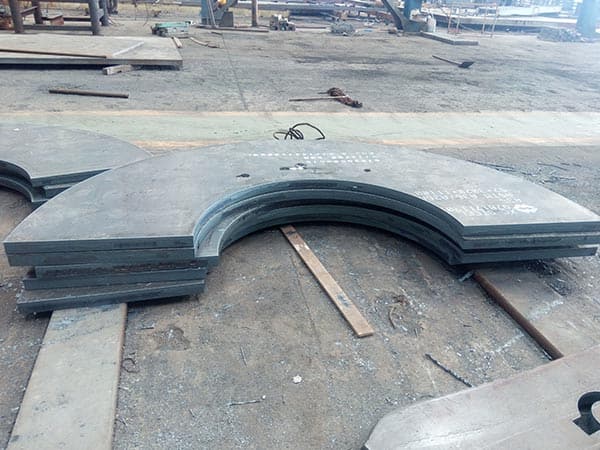
Understanding S700MC and Its Strategic Importance in India
S700MC is a high-strength low-alloy (HSLA) steel grade produced through thermomechanically controlled processing (TMCP). This material has become a cornerstone in modern engineering where the dual goals of weight reduction and structural integrity are paramount. In the Indian context, the shift toward higher efficiency in transportation, construction, and heavy machinery has accelerated the adoption of S700MC equivalents. These materials are governed by standards such as EN 10149-2 internationally, while in India, they align closely with IS 2062 E700 and various proprietary grades from leading domestic mills like JSW Steel, Tata Steel, and SAIL.
The core philosophy behind using an S700MC equivalent is the optimization of the strength-to-weight ratio. By utilizing a yield strength of 700 MPa, engineers can significantly reduce the thickness of structural components without compromising safety. This capability is particularly vital for the Indian logistics sector, which faces increasing pressure to maximize payloads while adhering to strict axle load regulations. The transition from conventional S355 grades to S700MC represents a technological leap that impacts everything from fuel consumption to carbon footprints.
Chemical Composition and the Role of Micro-Alloying
The exceptional properties of S700MC equivalents in India are not accidental; they are the result of precise metallurgical engineering. Unlike traditional carbon steels, these high-strength grades rely on micro-alloying elements such as Niobium (Nb), Titanium (Ti), and Vanadium (V). These elements, even in minute quantities, facilitate grain refinement during the rolling process.
Grain refinement is the only strengthening mechanism that simultaneously improves both strength and toughness. During the TMCP process, the steel is rolled at specific temperatures where recrystallization is suppressed, leading to a very fine-grained ferrite-pearlite or bainitic microstructure. This microscopic structure is what allows the material to remain ductile despite its high hardness. In the Indian manufacturing environment, where ambient temperatures and processing conditions can vary, the stability of this microstructure ensures consistent performance across different batches of steel.
| Element | Typical Content (%) | Primary Function |
|---|---|---|
| Carbon (C) | Max 0.12 | Ensures excellent weldability by keeping CEV low. |
| Manganese (Mn) | Max 2.10 | Increases strength and hardenability. |
| Silicon (Si) | Max 0.60 | Deoxidizer and solid solution strengthener. |
| Niobium (Nb) | Max 0.09 | Grain refinement and precipitation hardening. |
| Titanium (Ti) | Max 0.22 | Stabilizes nitrogen and prevents grain growth. |
Mechanical Performance: Beyond Yield Strength
While the "700" in S700MC denotes a minimum yield strength of 700 MPa, the advantages of Indian equivalents extend far beyond this single metric. Tensile strength typically ranges between 750 and 950 MPa, providing a robust safety margin. However, the true engineering value lies in the elongation properties and impact toughness.
Indian equivalents like IS 2062 E700 are designed to maintain high ductility, often showing elongation values of 12% to 15% on a proportional gauge length. This allows for complex cold forming operations, such as tight-radius bending, which are essential for manufacturing modern truck chassis and crane booms. Furthermore, impact toughness at sub-zero temperatures (often tested at -20°C or -40°C) ensures that equipment operating in the diverse climates of the Indian subcontinent—from the heat of the Deccan Plateau to the cold of the Himalayan regions—remains resistant to brittle fracture.
Superior Cold Formability and Fabrication Advantages
One of the most significant advantages of S700MC steel equivalents in India is their excellent cold formability. Despite their high strength, these steels can be bent and folded with precision. This is a direct result of the low carbon content and the clean steel-making practices (low sulfur and phosphorus) adopted by Indian mills. For fabricators, this means:
- Reduced Springback: While higher than mild steel, the springback of S700MC is predictable, allowing for accurate automated bending.
- Tight Bend Radii: It is often possible to achieve a minimum bend radius of 1.5 to 2 times the plate thickness, which is remarkable for a 700 MPa material.
- Surface Quality: The TMCP process results in a thin, tightly adherent scale that is easy to remove, facilitating high-quality painting and coating.
From a fabrication standpoint, weldability is another critical factor. Because the strength is derived from microstructure and micro-alloying rather than high carbon equivalent (CEV) values, S700MC equivalents can be welded using standard processes like GMAW (MIG/MAG) or SMAW. Preheating is generally not required for typical thicknesses, which reduces energy costs and speeds up production cycles in Indian workshops. However, it is vital to control the heat input to avoid softening the heat-affected zone (HAZ), a nuance that skilled Indian welders have mastered through the adoption of modern pulse-welding technologies.
Impact on the Heavy Transport and Logistics Industry
The Indian transport industry is currently undergoing a massive transformation. With the implementation of the PM Gati Shakti National Master Plan and stricter enforcement of overloading laws, fleet operators are desperate for lighter trailers and trucks. S700MC equivalents provide the perfect solution. By replacing S355 (350 MPa) steel with S700MC, the weight of a trailer chassis can be reduced by up to 30% without losing load-bearing capacity.
This weight reduction translates directly into increased payload. For every kilogram saved in the chassis, a kilogram of extra cargo can be carried. Over the lifespan of a heavy-duty vehicle in India, this leads to millions of rupees in additional revenue and significant savings in fuel. Moreover, lighter vehicles cause less wear and tear on tires and braking systems, further reducing the Total Cost of Ownership (TCO).
Expanding Applications in Construction and Lifting Equipment
Beyond the road, the construction sector in India is utilizing S700MC equivalents for high-reach applications. Mobile cranes, tower cranes, and concrete pump booms require materials that can withstand immense stress while remaining light enough to be mobile. The high fatigue strength of S700MC makes it ideal for these cyclic loading environments.
In the agricultural sector, the demand for larger and more efficient implements—such as high-capacity trailers and soil preparation machinery—is growing. Using S700MC allows Indian manufacturers to produce equipment that is both durable enough for tough soil conditions and light enough to be pulled by mid-range tractors, optimizing the energy efficiency of the entire farming operation.
Environmental Sustainability and Lifecycle Benefits
The use of high-strength steel is inherently linked to environmental sustainability. Producing one ton of S700MC might require slightly more sophisticated processing than one ton of mild steel, but the material intensity of the final product is much lower. If a project requires 70 tons of S700MC instead of 100 tons of S355, the total carbon footprint associated with steel production, transportation, and assembly is reduced by 30%.
In India, where the steel industry is working toward decarbonization goals, the promotion of high-performance grades like S700MC is a key strategy. Furthermore, the longevity of these materials, due to their superior toughness and resistance to deformation, means that products have a longer service life, reducing the frequency of replacement and the associated resource consumption.
Economic Viability in the Indian Market
While the price per kilogram of S700MC equivalent might be higher than standard structural steel, the total project cost is often lower. The reduction in material volume leads to lower shipping costs, fewer welding consumables, and reduced labor time. When these factors are combined with the operational savings mentioned earlier, the return on investment (ROI) for switching to S700MC is exceptionally fast.
Indian steel service centers are now increasingly stocking these grades, making them more accessible to small and medium enterprises (SMEs). This availability, coupled with technical support from domestic mills, is empowering Indian manufacturers to compete on a global stage, exporting high-quality machinery and vehicle components that meet international standards.
Future-Proofing Engineering Designs
As India continues to modernize its infrastructure and manufacturing capabilities, the reliance on advanced materials will only grow. S700MC steel equivalents represent the bridge between traditional heavy engineering and the future of lightweight, high-performance design. By leveraging the unique combination of strength, formability, and weldability, Indian engineers are creating a new generation of products that are safer, more efficient, and more sustainable.
Choosing the right S700MC equivalent involves understanding the specific requirements of the application—whether it be the low-temperature toughness needed for high-altitude equipment or the precise flatness required for laser cutting. With the robust supply chain and technical expertise now available within India, the advantages of this high-strength steel are more accessible than ever, driving innovation across the industrial landscape.
Leave a message