
What are the top ten supplier of en 10149 pdf in Thailand
Discover the technical advantages and sourcing landscape of EN 10149 high-yield strength steels in Thailand. Learn about S315MC to S700MC properties and industrial applications.
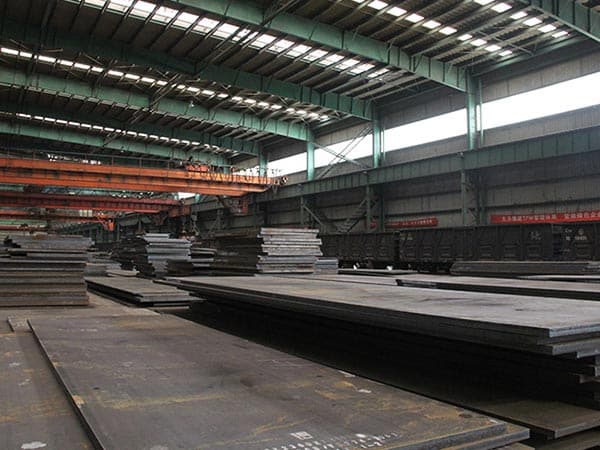
Understanding the Significance of EN 10149 in Thailand's Industrial Landscape
Thailand has long been recognized as the "Detroit of the East," serving as a global hub for automotive manufacturing and heavy engineering. Within this high-stakes environment, the demand for materials that offer both weight reduction and structural integrity is paramount. EN 10149, a European standard for hot-rolled flat products made of high yield strength steels for cold forming, has become a cornerstone for Thai manufacturers. This standard is divided into several parts, with Part 2 (thermomechanically rolled steels) and Part 3 (normalized or normalized rolled steels) being the most prevalent in the market.
The shift towards EN 10149 grades like S315MC, S420MC, S500MC, and S700MC is driven by the need for fuel efficiency in vehicles and higher load-bearing capacities in infrastructure. Unlike traditional carbon steels, these micro-alloyed steels provide a superior strength-to-weight ratio, allowing engineers to design thinner yet stronger components. For procurement managers in Chonburi, Rayong, and Samut Prakan, finding a reliable supplier who can provide the necessary "EN 10149 PDF" technical documentation and material test reports (MTRs) is critical for quality assurance and compliance with international safety standards.
Technical Specifications: The Metallurgy of EN 10149-2
The most widely utilized section of this standard is EN 10149-2, which covers steels produced via thermomechanical rolling (TMCP). This process involves precise temperature control during the rolling phase, which refines the grain structure without the need for additional heat treatment. The result is a steel that exhibits exceptional toughness and weldability.
| Grade | Yield Strength (MPa) min | Tensile Strength (MPa) | Elongation (%) min | Typical Applications |
|---|---|---|---|---|
| S315MC | 315 | 390-510 | 20-24 | Chassis parts, pressed components |
| S420MC | 420 | 480-620 | 16-19 | Truck frames, structural tubing |
| S500MC | 500 | 550-700 | 12-14 | Cranes, lifting equipment |
| S700MC | 700 | 750-950 | 10-12 | High-load structural members |
The chemical composition of these steels is characterized by low carbon content (usually below 0.12%) and the addition of micro-alloying elements such as Niobium (Nb), Vanadium (V), and Titanium (Ti). These elements facilitate grain refinement and precipitation hardening, which are essential for achieving high yield points while maintaining excellent cold formability.
Superior Processing Performance: Cold Forming and Welding
One of the primary reasons Thai manufacturers prefer EN 10149 is its excellent cold forming properties. Despite their high strength, grades like S700MC can be bent to tight radii without cracking, provided the correct tooling and techniques are used. This is vital for the production of complex automotive frames and telescopic crane booms. When reviewing the EN 10149 PDF specifications, engineers pay close attention to the minimum recommended bending radius, which varies depending on the thickness of the plate and the direction of the bend (transverse vs. longitudinal).
Welding is another area where EN 10149 excels. Due to the low carbon equivalent (CEV) values, these steels are less susceptible to cold cracking in the heat-affected zone (HAZ). Standard welding processes such as MAG (Metal Active Gas), MMA (Manual Metal Arc), and Laser welding are highly effective. However, it is crucial to manage heat input to avoid excessive grain growth, which could locally reduce the yield strength. Suppliers in Thailand often provide technical support to help fabricators optimize their welding parameters for high-strength grades.
The Ecosystem of EN 10149 Suppliers in Thailand
The supply chain for EN 10149 in Thailand is a mix of local steel mills, international trading giants, and specialized service centers. Identifying the "top ten" involves looking at inventory depth, processing capabilities (like decoiling and laser cutting), and the ability to provide comprehensive documentation.
- Tier 1: Local Integrated Mills – While Thailand has strong domestic production for commercial grades, high-yield TMCP steels are often produced through partnerships or specialized lines. Companies like Sahaviriya Steel Industries (SSI) and G Steel play a significant role in the broader flat products market.
- Tier 2: International Trading Houses – Major Japanese and European trading firms (e.g., Mitsui, Marubeni, ThyssenKrupp) maintain a heavy presence in Bangkok. They are the primary source for imported EN 10149 S700MC plates that meet strict European standards.
- Tier 3: Specialized Steel Service Centers – These are the backbone of the Thai SME sector. Located in industrial estates like Amata City or Eastern Seaboard, they stock EN 10149 sheets and offer value-added services like precision slitting, leveling, and CNC plasma cutting.
When sourcing, it is vital to verify that the supplier provides a 3.1 or 3.2 inspection certificate according to EN 10204. This document confirms that the material meets the specific requirements of the EN 10149 standard, ensuring that the yield strength and impact toughness are within the specified limits.
Environmental Adaptability and Durability in Tropical Climates
Thailand’s hot and humid climate poses unique challenges for steel storage and longevity. EN 10149 steels, while robust, require proper surface protection if they are not immediately processed. Many suppliers offer these steels in a pickled and oiled (P&O) condition. The pickling process removes mill scale, while a thin layer of oil prevents flash rusting during transit and storage in warehouses in Samut Sakhon or Laem Chabang.
For end-use applications, the fine-grained structure of EN 10149 provides a slight advantage in atmospheric corrosion resistance compared to coarse-grained structural steels, though it is not a substitute for weathering steel or galvanized coatings. In the Thai construction and transport sectors, these steels are often paired with advanced epoxy coatings or hot-dip galvanizing to ensure a service life exceeding 20 years in coastal environments.
Expanding Industry Applications: Beyond Automotive
While the automotive sector remains the largest consumer of EN 10149 in Thailand, other industries are rapidly adopting these high-strength grades. The logistics and material handling industry utilizes S500MC and S700MC for the fabrication of lightweight trailers and containers. By reducing the tare weight of a trailer, operators can increase the payload, directly improving operational efficiency and reducing carbon emissions per ton-kilometer.
In the agricultural machinery sector, Thai manufacturers of harvesters and tractors are turning to EN 10149 to improve the durability of components that face high stress during the harvest season. The ability of the steel to withstand fatigue and impact makes it ideal for the demanding conditions of Thailand's sugarcane and rice fields. Furthermore, the renewable energy sector, particularly in the construction of wind turbine components and solar mounting structures, is beginning to see the value in the high yield strength of S420MC for structural stability against high wind loads.
Strategic Sourcing: How to Evaluate a Supplier
Choosing the right partner for EN 10149 materials in Thailand requires a multi-faceted approach. Beyond the price per ton, buyers must evaluate the technical depth of the supplier. Can they provide a detailed EN 10149 PDF that includes fatigue data? Do they offer nesting services to minimize scrap rates when cutting S700MC plates? These factors significantly impact the total cost of ownership.
Reliability in delivery is another critical factor. With the "Just-In-Time" (JIT) manufacturing models prevalent in Thai automotive clusters, a delay in steel delivery can halt an entire production line. Therefore, the top suppliers are those who maintain a consistent buffer stock of various thicknesses (typically ranging from 1.5mm to 20mm) and have a robust logistics network reaching from the deep-sea ports to the inland factories. Digital transparency, such as online tracking of mill test certificates and real-time inventory levels, is becoming a standard expectation for top-tier suppliers in the Thai market.
The Future of High-Strength Steel in the Thai Market
As Thailand moves towards "Industry 4.0," the demand for smarter materials will only increase. We are seeing a trend toward even higher grades, such as S900MC and S960MC, which push the boundaries of what is possible in cold forming. Suppliers who invest in educating their clients about the benefits of these materials—such as providing detailed workshops on welding S700MC or sharing case studies on weight reduction—will lead the market.
The integration of sustainability into the supply chain is also becoming a priority. Thai manufacturers are increasingly looking for "Green Steel" options, where the production of EN 10149 involves lower carbon emissions. Suppliers who can provide documentation regarding the carbon footprint of their steel will find a competitive edge as global brands demand more transparent and eco-friendly supply chains. This evolution ensures that EN 10149 remains a vital component of Thailand's industrial growth for decades to come.
Leave a message