
What corrodes en 10149-2 pdf free download the fastest?
Comprehensive analysis of EN 10149-2 high-yield steel corrosion factors. Learn why S315MC to S700MC grades react to specific environments and how to optimize durability.
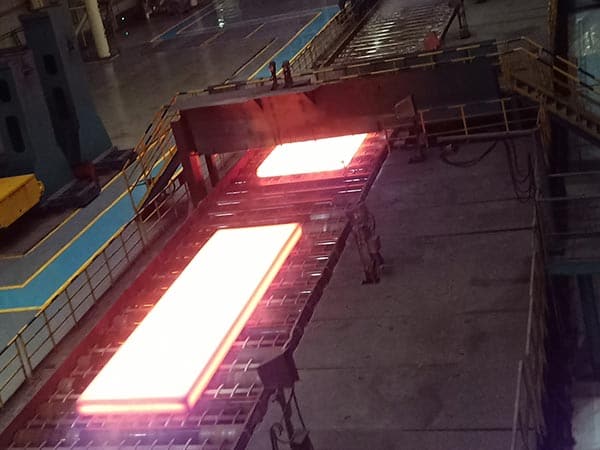
Understanding the Corrosion Vulnerability of EN 10149-2 High-Yield Steels
When searching for EN 10149-2 pdf free download, engineers and procurement specialists are often looking for the technical boundaries of thermomechanically rolled steels. EN 10149-2 specifies hot-rolled high yield strength steels for cold forming, ranging from S315MC to S700MC. While these materials are celebrated for their exceptional strength-to-weight ratios and superior formability, they are not inherently "corrosion-resistant" in the way stainless steels are. Understanding what corrodes these materials the fastest is critical for ensuring the structural integrity of heavy machinery, automotive frames, and cold-formed sections.
The Chemistry of EN 10149-2 and Its Impact on Oxidation
EN 10149-2 steels are High-Strength Low-Alloy (HSLA) materials. Their strength is derived from a combination of precise chemical composition and thermomechanical rolling (TMCP). The use of micro-alloying elements like Niobium (Nb), Vanadium (V), and Titanium (Ti) creates a fine-grained microstructure. However, this microstructure remains primarily ferritic. Without a high chromium content (typically >10.5% in stainless steels), the surface of an S500MC or S700MC plate reacts with the environment to form iron oxide, commonly known as rust.
Chlorides are the fastest accelerators of corrosion for EN 10149-2 steels. In coastal environments or regions where de-icing salts are used, chloride ions penetrate the initial oxide layer, creating localized pits. Because these steels are often used in thinner gauges to save weight, even minor pitting can lead to significant structural weakening faster than it would in thicker, lower-strength carbon steels.
Environmental Factors That Accelerate Material Degradation
To answer what corrodes EN 10149-2 the fastest, we must categorize the environmental stressors. The rate of degradation is rarely linear and is heavily influenced by the following conditions:
- Marine and Coastal Atmospheres: High salt spray concentrations lead to rapid electrochemical reactions. The fine-grained structure of S700MC provides many grain boundaries; while this improves toughness, it can also provide numerous sites for corrosion initiation if the protective coating is breached.
- Industrial Pollutants: Sulfur dioxide (SO2) and nitrogen oxides (NOx) from industrial exhaust combine with moisture to form weak acids. These acids dissolve the protective mill scale found on hot-rolled EN 10149-2 products, exposing the reactive base metal.
- High Humidity and Condensation: Constant moisture prevents the steel from forming a stable, dry oxide layer. Cyclic wet-dry conditions are particularly aggressive, as they concentrate salts and pollutants on the surface during the drying phase.
Mechanical Performance and Corrosion Interplay
| Grade (EN 10149-2) | Yield Strength (min MPa) | Typical Application | Corrosion Sensitivity Risk |
|---|---|---|---|
| S315MC | 315 | Light structural parts | Moderate - often used in thicker sections |
| S420MC | 420 | Truck frames, cold-formed profiles | High - exposed to road salts |
| S500MC | 500 | Cranes, lifting equipment | High - risk of stress corrosion in welds |
| S700MC | 700 | High-load telescopic booms | Very High - sensitive to hydrogen embrittlement |
An often-overlooked aspect of EN 10149-2 steel is Stress Corrosion Cracking (SCC). As the yield strength increases from S315MC to S700MC, the material's sensitivity to hydrogen-induced cracking and SCC also rises. In environments where hydrogen is generated (such as acidic cleaning or cathodic protection systems), the high internal stresses within the cold-formed bends of an S700MC profile can lead to sudden, brittle failure even before visible rust appears.
Processing Performance and Surface Integrity
EN 10149-2 is designed for cold forming. During the bending process, the outer radius of the steel undergoes significant tensile strain. This strain can create micro-fissures in the mill scale. If these micro-fissures are not treated or coated, they become the primary entry points for moisture. Furthermore, the welding of HSLA steels alters the Heat Affected Zone (HAZ). The HAZ often has a different electrochemical potential than the base metal, leading to galvanic corrosion at the microscopic level, where the weld area corrodes faster than the surrounding plate.
Industry-Specific Corrosion Challenges
In the automotive and transport industry, EN 10149-2 steels like S420MC are used for chassis components. The fastest corrosion occurs here due to the combined effect of mechanical abrasion (gravel hitting the frame) and chemical attack (road salts). Once the protective paint or galvanization is chipped, the high-strength steel underneath undergoes rapid oxidation, which can be hidden by the remaining paint layer (filiform corrosion).
In lifting and mobile crane manufacturing, the use of S700MC allows for longer booms. However, these booms are often exposed to varying climates. The "fastest" corrosion in this sector is often found in telescopic sections where lubricants trap moisture and pollutants against the steel surface, creating a crevice corrosion environment that is difficult to inspect.
Mitigating Corrosion in EN 10149-2 Applications
To prevent the rapid degradation of these high-performance steels, several strategies are employed. While the EN 10149-2 pdf provides the chemical limits for elements like Phosphorus (max 0.025%) and Sulfur (max 0.015%), which are kept low to improve toughness and reduce corrosion initiation sites, external protection is mandatory.
- Surface Treatment: Shot blasting followed by immediate priming is the standard for protecting S500MC and S700MC. The removal of mill scale is essential because mill scale is cathodic to the steel; if it remains, it will actually accelerate the corrosion of the underlying metal at any crack or gap.
- Metallic Coatings: Hot-dip galvanizing is possible, but care must be taken with S700MC to avoid liquid metal embrittlement or hydrogen pick-up during the pickling process. Zinc-nickel coatings are increasingly popular for high-strength components in aggressive environments.
- Design Considerations: Avoiding water traps, ensuring proper drainage in cold-formed profiles, and minimizing sharp edges where paint thickness might be inconsistent are vital steps in the design phase.
Technical Summary of Corrosion Rates
While it is difficult to provide a single "speed" for corrosion without specific environmental data, empirical evidence suggests that in a C5-M (Very High Marine) environment, unprotected EN 10149-2 steel can lose significant mass within the first 12 months. The loss of cross-sectional area is particularly dangerous for high-strength designs where the safety margins are calculated based on the superior yield strength of the material. A 1mm loss of thickness on a 10mm S235JR plate is a 10% reduction; the same 1mm loss on a 4mm S700MC plate is a 25% reduction, significantly increasing the risk of catastrophic failure.
Selecting the right grade within the EN 10149-2 standard requires a balance between mechanical requirements and environmental exposure. By understanding that chlorides and acidic pollutants act as the primary catalysts for rapid oxidation, engineers can better implement protective measures that match the high-performance nature of these thermomechanically rolled steels.
Leave a message