
What corrodes pickled steel sheet s420mc the fastest?
Discover the primary environmental and chemical factors that accelerate the corrosion of S420MC pickled steel sheets and how to protect high-strength materials.
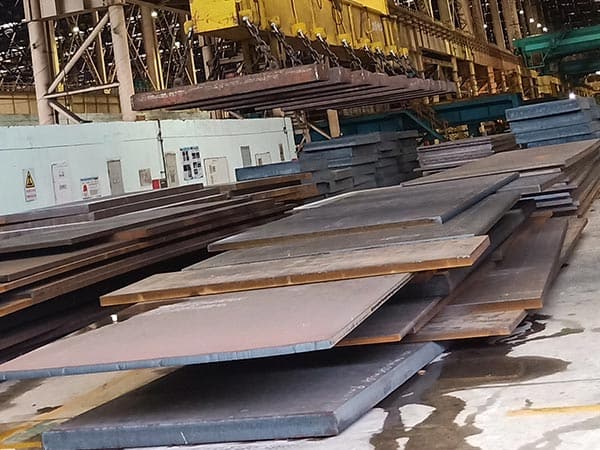
Understanding the Vulnerability of S420MC Pickled Surfaces
S420MC is a high-yield-strength, cold-forming steel produced through thermomechanical rolling. While its mechanical properties are exceptional for automotive and structural applications, its surface chemistry after the pickling process makes it particularly sensitive to specific environmental triggers. Pickling involves passing the hot-rolled steel through an acid bath (usually hydrochloric or sulfuric acid) to remove the black oxide scale. This process leaves a chemically active, clean iron surface. Without the protection of the mill scale, the bare metal is highly susceptible to oxidation. Identifying what accelerates this process is vital for maintaining structural integrity and aesthetic quality.
The Primary Catalyst: Chloride Ion Attack
Among all environmental factors, chloride ions (Cl-) are the most aggressive agents for S420MC. This is particularly relevant for manufacturers located in coastal regions or those transporting materials via maritime routes. Chlorides do not simply sit on the surface; they penetrate the microscopic pores of the metal and any residual oil film. The chemical reaction creates ferric chloride, which is highly soluble and prevents the formation of a stable, protective oxide layer. Instead of a uniform patina, chlorides cause localized pitting corrosion, which can compromise the high-yield strength of S420MC by creating stress concentration points.
Industrial Pollutants and Acidic Precipitation
In heavy industrial zones, the concentration of sulfur dioxide (SO2) and nitrogen oxides (NOx) acts as a powerful accelerant. When these gases combine with atmospheric moisture, they form dilute sulfuric and nitric acids. S420MC, having been pickled, lacks the initial barrier that hot-rolled steel possesses. The acidic moisture reacts immediately with the ferrite-pearlite microstructure of the steel. This leads to a rapid reduction in surface pH, further accelerating the electrochemical reaction that converts iron into hydrated iron oxide, commonly known as red rust.
The Role of Humidity and the Dew Point Effect
High relative humidity (above 60%) is a baseline requirement for rapid corrosion, but the most dangerous factor is the fluctuation of temperature around the dew point. When warm, moist air hits a cold S420MC sheet, condensation forms. This thin film of water acts as an electrolyte. Because pickled steel is often stored in tight coils or stacks, capillary action can pull this moisture between the layers. This creates an oxygen-depleted environment that promotes 'black stain' or 'pressure rust,' which is significantly harder to remove than standard surface oxidation.
| Factor | Corrosion Speed Impact | Primary Chemical Reaction |
|---|---|---|
| Chloride Concentration | Extreme | Formation of soluble iron chlorides |
| Sulfur Dioxide (SO2) | High | Acid-catalyzed oxidation |
| Relative Humidity > 80% | Moderate to High | Electrolytic surface reaction |
| Temperature Cycling | Moderate | Condensation and moisture trapping |
Microstructure and Chemical Composition Influence
The chemical composition of S420MC is optimized for strength and formability, not necessarily for corrosion resistance. With a low carbon content (max 0.12%) and high manganese (max 1.60%), the steel is designed for weldability. However, the addition of micro-alloying elements like Niobium (Nb), Vanadium (V), and Titanium (Ti) creates a fine-grained structure. While this is excellent for preventing crack propagation during bending, these grain boundaries can act as sites for electrochemical activity if the surface is exposed to electrolytes. The lack of significant chromium or nickel content means there is no 'self-healing' passive layer, making the pickled surface entirely dependent on external protection.
Mechanical Stress and Stress Corrosion Cracking
Because S420MC is often used in components that undergo significant cold forming, residual stresses are frequently present in the material. When these stressed areas are exposed to corrosive environments—especially those containing hydrogen or specific salts—the rate of degradation increases exponentially. This phenomenon, known as stress corrosion cracking (SCC), can lead to sudden failure even if the overall surface corrosion appears minimal. The combination of high yield strength (420 MPa) and a corrosive environment makes the management of surface integrity paramount during the manufacturing cycle.
The Impact of Improper Storage and Handling
Human factors often provide the fastest route to corrosion. Handling S420MC pickled sheets with bare hands leaves skin oils and salts on the surface, which create localized corrosion spots within hours. Furthermore, the type of protective oil used after pickling is critical. If the oil is of low quality or has been applied unevenly, 'holidays' (uncoated spots) become the starting point for rapid oxidation. In warehouse environments, the presence of volatile organic compounds (VOCs) or proximity to pickling lines where acid fumes are present will accelerate the breakdown of any protective oil film.
- Exposure to Salt Spray: The single fastest way to induce deep pitting.
- Acidic Fumes: Proximity to chemical processing areas destroys the oil barrier.
- Moisture Trapping: Improperly wrapped coils allow condensation to sit between layers.
- Surface Abrasions: Scratches during transport remove the protective oil and expose the raw metal.
Optimizing Longevity Through Environmental Control
Mitigating the rapid corrosion of S420MC requires a multi-layered approach. First, ensuring that the material is 'Oiled' (O) rather than 'Unoiled' (U) at the mill is standard practice for any material that will not be immediately processed. Second, maintaining a climate-controlled storage facility where the temperature is kept above the dew point prevents the most common cause of storage rust. For industries involving maritime transport, using VCI (Volatile Corrosion Inhibitor) packaging is essential to neutralize the impact of chloride-laden air.
Material Processing Considerations
When S420MC is moved into production, the timing between cleaning and the next stage of coating (such as painting or galvanizing) should be minimized. If the steel must be degreased for welding or forming, it becomes hyper-vulnerable. Applying a temporary rust preventive (RP) fluid can bridge the gap between processing steps. Understanding that S420MC is a high-performance material that requires specific handling protocols ensures that its mechanical advantages are not lost to preventable chemical degradation. By controlling chloride exposure and managing atmospheric moisture, the operational lifespan of S420MC components can be significantly extended across all industrial applications.
Leave a message