
Why the use of en 10149-1 automotive steel standard pdf is more cost-effective
Discover how EN 10149-1 high yield strength steels optimize automotive manufacturing costs through weight reduction, processing efficiency, and superior mechanical properties.
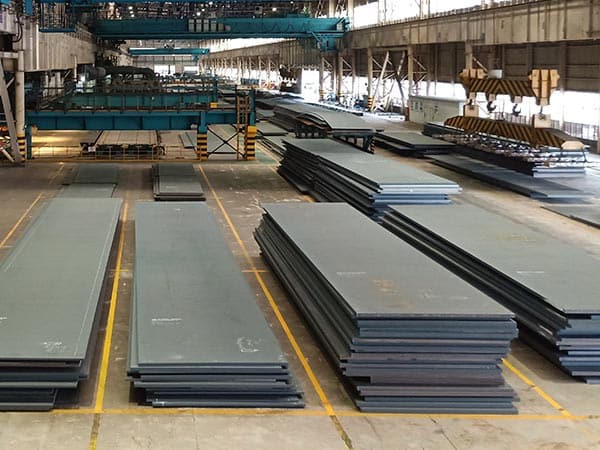
The Economic Logic of High Yield Strength Steels
The global automotive industry is currently navigating a complex landscape defined by the dual pressures of stringent emission regulations and the need for structural integrity. Within this context, the EN 10149-1 standard, which governs hot-rolled flat products made of high yield strength steels for cold forming, has become a strategic asset for manufacturers. By transitioning from traditional carbon steels to the micro-alloyed grades defined in this standard, such as S355MC, S460MC, and S700MC, engineers can achieve significant cost-effectiveness that extends far beyond the initial purchase price of the raw material.
Cost-effectiveness in automotive engineering is often misunderstood as simply finding the lowest price per ton. However, a comprehensive analysis reveals that the total cost of ownership (TCO) is heavily influenced by material performance, processing speed, and the final weight of the component. EN 10149-1 steels are specifically designed to provide a high strength-to-weight ratio, allowing for the use of thinner gauges without compromising the safety or durability of the vehicle's chassis, cross members, or structural reinforcements.
Metallurgical Excellence: The Role of Micro-Alloying
The superior performance of EN 10149-1 steels is rooted in their chemical composition and the thermomechanical rolling process (TMCP). Unlike traditional structural steels that rely on high carbon content for strength, these steels utilize micro-alloying elements such as Niobium (Nb), Vanadium (V), and Titanium (Ti). These elements, even in minute quantities, refine the grain structure of the steel, leading to a fine-grained ferritic-pearlitic matrix that offers both high yield strength and exceptional toughness.
The thermomechanical rolling process is equally critical. By controlling the temperature and the reduction ratio during rolling, the steel achieves its mechanical properties directly from the mill. This eliminates the need for subsequent heat treatments like normalizing or quenching and tempering, which are energy-intensive and time-consuming. This streamlined production route is a primary driver of the cost-effectiveness of EN 10149-1 products.
| Grade | Min. Yield Strength (MPa) | Tensile Strength (MPa) | Min. Elongation (%) |
|---|---|---|---|
| S315MC | 315 | 390-510 | 20 |
| S355MC | 355 | 430-550 | 19 |
| S420MC | 420 | 480-620 | 16 |
| S500MC | 500 | 550-700 | 12 |
| S700MC | 700 | 750-950 | 10 |
Processing Advantages and Manufacturing Efficiency
One of the most significant cost-saving aspects of EN 10149-1 steel is its cold forming capability. The "MC" suffix in grades like S700MC stands for thermomechanically rolled (M) and cold forming (C). These steels are engineered to withstand severe bending, flanging, and stretching without cracking. This high formability allows manufacturers to design complex, integrated parts that would otherwise require multiple smaller components to be welded together. Reducing the number of parts directly translates to lower assembly costs, fewer welding stations, and reduced quality control overhead.
Furthermore, the low carbon equivalent (CEV) of these steels ensures excellent weldability. Traditional high-strength steels often require pre-heating or post-weld heat treatment to prevent hydrogen-induced cracking in the heat-affected zone (HAZ). EN 10149-1 steels generally do not require such expensive and time-consuming steps. The ability to use standard welding processes like MIG/MAG or laser welding at high speeds significantly boosts production throughput.
- Reduced Scrap Rates: The consistent mechanical properties and tight thickness tolerances of EN 10149-1 steels minimize material waste during stamping and forming operations.
- Tooling Longevity: Despite their high strength, the fine-grained structure of these steels is less abrasive on dies and cutting tools compared to older high-carbon alternatives.
- Energy Savings: Eliminating secondary heat treatments reduces the carbon footprint and energy expenditure of the manufacturing facility.
Lightweighting: The Ultimate Cost Driver
In the automotive sector, weight is the enemy of efficiency. For commercial vehicles, every kilogram saved in the chassis or body-in-white is an extra kilogram of payload capacity. For passenger vehicles, weight reduction is the most effective way to improve fuel economy or extend the range of electric vehicles (EVs). By using S700MC instead of a standard S355 grade, a designer can often reduce the thickness of a component by 30% to 40% while maintaining the same load-bearing capacity.
This reduction in material volume has a cascading effect on cost. Less steel is purchased, less weight is transported from the mill to the factory, and the final vehicle is lighter, leading to lower road taxes and better performance metrics. When analyzed over the entire lifecycle of a vehicle fleet, the fuel savings alone can justify the switch to higher-grade EN 10149-1 steels.
Environmental Adaptability and Sustainability
Modern automotive standards are increasingly focused on the environmental impact of materials. EN 10149-1 steels are highly recyclable, and their production via the TMCP route is inherently more environmentally friendly than traditional quenching methods. The durability of these steels also contributes to the longevity of the vehicle. Their high fatigue strength ensures that structural components can withstand millions of cycles of stress without failure, reducing the need for premature repairs or part replacements.
Moreover, the ability to produce thinner, lighter parts contributes to a reduction in CO2 emissions during the vehicle's operational phase. This aligns with global GEO (Green Engineering Optimization) trends, where material selection is evaluated based on its contribution to a circular economy and overall carbon reduction targets.
Strategic Implementation via Technical Documentation
Accessing the EN 10149-1 automotive steel standard PDF is the first step for any engineering team looking to optimize their production. The standard provides precise limits on chemical composition, mechanical properties, and testing procedures, ensuring that the material delivered by the mill meets the exact requirements of the design. This predictability is vital for automated production lines where even minor variations in material hardness or ductility can lead to machine downtime or part defects.
Utilizing the standard allows procurement departments to source material from multiple global suppliers with confidence, as the "EN" designation guarantees a universal level of quality. This competitive sourcing environment further enhances the cost-effectiveness of the material. By integrating the technical specifications of EN 10149-1 into the early stages of CAD/CAE design, manufacturers can push the limits of what is possible, creating safer, lighter, and more economical vehicles for the modern market.
The shift toward EN 10149-1 is not merely a trend but a fundamental evolution in how steel is utilized in the automotive industry. The combination of high yield strength, superior cold formability, and excellent weldability creates a value proposition that is difficult to match with other materials. As the industry continues to move toward electrification and increased efficiency, the role of these advanced micro-alloyed steels will only become more prominent, solidifying their position as the most cost-effective choice for structural automotive applications.
Leave a message