
What is the most important characteristic of B750L structure steel for cold forming
Discover the critical attributes of B750L structural steel, focusing on its exceptional yield strength, superior cold formability, and the metallurgical innovations that make it a leader in modern engineering.
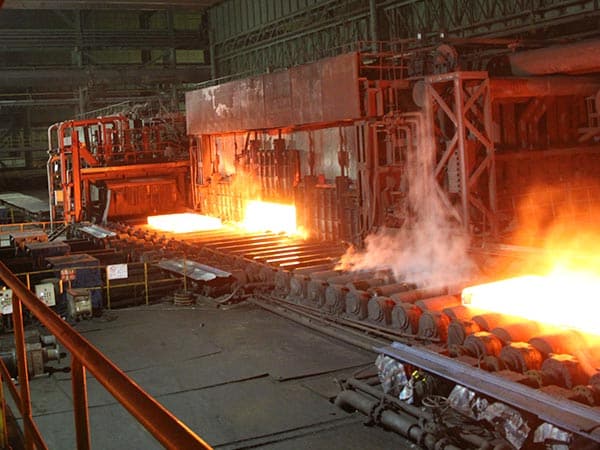
Understanding the Essence of B750L Structural Steel
In the evolving landscape of industrial metallurgy, B750L structural steel stands out as a pinnacle of high-strength low-alloy (HSLA) materials. While many engineers focus solely on the numerical yield strength, the most important characteristic of B750L for cold forming is actually the synergy between its high yield strength and its exceptional elongation properties. This balance allows the material to undergo complex shaping processes without the risk of micro-cracking or structural failure. B750L is specifically engineered to meet the rigorous demands of weight reduction and structural integrity, particularly where cold processing is the primary manufacturing method.
The Metallurgical Foundation: Micro-Alloying and Grain Refinement
The performance of B750L is not accidental; it is the result of precise chemical engineering. By utilizing trace amounts of niobium (Nb), vanadium (V), and titanium (Ti), manufacturers achieve a refined grain structure. This micro-alloying technique is crucial for cold forming because finer grains provide more barriers to dislocation movement, which increases strength while maintaining the ductility necessary for bending and stretching. Unlike traditional carbon steels, B750L maintains a low carbon equivalent, which significantly enhances its weldability and toughness at low temperatures.
| Chemical Element | Content (%) Max | Role in Cold Forming |
|---|---|---|
| Carbon (C) | 0.12 | Ensures weldability and prevents brittleness. |
| Manganese (Mn) | 2.00 | Increases strength and improves hardenability. |
| Silicon (Si) | 0.50 | Provides solid solution strengthening. |
| Niobium (Nb) / Titanium (Ti) | 0.15 / 0.20 | Refines grain size for superior ductility. |
Mechanical Properties: The Critical Thresholds
For structural applications, the mechanical reliability of B750L is paramount. With a minimum yield strength of 750 MPa, it provides the necessary load-bearing capacity for heavy-duty frameworks. However, the elongation (A80mm), typically exceeding 12-15%, is what defines its success in the press shop. This elongation allows for tight bending radii, which is essential for creating compact and efficient structural components. The ratio between yield strength and tensile strength (yield ratio) is kept within an optimal range to ensure predictable springback behavior during cold forming operations.
- Yield Strength (ReH): ≥ 750 MPa
- Tensile Strength (Rm): 800 - 950 MPa
- Elongation (A80): ≥ 12%
- Bending Radius (180°): 2.0 - 3.0 times the thickness (depending on orientation)
Cold Forming Performance: Beyond Simple Bending
Cold forming involves more than just simple 90-degree bends. It includes deep drawing, hole expansion, and complex flanging. B750L excels in these areas due to its high hole expansion ratio. In automotive chassis manufacturing, for instance, holes are often punched and then expanded to form mounting points. A material with poor edge ductility would fail during this process. B750L's inclusion control—specifically the reduction of sulfur and phosphorus—minimizes non-metallic inclusions that could act as crack initiation sites during high-strain cold work.
Furthermore, the work-hardening exponent (n-value) of B750L is carefully controlled. A consistent n-value ensures that strain is distributed uniformly across the part during forming, preventing localized thinning or "necking." This uniformity is what allows manufacturers to push the limits of design, creating thinner yet stronger components that contribute to overall vehicle or machinery efficiency.
Environmental Adaptability and Fatigue Resistance
Structural components made from B750L are often exposed to harsh environments and cyclic loading. The atmospheric corrosion resistance of this steel is enhanced by its specific alloy composition, which forms a dense protective oxide layer. More importantly, the fatigue strength of B750L is significantly higher than that of standard structural steels. Because cold forming introduces residual stresses, the material's ability to resist fatigue crack propagation is vital for the long-term safety of cranes, trailers, and heavy equipment frames.
Optimizing the Manufacturing Workflow
When working with B750L, the choice of tooling and lubrication becomes critical. Due to its high strength, the forming forces required are substantially higher than those for conventional S355 or S420 grades. Using high-performance lubricants and hardened tool steels helps mitigate tool wear and improves the surface finish of the formed parts. Additionally, understanding the anisotropy of the material—how its properties differ in the longitudinal versus transverse directions—is essential for optimizing the blank layout and minimizing scrap rates.
Strategic Application in Heavy Industry
The shift toward B750L is driven by the global demand for "lightweighting." In the heavy truck industry, replacing traditional structural steel with B750L can reduce frame weight by up to 20% without sacrificing payload capacity or safety. This weight reduction directly translates to lower fuel consumption and reduced carbon emissions. Beyond transportation, B750L is increasingly used in the renewable energy sector for solar tracking structures and wind turbine components, where high strength-to-weight ratios and ease of onsite cold assembly are highly valued.
The most important characteristic of B750L is its predictable performance under extreme strain. It bridges the gap between the rigid strength of high-carbon steels and the versatile formability of mild steels, providing a sophisticated solution for the next generation of structural engineering challenges. By mastering the cold forming parameters of B750L, manufacturers can achieve unprecedented levels of efficiency and durability in their finished products.
Leave a message