
What is the ZQS700L automobile structure steel plate hot rolling
Explore the technical specifications, mechanical properties, and industrial applications of ZQS700L hot-rolled high-strength steel for automotive structures.
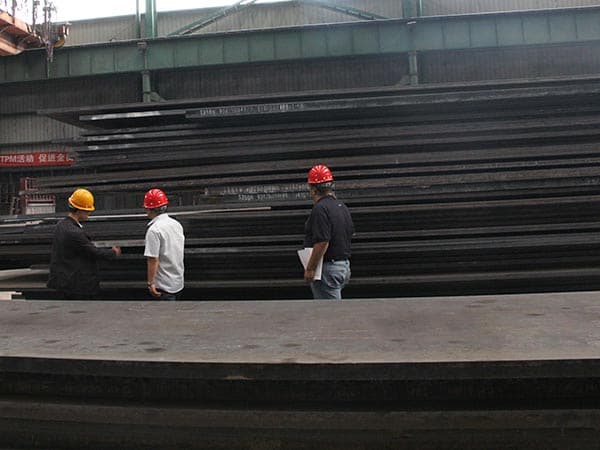
The Evolution of ZQS700L in Modern Vehicle Manufacturing
ZQS700L is a high-strength low-alloy (HSLA) hot-rolled steel plate specifically engineered for the demanding requirements of the automotive industry. The nomenclature itself reveals its core identity: 'ZQS' typically refers to the manufacturer's specific enterprise standard for automotive structural steel, '700' denotes a minimum yield strength of 700 MPa, and 'L' signifies its optimized performance for cold forming and longitudinal processing. This material represents a significant leap from traditional carbon steels, offering a unique combination of extreme strength and remarkable ductility.
The development of ZQS700L was driven by the global push for vehicle lightweighting. By utilizing steel with higher load-bearing capacities, engineers can reduce the thickness of structural components without compromising safety or structural integrity. This weight reduction directly translates to improved fuel efficiency and increased payload capacity for commercial vehicles, making ZQS700L a cornerstone of modern transportation engineering.
Chemical Composition and Metallurgical Strengthening
The exceptional performance of ZQS700L is not accidental; it is the result of precise metallurgical design. Unlike standard mild steels, ZQS700L utilizes a micro-alloying strategy that incorporates elements such as Niobium (Nb), Vanadium (V), and Titanium (Ti). These elements play a critical role during the hot rolling process by refining the grain structure and providing precipitation hardening.
| Element | Carbon (C) | Silicon (Si) | Manganese (Mn) | Phosphorus (P) | Sulfur (S) | Nb+V+Ti |
|---|---|---|---|---|---|---|
| Max Content (%) | 0.12 | 0.50 | 2.10 | 0.025 | 0.015 | ≤ 0.22 |
Low carbon content is strictly maintained to ensure excellent weldability, while Manganese is used to enhance hardenability and solid solution strengthening. The micro-alloying elements (Nb, Ti, V) form stable carbides and nitrides that pin grain boundaries during the recrystallization phase of hot rolling. This results in an ultra-fine ferrite grain size, which is the only mechanism that simultaneously increases both strength and toughness.
Mechanical Properties and Performance Benchmarks
The defining characteristic of ZQS700L is its mechanical profile. It is classified under the high-yield-strength category, often compared to the European S700MC standard. The balance between high yield strength and elongation allows for complex part geometries that were previously impossible with high-strength materials.
- Yield Strength (ReH): ≥ 700 MPa. This ensures the component can withstand significant stress without permanent deformation.
- Tensile Strength (Rm): 750 – 950 MPa. This provides a high safety margin against ultimate structural failure.
- Elongation (A50mm): ≥ 12-14% (depending on thickness). This level of ductility is crucial for energy absorption during impact.
- Impact Toughness: Excellent low-temperature impact resistance, often tested at -20°C or -40°C to ensure performance in harsh climates.
These properties make ZQS700L ideal for components that are subject to dynamic loads and fatigue. The high yield-to-tensile ratio indicates a material that is highly efficient in its load-bearing capacity, allowing for aggressive design optimizations.
Advanced Processing: Welding, Bending, and Cutting
One of the primary advantages of ZQS700L is its processing versatility. Despite its high strength, it behaves predictably during fabrication. The 'L' designation highlights its suitability for cold bending. For a 700 MPa steel, the ability to achieve tight bend radii without cracking is a testament to its clean steel chemistry and fine microstructure.
Cold Bending: When bending ZQS700L, it is recommended to use a punch radius that is at least 1.5 to 2 times the plate thickness. This prevents localized strain concentrations. The material exhibits consistent springback, which can be easily compensated for in automated CNC bending processes.
Welding Compatibility: ZQS700L features a low carbon equivalent (Ceq), which significantly reduces the risk of cold cracking in the heat-affected zone (HAZ). It can be welded using standard methods such as MAG (Metal Active Gas), TIG (Tungsten Inert Gas), and laser welding. High-strength filler metals matching the 700 MPa grade should be used to maintain joint efficiency. Because of its micro-alloyed nature, excessive heat input should be avoided to prevent grain coarsening in the HAZ, which could lead to a localized drop in toughness.
Laser and Plasma Cutting: The material's flat surface and consistent internal stress levels make it highly suitable for high-speed laser cutting. It produces clean edges with minimal dross, reducing the need for secondary grinding operations.
Strategic Application in Heavy-Duty Transportation
The application of ZQS700L is most prominent in the commercial vehicle and heavy machinery sectors. Its high strength-to-weight ratio is a game-changer for manufacturers looking to improve the efficiency of their fleets.
- Truck Chassis and Crossbeams: The main longitudinal beams of heavy trucks bear the entire weight of the cargo. Using ZQS700L allows for thinner beams that can handle higher payloads while resisting fatigue from road vibrations.
- Crane Booms and Lifting Equipment: For mobile cranes, every kilogram saved on the boom translates to increased lifting height and capacity. ZQS700L provides the necessary stiffness and strength for these critical telescopic structures.
- Agricultural Machinery: Modern harvesters and plows require materials that can withstand abrasive soil contact and high mechanical stress. ZQS700L offers the durability needed for long-term service in the field.
- Container Frames: Lightweight shipping containers and specialized transport racks benefit from the reduced tare weight provided by 700 MPa steel.
Environmental Resilience and Lifecycle Benefits
Beyond its mechanical prowess, ZQS700L offers significant environmental advantages. The reduction in vehicle weight leads to a direct decrease in CO2 emissions during the operational phase of the vehicle. Furthermore, the durability of HSLA steel extends the service life of components, reducing the frequency of replacements and the overall consumption of raw materials.
The atmospheric corrosion resistance of ZQS700L is generally superior to that of plain carbon steel due to its specific alloying elements. While it is not a 'weathering steel' in the strictest sense, its dense surface oxide layer provides a better substrate for modern cathodic dip painting (KTL) and powder coating systems, ensuring long-term protection against the elements.
Economic Value Proposition
While the per-ton cost of ZQS700L is higher than that of standard Q355B or S355 grade steels, the total cost of ownership is often lower. By reducing the material thickness from, for example, 10mm to 6mm, manufacturers can achieve a 40% reduction in material weight. This not only offsets the higher unit price but also reduces welding consumables, transportation costs, and energy consumption during fabrication. The market shift towards ZQS700L is a reflection of a mature manufacturing philosophy that prioritizes efficiency, safety, and long-term performance over initial raw material costs.
As the automotive and construction industries continue to evolve, the role of ZQS700L will only expand. Its ability to meet the rigorous demands of safety-critical structural parts while enabling the next generation of lightweight designs makes it an indispensable asset in the global steel portfolio.
Leave a message