
1.0972 alloy steel plate equivalent ASME material
Explore the comprehensive technical analysis of 1.0972 (S355MC) alloy steel, including its ASME/ASTM equivalents, chemical properties, and industrial applications.
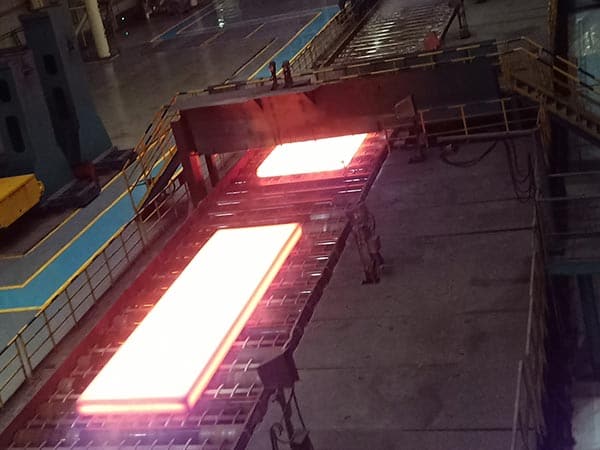
Understanding the Metallurgy of 1.0972 (S355MC) Steel
1.0972, commonly recognized under the EN 10149-2 standard as S355MC, represents a pinnacle of thermomechanically rolled steel technology. This material is engineered for cold-forming applications where high yield strength and excellent ductility are paramount. Unlike traditional hot-rolled steels, 1.0972 undergoes a specific cooling process during rolling that refines its grain structure, resulting in a fine-grained ferritic-pearlitic matrix. This microstructural refinement allows the steel to achieve a minimum yield strength of 355 MPa while maintaining a low carbon equivalent, which is essential for weldability and formability.
Identifying the ASME/ASTM Equivalent for 1.0972
Engineers working across international borders often need to cross-reference 1.0972 with American standards. The most direct equivalent in the ASME/ASTM system is ASTM A1011 HSLAS Class 1 Grade 50 for thin sheets, or ASTM A656 Grade 50 for thicker plates. While these materials are not identical in every chemical specification, they share the core mechanical performance metrics required for structural and automotive applications. Specifically, ASME SA-1011 Grade 50 provides a comparable yield point and elongation profile, making it the primary substitute in pressure vessel-related secondary structures or heavy equipment frames designed under North American codes.
| Standard | Grade Designation | Yield Strength (min) | Tensile Strength |
|---|---|---|---|
| EN 10149-2 | 1.0972 (S355MC) | 355 MPa | 430 - 550 MPa |
| ASTM A1011 | HSLAS Grade 50 Class 1 | 345 MPa (50 ksi) | 450 MPa (65 ksi) |
| ASTM A656 | Grade 50 | 345 MPa (50 ksi) | 415 MPa (60 ksi) |
Chemical Composition and Micro-Alloying Strategy
The superior performance of 1.0972 is not accidental; it is the result of a precise chemical balance. The carbon content is strictly limited to approximately 0.12%, which significantly enhances the steel's weldability and reduces the risk of cold cracking. To compensate for the low carbon, micro-alloying elements such as Niobium (Nb), Titanium (Ti), and Vanadium (V) are added. These elements form fine carbides and nitrides that pin grain boundaries during the rolling process, preventing grain growth and enhancing strength through precipitation hardening. Manganese levels are maintained around 1.50% to improve hardenability and solid solution strengthening without compromising toughness.
- Carbon (C): ≤ 0.12% - Ensures excellent weldability and prevents brittleness.
- Manganese (Mn): ≤ 1.50% - Increases strength and assists in deoxidation.
- Silicon (Si): ≤ 0.50% - Acts as a deoxidizer and provides solid solution strengthening.
- Phosphorus (P) & Sulfur (S): Kept at extremely low levels (≤ 0.025% and ≤ 0.020%) to ensure internal cleanliness and prevent hot shortness.
- Aluminium (Al): ≥ 0.015% - Used for grain size control.
Mechanical Properties and Cold Forming Capabilities
The "MC" suffix in S355MC denotes its suitability for cold forming. 1.0972 steel plates exhibit a high degree of uniformity in their mechanical properties across the entire surface. The elongation values, typically exceeding 19% for thicknesses under 3mm, allow for complex bending and folding operations without the risk of surface tearing or edge cracking. This makes it an ideal candidate for chassis components, crane booms, and structural sections where weight reduction is achieved through the use of thinner, higher-strength materials. The impact energy values are also noteworthy, often tested at -20°C to ensure the material remains ductile in cold climates.
Advanced Processing: Welding and Laser Cutting
Processing 1.0972 requires an understanding of its thermomechanical history. Because the strength is derived from grain refinement and micro-alloying rather than high carbon content, the heat-affected zone (HAZ) during welding remains relatively tough. Standard welding processes such as MAG (Metal Active Gas), submerged arc welding, and laser welding are highly effective. It is recommended to use low-hydrogen consumables to maintain the integrity of the joint. Furthermore, the low impurity levels and fine grain structure make 1.0972 exceptionally well-suited for high-precision laser cutting. The resulting edges are clean with minimal dross, reducing the need for secondary grinding or finishing operations.
Environmental Adaptability and Corrosion Considerations
While 1.0972 is not a dedicated weathering steel like Corten, its dense microstructure provides a baseline level of atmospheric corrosion resistance superior to standard carbon steels. However, for applications exposed to harsh marine or industrial environments, protective coatings such as hot-dip galvanizing or high-performance epoxy primers are recommended. The steel's surface chemistry is compatible with modern zinc-coating processes, ensuring a strong metallurgical bond that extends the service life of the component. Its performance in low-temperature environments is a significant advantage for mobile machinery operating in northern latitudes, where brittle fracture is a constant concern for lower-grade steels.
Strategic Applications in Modern Engineering
The shift toward lightweighting in the transportation sector has propelled 1.0972 into the spotlight. By replacing standard S235 or A36 steels with 1.0972, manufacturers can reduce the thickness of structural members by up to 30% while maintaining the same load-bearing capacity. This translates directly to increased fuel efficiency for vehicles and higher lifting capacities for mobile cranes. In the agricultural sector, the abrasion resistance provided by the higher hardness of S355MC compared to mild steel makes it a preferred choice for plow components and trailer frames. The synergy of strength, formability, and weldability ensures that 1.0972 remains a versatile tool in the engineer's palette.
Procurement and Quality Assurance Metrics
When sourcing 1.0972 or its ASME equivalents, it is critical to verify the Mill Test Certificate (MTC) for compliance with EN 10149-2. Key data points to inspect include the rolling condition (thermomechanical), the grain size index, and the results of the cold-bend test. For projects requiring ASME compliance, ensure the material is dual-certified or that the chemical and mechanical properties align with the specific ASTM A1011 or A656 requirements. Quality assurance should also focus on surface finish, as cold-forming steels require a scale-free surface to prevent tool wear and ensure coating adhesion. Reliable suppliers will provide ultrasonic testing (UT) results if the plate thickness exceeds certain thresholds to guarantee internal soundness.
Leave a message