
B750L thermomechanically processed yield reached the leading level in China
Explore the advanced properties of B750L thermomechanically processed steel, focusing on its 750MPa yield strength, superior weldability, and applications in heavy-duty automotive structures.
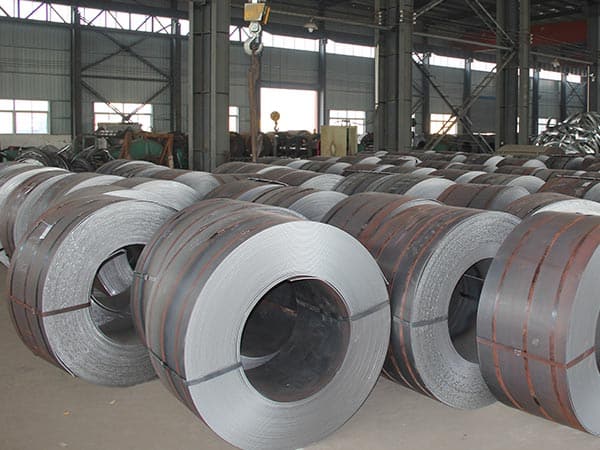
The Evolution of B750L: High-Strength Structural Steel Performance
nThe demand for lightweight materials in the automotive and heavy machinery industries has driven the development of high-strength low-alloy (HSLA) steels. Among these, B750L has emerged as a benchmark for performance, particularly through the application of Thermomechanically Controlled Processing (TMCP). This grade is specifically engineered to provide a minimum yield strength of 750 MPa, a feat that places it at the forefront of domestic steel production capabilities. By optimizing the micro-alloying elements and the rolling process, B750L offers a unique combination of high strength, excellent ductility, and superior weldability, making it indispensable for modern structural engineering.
nAdvanced Metallurgical Design and TMCP Technology
nThe secret behind the leading performance of B750L lies in its sophisticated chemical composition and the precision of its manufacturing process. Unlike traditional hot-rolled steels that rely solely on carbon content for strength, B750L utilizes a low-carbon, micro-alloyed design. Elements such as Niobium (Nb), Vanadium (V), and Titanium (Ti) are added in precise amounts to facilitate grain refinement and precipitation hardening.
nThe TMCP process is the cornerstone of B750L production. It involves controlled rolling at specific temperature ranges followed by accelerated cooling. This process suppresses the growth of austenite grains and promotes the formation of a fine-grained ferrite and pearlite (or bainite) microstructure. The resulting grain refinement is the only strengthening mechanism that simultaneously improves both strength and toughness. By reaching the leading level in China, the TMCP technology used for B750L ensures that the steel maintains high yield ratios without sacrificing the energy absorption capacity required for safety-critical components.
nMechanical Properties and Material Standards
nB750L is characterized by its exceptional mechanical profile. For engineers and designers, the predictability of these properties is essential for ensuring the structural integrity of heavy-duty vehicles and equipment. Below is a detailed breakdown of the typical mechanical properties of B750L:
n| Property Parameter | nStandard Value (Typical) | nPerformance Significance | n
|---|---|---|
| Yield Strength (ReH) | n≥ 750 MPa | nEnsures high load-bearing capacity and structural stability. | n
| Tensile Strength (Rm) | n820 - 980 MPa | nProvides ultimate resistance against fracture. | n
| Elongation (A50mm) | n≥ 12% | nGuarantees sufficient plasticity for complex forming. | n
| Impact Energy (-20°C) | n≥ 40 J | nEnsures safety in low-temperature environments. | n
| Cold Bending (180°) | nd = 3a | nIndicates excellent cold-forming and processing capabilities. | n
Exceptional Processing Performance: Welding and Forming
nOne of the primary challenges with high-strength steel is maintaining workability. B750L overcomes this through its low carbon equivalent (Ceq). Traditional high-strength steels often require preheating before welding to prevent cold cracking, but the optimized chemistry of B750L allows for excellent weldability using standard industrial methods such as MAG (Metal Active Gas) or SMAW (Shielded Metal Arc Welding). The heat-affected zone (HAZ) of B750L retains much of its original toughness, preventing brittle failures at the joints.
nIn terms of forming, B750L exhibits remarkable cold-bending performance. Despite its high yield strength, the material can be bent to tight radii without surface cracking or springback issues. This is particularly beneficial for the manufacturing of complex longitudinal beams and cross-members in commercial vehicle frames. The consistency of the material ensures that automated production lines can operate with high efficiency and minimal waste.
nEnvironmental Adaptability and Durability
nStructural components made from B750L are often exposed to harsh environmental conditions, ranging from corrosive road salts to sub-zero temperatures in arctic regions. The micro-alloying strategy of B750L includes trace amounts of corrosion-resistant elements that enhance its atmospheric durability. Furthermore, the fine-grained microstructure resulting from the TMCP process provides superior resistance to fatigue and stress corrosion cracking.
n- n
- Low-Temperature Toughness: The material remains ductile even at -40°C, making it suitable for global export markets. n
- Fatigue Resistance: High yield strength translates to a higher fatigue limit, extending the service life of chassis components. n
- Surface Quality: The controlled rolling process results in a clean surface with minimal scale, facilitating better paint adhesion and coating performance. n
Expanding Industry Applications
nThe successful implementation of B750L with domestic leading yield strength has revolutionized several industrial sectors. Its primary application is in the commercial vehicle industry, specifically for the fabrication of lightweight truck frames. By replacing lower-grade steels (like Q345 or Q460) with B750L, manufacturers can reduce the weight of a vehicle frame by up to 20-30% while maintaining the same load capacity. This weight reduction directly translates to lower fuel consumption and increased payload, providing a significant economic advantage for logistics operators.
nBeyond automotive, B750L is increasingly utilized in construction machinery. Crane booms, concrete pump trucks, and telescopic handlers benefit from the high strength-to-weight ratio of B750L. The ability to design longer, lighter booms without compromising safety is a direct result of the material's advanced yield properties. Additionally, the mining industry uses B750L for structural supports and heavy-duty conveyors where durability and impact resistance are paramount.
nTechnical Comparison and Market Value
nWhen compared to traditional quenched and tempered (Q&T) steels, B750L produced via TMCP offers several advantages. The TMCP route is more energy-efficient, as it eliminates the need for secondary heat treatment cycles. This not only reduces the carbon footprint of the production process but also lowers the overall cost of the material. For end-users, B750L provides a cost-effective alternative to expensive high-alloy steels, delivering "leading level" performance at a competitive price point.
nThe reliability of B750L is further supported by rigorous quality control standards. Each batch undergoes ultrasonic testing and mechanical verification to ensure that the yield strength consistently meets the 750 MPa threshold. This commitment to quality has established B750L as a trusted material for engineers who demand the highest standards of safety and efficiency in their designs.
nFuture Perspectives on High-Strength Steel
nThe achievement of leading domestic levels for B750L is not the end of the journey. Research continues into ultra-high-strength grades exceeding 1000 MPa, but B750L remains the "sweet spot" for many structural applications due to its balanced profile. As the industry moves toward greener manufacturing and stricter emissions standards, the role of B750L in facilitating lightweighting will only grow. Its combination of metallurgical innovation, processing excellence, and practical utility ensures its place as a cornerstone of modern industrial development.
Leave a message