
Do you know the 1.8969 high yield strength alloy quality steel thickness range
Explore the technical specifications, thickness range, and mechanical properties of 1.8969 (S355J2W) weathering steel. This guide covers yield strength, corrosion resistance, and industrial applications.
Understanding the 1.8969 Grade: The Pinnacle of Weathering Steel
The material 1.8969, designated as S355J2W under the EN 10025-5 standard, represents a sophisticated class of structural steel known for its atmospheric corrosion resistance. Often referred to as weathering steel, this alloy is engineered to develop a protective oxide layer, or patina, when exposed to the environment. Unlike conventional carbon steels that suffer from progressive oxidation, 1.8969 utilizes its alloying elements to arrest the corrosion process, making it a preferred choice for long-term infrastructure projects. The high yield strength of this quality steel ensures that it can support significant loads while maintaining a relatively low weight profile, a critical factor in modern engineering design.
The Critical Thickness Range of 1.8969 Steel
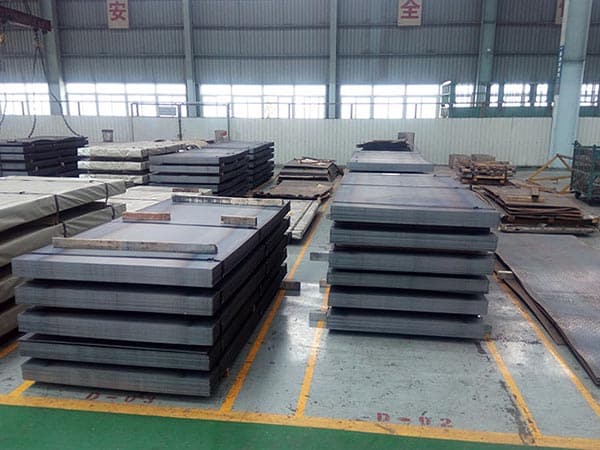
When discussing the thickness range of 1.8969, it is essential to recognize that this material is produced in various forms, including hot-rolled plates, wide strips, and sections. The standard thickness range for 1.8969 plates typically spans from 2mm to 150mm, although specialized mills can produce heavy plates reaching up to 200mm or more for specific heavy-duty applications. For thinner applications, such as architectural cladding or decorative facades, sheets as thin as 2mm to 3mm are common. Conversely, for structural bridge girders or industrial containers, thicknesses between 20mm and 80mm are frequently utilized. The availability of these thicknesses allows engineers to optimize material usage, ensuring that each component of a structure has the necessary strength without unnecessary bulk.
Mechanical Properties and Thickness Correlation
A defining characteristic of 1.8969 is the relationship between its thickness and its yield strength. As with most hot-rolled structural steels, the minimum yield strength (Reh) decreases as the thickness of the material increases. This phenomenon is due to the slower cooling rates experienced by thicker sections during the rolling process, which affects the grain structure of the steel. The following table outlines the mechanical requirements for 1.8969 across different thickness intervals:
| Thickness (mm) | Min Yield Strength (MPa) | Tensile Strength (MPa) | Min Elongation (%) |
|---|---|---|---|
| ≤ 16 | 355 | 470 - 630 | 22 |
| 16 < t ≤ 40 | 345 | 470 - 630 | 22 |
| 40 < t ≤ 63 | 335 | 470 - 630 | 21 |
| 63 < t ≤ 80 | 325 | 470 - 630 | 20 |
| 80 < t ≤ 100 | 315 | 470 - 630 | 20 |
| 100 < t ≤ 150 | 295 | 450 - 600 | 18 |
The "J2" designation in S355J2W indicates that the steel must meet a minimum impact energy of 27 Joules at -20°C. This ensures that the material remains ductile and resistant to brittle fracture even in cold climates, which is a vital safety requirement for bridges and offshore structures.
Chemical Composition and Atmospheric Corrosion Resistance
The superior performance of 1.8969 is rooted in its precise chemical makeup. By adding specific amounts of copper, chromium, nickel, and phosphorus, the steel gains its "weathering" properties. These elements promote the formation of a dense, adherent rust layer that acts as a barrier against moisture and oxygen. The typical chemical composition for 1.8969 is as follows:
- Carbon (C): Max 0.16% - ensures weldability and prevents excessive hardness.
- Manganese (Mn): 0.50% to 1.50% - improves strength and toughness.
- Silicon (Si): Max 0.50% - acts as a deoxidizer.
- Chromium (Cr): 0.40% to 0.80% - enhances corrosion resistance and hardness.
- Copper (Cu): 0.25% to 0.55% - the primary element for patina formation.
- Nickel (Ni): Max 0.65% - improves low-temperature impact toughness.
- Phosphorus (P): Max 0.030% - assists in the development of the protective layer.
The synergy between these elements allows 1.8969 to be used in an unpainted state in many environments, significantly reducing maintenance costs over the lifecycle of a structure. However, it is important to avoid environments with high concentrations of chlorides, such as coastal areas with heavy salt spray, as this can interfere with the stability of the patina.
Processing and Fabrication Guidelines
Working with 1.8969 requires an understanding of its metallurgical properties, especially when dealing with thicker plates. The material can be cut using standard methods such as oxygen-fuel, plasma, or laser cutting. Due to the alloying elements, the heat-affected zone (HAZ) can become hardened, so preheating is often recommended for thicknesses exceeding 25mm to prevent cold cracking. Welding 1.8969 is straightforward, provided that the correct consumables are used. To ensure that the weld metal possesses the same weathering characteristics as the base material, electrodes and wires should contain approximately 1% nickel and 0.5% copper. If the weld is purely structural and will be painted, standard S355 consumables may suffice, but for exposed weathering applications, matching the chemistry is non-negotiable.
Environmental Adaptability and Aesthetic Appeal
Beyond its mechanical prowess, 1.8969 is celebrated for its evolving aesthetic. When first installed, the steel has a typical metallic grey appearance. Over several months of exposure to wetting and drying cycles, it transitions through shades of orange and reddish-brown before finally stabilizing into a deep chocolate brown or dark purple hue. This natural transformation is highly sought after by architects for bridges, sculptures, and building facades, as it blends harmoniously with natural landscapes. Furthermore, the elimination of the need for VOC-heavy paints makes 1.8969 an environmentally conscious choice for sustainable construction projects.
Industrial Applications Across Sectors
The versatility of 1.8969 high yield strength alloy quality steel makes it indispensable across multiple industries. In bridge engineering, it is used for primary load-bearing girders where long-term durability and minimal maintenance are paramount. The railway industry utilizes this grade for the construction of freight wagons and containers, where the combination of high strength and corrosion resistance extends the service life of the rolling stock. Additionally, industrial chimneys, outdoor storage tanks, and transmission towers benefit from the atmospheric protection provided by the 1.8969 grade. By selecting the appropriate thickness from the wide range available, designers can achieve the perfect balance between structural safety, economic efficiency, and longevity.
Leave a message