
Effect of alloy elements on mechanical properties of ZQS700L plate
Detailed analysis of how carbon, manganese, and micro-alloying elements like Nb, Ti, and V influence the mechanical and processing properties of ZQS700L high-strength steel plates.
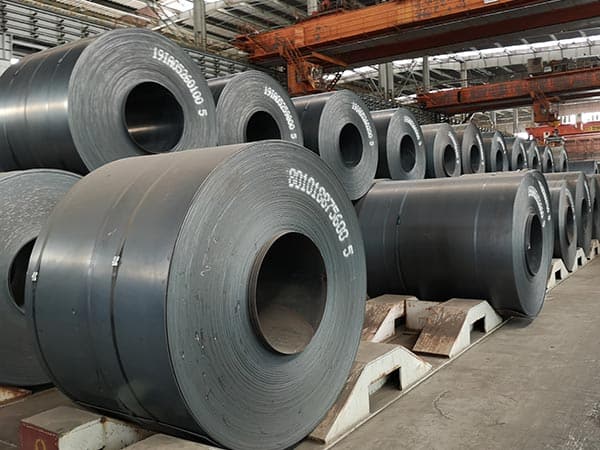
Core Characteristics and Metallurgical Foundation of ZQS700L
ZQS700L represents a sophisticated category of high-strength low-alloy (HSLA) steel specifically engineered for the automotive and heavy machinery sectors. The designation 700 signifies a minimum yield strength of 700 MPa, while the L suffix indicates its superior suitability for cold-forming operations. The development of ZQS700L is not merely about increasing hardness; it is a delicate balance of chemical composition and thermo-mechanical controlled processing (TMCP) designed to meet the rigorous demands of modern structural engineering. By meticulously controlling the presence of specific alloy elements, manufacturers can produce a material that offers high load-bearing capacity while maintaining the ductility necessary for complex shaping.
The Role of Carbon and Manganese in Strength Optimization
Carbon (C) is the primary strengthening element in ZQS700L. In this specific grade, carbon content is typically kept below 0.12% to ensure excellent weldability and toughness. While carbon increases the strength of the ferrite matrix through solid solution strengthening and the formation of pearlite, excessive amounts would lead to brittle behavior and poor cold-forming characteristics. Manganese (Mn), usually present in concentrations between 1.5% and 2.0%, serves a dual purpose. It acts as a solid solution strengthener and significantly improves the hardenability of the steel. More importantly, manganese combines with sulfur to form manganese sulfides (MnS), which prevents hot shortness during the rolling process. The synergy between C and Mn establishes the baseline tensile strength required for heavy-duty applications.
Micro-alloying Elements: The Science of Grain Refinement
The exceptional yield strength of ZQS700L is largely attributed to the addition of micro-alloying elements such as Niobium (Nb), Titanium (Ti), and Vanadium (V). These elements, even in minute quantities (often less than 0.20% combined), exert a profound influence on the microstructure.
- Niobium (Nb): Nb is critical for grain refinement. It raises the recrystallization temperature of austenite, allowing for controlled rolling at lower temperatures. This results in an extremely fine-grained ferrite structure upon cooling, which simultaneously increases strength and impact toughness.
- Titanium (Ti): Ti is primarily used for its strong affinity with nitrogen and carbon. It forms stable TiN and TiC particles that prevent grain growth during high-temperature processing and welding, ensuring that the heat-affected zone (HAZ) retains its mechanical integrity.
- Vanadium (V): V contributes through precipitation hardening. During the cooling phase, vanadium carbides and nitrides precipitate within the ferrite grains, creating obstacles for dislocation movement and further boosting the yield point.
Technical Specifications and Mechanical Performance
The mechanical properties of ZQS700L are the direct result of its chemical architecture. Below is a detailed overview of the typical chemical composition and the resulting mechanical attributes. These values are essential for engineers when calculating safety factors and load limits for structural components.
| Element/Property | Chemical Composition (%) | Mechanical Attribute | Value Range |
|---|---|---|---|
| Carbon (C) | ≤ 0.12 | Yield Strength (ReH) | 700 - 820 MPa |
| Manganese (Mn) | ≤ 2.10 | Tensile Strength (Rm) | 750 - 950 MPa |
| Silicon (Si) | ≤ 0.50 | Elongation (A50mm) | ≥ 12% |
| Nb + Ti + V | ≤ 0.22 | Cold Bending (180°) | d=3a (Passed) |
Cold Forming and Processing Adaptability
Unlike traditional high-strength steels that may crack during bending, ZQS700L is optimized for cold processing. The low carbon equivalent (Ceq) ensures that the material remains ductile even after significant deformation. This is particularly vital for the manufacturing of truck chassis, crane booms, and complex structural brackets. The inclusion of Silicon (Si) helps in deoxidation and provides additional solid solution strengthening without compromising the surface quality required for painting or galvanizing. Furthermore, the precise control of Phosphorus (P) and Sulfur (S) levels—keeping them at ultra-low concentrations—minimizes non-metallic inclusions, which are often the starting points for fatigue cracks during the bending process.
Environmental Resilience and Fatigue Resistance
ZQS700L is frequently utilized in outdoor environments where it is subjected to cyclic loading and corrosive elements. The fine-grained structure provided by Nb and Ti micro-alloying enhances the fatigue limit of the steel, making it highly resistant to the initiation and propagation of cracks under repetitive stress. While it is not a dedicated weathering steel, the dense microstructure and specific alloy balance provide a better baseline resistance to atmospheric corrosion compared to standard carbon steels. For extreme environments, the surface of ZQS700L plates can be easily treated with protective coatings, as the alloy composition does not interfere with the adhesion of modern industrial primers.
Strategic Application in Heavy Industry
The high strength-to-weight ratio of ZQS700L makes it a preferred choice for industries looking to reduce vehicle weight and increase fuel efficiency. In the transport sector, using 700MPa steel instead of conventional 355MPa steel can reduce the weight of a trailer frame by up to 30% without sacrificing load capacity.
- Automotive Engineering: Used for high-stress components like longitudinal beams, cross members, and bumper reinforcements.
- Lifting Equipment: Essential for the telescopic sections of mobile cranes and the arms of concrete pump trucks where weight reduction at height is critical.
- Construction Machinery: Applied in the fabrication of excavator buckets, dump truck bodies, and mining equipment where both strength and abrasion resistance are valued.
Future Outlook on High-Strength Alloy Development
As global standards for energy efficiency and carbon reduction become more stringent, the role of alloy elements in steels like ZQS700L will continue to evolve. The focus is shifting toward even leaner alloy designs that utilize recycled scrap without compromising the purity of the final product. Advanced cooling technologies during the rolling process are being paired with optimized micro-alloying strategies to push the boundaries of what ZQS700L can achieve, potentially leading to grades with even higher ductility at the 700MPa level. This ongoing innovation ensures that ZQS700L remains a cornerstone of sustainable and high-performance structural engineering.
Leave a message