
Cause analysis of slag hanging in S500MC farm machinery steel cutting process
Detailed technical analysis of slag hanging issues during S500MC high-strength steel cutting for agricultural machinery, covering material properties, gas dynamics, and process parameters.
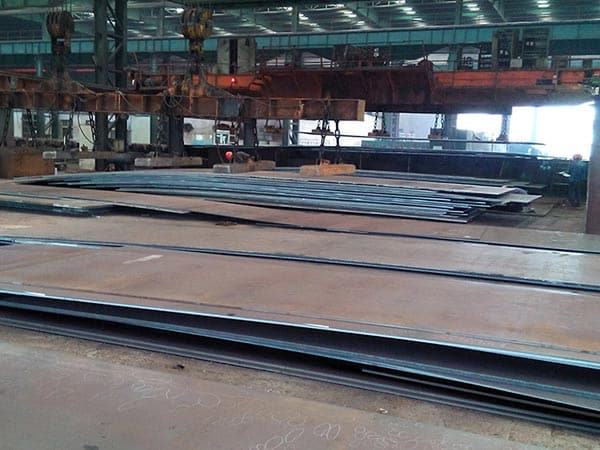
Understanding the Material Characteristics of S500MC in Thermal Cutting
S500MC is a high-strength, thermomechanically rolled steel specifically designed for cold forming, widely utilized in the agricultural machinery industry for components like chassis frames, support arms, and structural brackets. Its yield strength of at least 500 MPa allows for weight reduction while maintaining structural integrity. However, the very metallurgical properties that make it desirable—such as its fine-grained structure and specific alloying elements—introduce unique challenges during thermal cutting processes like laser, plasma, or flame cutting. Slag hanging, or dross formation, is the most common defect that compromises edge quality and increases post-processing costs.
The chemical composition of S500MC, particularly the levels of Carbon (C), Manganese (Mn), and Silicon (Si), plays a critical role in the viscosity of the molten pool. When a high-energy beam melts the steel, the fluidity of this liquid metal determines how easily it can be ejected by the assist gas. If the viscosity is too high or the surface tension prevents droplet detachment, the metal adheres to the bottom edge of the cut, forming stubborn slag. For agricultural machinery manufacturers, this slag is not merely an aesthetic issue; it can act as a stress concentrator, leading to fatigue failure in equipment subjected to high vibration and heavy loads.
The Impact of Assist Gas Dynamics on Slag Formation
Assist gas is responsible for two primary functions: providing energy through exothermic reactions (in the case of Oxygen) and physically blowing the molten material out of the kerf. In S500MC cutting, the balance between gas pressure and nozzle geometry is paramount. If the gas pressure is insufficient, the kinetic energy of the gas stream cannot overcome the surface tension of the molten S500MC steel, especially as the thickness of the plate increases. Conversely, excessively high pressure can cause turbulence, which disrupts the laminar flow and leads to gas being trapped, ironically resulting in uneven slag distribution.
Oxygen Purity and Pressure: When using Oxygen as an assist gas for S500MC, the purity must be above 99.5%. Impurities like Nitrogen or moisture can reduce the flame temperature and slow down the oxidation reaction, leading to a "gummy" slag that is difficult to remove. Nitrogen High-Pressure Cutting: For manufacturers seeking a clean, oxide-free edge for subsequent welding, Nitrogen is often used. However, because Nitrogen relies purely on mechanical force to eject the melt without the help of exothermic heat, the window for "slag-free" cutting is much narrower. Any slight deviation in focus position or nozzle alignment will immediately result in needle-like dross at the bottom of the S500MC part.
Correlation Between Cutting Speed and Heat Input
The relationship between cutting speed and the Heat Affected Zone (HAZ) is a determining factor in slag accumulation. In the context of S500MC, which relies on a specific thermomechanical grain structure, excessive heat input can locally alter the material properties. If the cutting speed is too slow, the heat accumulates at the kerf edge, causing over-melting. This excess molten metal exceeds the capacity of the gas jet to clear it, leading to thick, rounded slag. On the other hand, if the speed is too high, the cutting front lags behind the beam (high drag), and the molten metal is pulled toward the trailing edge where it cools rapidly and sticks.
For agricultural machinery parts, which often feature complex geometries and tight radii, maintaining a constant speed is difficult. As the cutting head slows down for corners, the slag hanging often becomes more pronounced. Implementing advanced CNC features like power-frequency modulation can help synchronize the energy output with the actual travel speed, mitigating dross in these critical areas.
Nozzle Condition and Focus Position Optimization
The nozzle is the final point of control for the gas jet. For S500MC steel, the nozzle diameter must be matched to the plate thickness. A nozzle that is too small restricts gas volume, while one that is too large reduces the localized pressure needed to clear the kerf. Furthermore, any spatters of metal on the nozzle tip will distort the gas flow, creating an asymmetrical jet that causes slag on only one side of the cut.
The focus position—where the beam diameter is smallest—must be precisely calibrated. For S500MC plates ranging from 4mm to 10mm, a negative focus (focusing inside the material) is generally preferred to widen the bottom of the kerf, making it easier for the slag to be blown out. If the focus is too high, the kerf becomes V-shaped (wider at the top), which naturally traps molten material at the narrow bottom exit.
| Parameter Variable | Effect on S500MC Slag | Recommended Adjustment Strategy |
|---|---|---|
| Cutting Speed | Too fast causes drag slag; too slow causes melting slag. | Find the "sweet spot" where sparks fly vertically downward. |
| Gas Pressure | Low pressure fails to eject melt; high pressure causes turbulence. | Increase pressure incrementally until the bottom edge clears. |
| Focus Position | High focus traps dross at the bottom of the kerf. | Shift focus deeper into the material for thicker S500MC plates. |
| Nozzle Centering | Misalignment causes one-sided slag hanging. | Perform a "tape test" to ensure the beam is perfectly centered. |
Surface Quality and Environmental Factors
The surface condition of S500MC significantly influences the absorption of the laser beam and the flow of the molten pool. S500MC is often supplied as "pickled and oiled" (P&O) or with a hot-rolled black scale. The presence of mill scale (iron oxides) acts as an insulator and an additional source of impurities. During cutting, the scale can flake off or mix with the molten steel, changing its viscosity and leading to irregular slag patterns. For high-precision agricultural components, using pickled S500MC or pre-cleaning the surface to remove rust and heavy oil is essential for achieving a dross-free finish.
Environmental factors, such as the humidity of the compressed air (if used) or the temperature of the workpiece, also play a role. Cold plates can act as a heat sink, causing the molten metal to solidify faster than the gas can remove it. Pre-heating is rarely required for S500MC due to its low carbon equivalent, but ensuring the material is at room temperature and free of moisture is a best practice for consistent results.
Mechanical and Microstructural Consequences of Slag
Removing slag manually or through grinding is not just a labor cost issue; it can affect the mechanical performance of the S500MC part. Slag is essentially re-solidified oxidized metal. It is extremely hard and brittle. If not removed, it can initiate cracks during the heavy-duty cycles typical of agricultural machinery. Furthermore, the heat required to create the slag often results in a wider Heat Affected Zone (HAZ). In S500MC, an enlarged HAZ can lead to a localized loss of yield strength, as the fine-grained structure is compromised by excessive thermal cycles. Ensuring a clean cut with minimal slag is therefore a prerequisite for maintaining the high-performance characteristics of the S500MC grade.
Technical Troubleshooting for Agricultural Machinery Steel
When encountering slag issues with S500MC, a systematic approach is required. Start by verifying the material grade and surface condition. Often, variations in the Silicon content between different batches of S500MC can shift the optimal cutting window. Following material verification, the nozzle and optics must be inspected. A worn nozzle or a contaminated protective window is a frequent culprit for degraded beam quality, which directly translates to poor slag clearance.
- Check nozzle centering and orifice integrity to ensure a symmetrical gas jet.
- Verify the purity of the assist gas; even a 1% drop in Oxygen purity can cause significant dross.
- Adjust the focus position deeper into the plate if slag is persistent across all speeds.
- Optimize the lead-in and lead-out paths to prevent heat accumulation at the start and end of the cut.
- Monitor the temperature of the cutting bed; slag can sometimes be caused by heat reflecting from the slats.
By addressing these variables—material chemistry, gas dynamics, and machine parameters—manufacturers can harness the full potential of S500MC steel, producing agricultural machinery components that are both structurally superior and cost-effectively manufactured without the burden of secondary cleaning operations.
Leave a message