
What are the top ten S900MC automobile frame steel plants in Bangladesh
Explore the top S900MC automobile frame steel suppliers for the Bangladesh market. This guide covers technical specifications, mechanical properties, and processing advantages of S900MC steel.
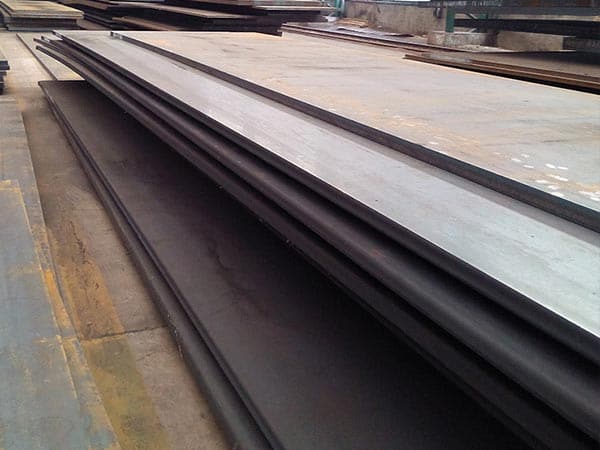
The Strategic Importance of S900MC in Bangladesh’s Evolving Automotive Landscape
The demand for high-performance structural materials has surged as Bangladesh transitions from a transit-heavy economy to a regional manufacturing hub. S900MC, a high-strength low-alloy (HSLA) steel, stands at the forefront of this transformation. This grade is specifically engineered for cold forming and is characterized by a minimum yield strength of 900 MPa. For the Bangladeshi automotive sector, particularly in the production of heavy-duty truck frames, trailers, and specialized transport equipment, S900MC offers an unparalleled strength-to-weight ratio. Using this material allows manufacturers to reduce vehicle curb weight significantly without compromising structural integrity, leading to higher payloads and improved fuel efficiency.
Understanding the Metallurgy: Why S900MC Outperforms Traditional Grades
S900MC is produced through a sophisticated thermomechanically controlled process (TMCP). Unlike traditional quenched and tempered steels, TMCP steel achieves its properties through precise temperature control during rolling and subsequent cooling. This results in a fine-grained microstructure, typically consisting of tempered martensite or bainite, which provides high toughness and excellent weldability. The low carbon content, often kept below 0.12%, ensures that the material remains ductile despite its extreme hardness.
The chemical composition of S900MC is meticulously balanced with micro-alloying elements such as Niobium (Nb), Vanadium (V), and Titanium (Ti). These elements form stable carbides and nitrides that pin grain boundaries during the heating process, preventing grain growth and ensuring the finished product maintains its mechanical properties even after intensive processing.
| Chemical Element | Maximum Percentage (%) |
|---|---|
| Carbon (C) | 0.20 |
| Silicon (Si) | 0.60 |
| Manganese (Mn) | 2.20 |
| Phosphorus (P) | 0.025 |
| Sulfur (S) | 0.010 |
| Aluminium (Al) | 0.015 |
Mechanical properties are the primary driver for selecting S900MC in automobile frame construction. The ability to withstand high stress while remaining light is critical for the rugged terrain and heavy loading conditions often encountered in South Asian logistics.
| Property | Value Range |
|---|---|
| Yield Strength (ReH) | Min 900 MPa |
| Tensile Strength (Rm) | 930 - 1200 MPa |
| Elongation (A5) | Min 7% |
| Impact Energy (-20°C) | Min 27 J (Optional) |
Top 10 Global Plants Supplying S900MC to the Bangladesh Market
While Bangladesh possesses a robust local steel industry centered around construction rebar, the specialized production of S900MC requires advanced TMCP rolling mills that are currently concentrated in global steel hubs. The following ten manufacturers are the primary sources for S900MC used in Bangladesh’s automotive assembly and specialized engineering sectors.
- 1. SSAB (Sweden): Known for their Strenx 900MC brand, SSAB is the global benchmark for high-strength steel. Their products are widely imported into Chittagong for high-end trailer manufacturing.
- 2. ThyssenKrupp Steel (Germany): Their Perform 900 series is renowned for its consistency and superior surface finish, making it a favorite for precision laser cutting in Dhaka’s industrial zones.
- 3. Baosteel Group (China): As a major supplier to the Belt and Road projects in Bangladesh, Baosteel’s BS900MC offers a competitive balance of cost and performance for large-scale fleet production.
- 4. POSCO (South Korea): POSCO’s ATOS 80/90 series is frequently utilized in the assembly of heavy-duty cranes and truck chassis due to its exceptional fatigue resistance.
- 5. ArcelorMittal (Europe/Global): Their Amstrong 900MC grade provides excellent cold-forming properties, essential for complex frame geometries.
- 6. Voestalpine (Austria): Specializing in ultra-high-strength thermomechanically rolled steels, their alform 900 x-treme is used in high-stress applications where weight reduction is critical.
- 7. Tata Steel (India/Global): Given the proximity to Bangladesh, Tata Steel is a strategic partner, providing S900MC grades that meet stringent European standards while offering logistical advantages.
- 8. Nippon Steel (Japan): Their WEL-TEN series is synonymous with weldability, a key factor for Bangladeshi workshops that rely on manual and semi-automatic welding processes.
- 9. HBIS Group (China): A significant player in the South Asian market, HBIS provides reliable S900MC plates and coils for the mass production of commercial vehicle frames.
- 10. Ansteel (China): Ansteel’s high-strength automotive sheets are increasingly visible in the supply chains of Bangladeshi bus and truck bodybuilders.
Processing and Fabrication: Maximizing the Potential of S900MC
Working with S900MC requires a different approach compared to standard S355 or mild steel. Because of its high yield strength, the springback effect during cold bending is more pronounced. Fabricators in Bangladesh must utilize high-tonnage CNC press brakes and account for larger bending radii to prevent micro-cracking at the outer tension zone. Generally, a minimum bending radius of 3.0 to 4.0 times the material thickness is recommended for S900MC.
Welding is another critical area. Thanks to its low carbon equivalent (CEV), S900MC exhibits excellent weldability. However, to maintain the properties of the heat-affected zone (HAZ), heat input must be strictly controlled. Excessive heat can lead to grain coarsening and a localized reduction in strength. Using low-hydrogen consumables and maintaining a moderate interpass temperature are essential practices for ensuring the longevity of the automobile frame.
Environmental Adaptability in the Tropical Climate of Bangladesh
Bangladesh’s climate is characterized by high humidity and salinity, particularly in coastal regions like Chittagong and Mongla. While S900MC is not a weathering steel by definition, its fine-grained structure and clean chemistry provide a better substrate for modern anti-corrosion coatings compared to lower-grade steels. When combined with cathodic dip painting (KTL) or high-quality epoxy primers, S900MC frames exhibit remarkable durability against the corrosive elements of the tropical environment.
Furthermore, the high fatigue strength of S900MC is vital for the local infrastructure. Vehicles in Bangladesh often operate on roads that are under development or subject to extreme monsoon damage. The ability of S900MC to absorb energy and resist fatigue cracking ensures that vehicle frames can withstand years of dynamic loading without structural failure.
Economic Impact and Future Outlook
The adoption of S900MC is a strategic move for Bangladeshi manufacturers looking to compete on a global scale. By reducing the weight of a trailer by up to 30%, operators can transport more goods per trip, directly impacting the bottom line. This efficiency is not just an economic benefit but also an environmental one, as lighter vehicles consume less fuel and emit fewer greenhouse gases. As the local automotive industry matures, the collaboration between global steel giants and Bangladeshi fabricators will likely deepen, leading to more localized service centers and specialized processing facilities. The shift toward S900MC represents a commitment to engineering excellence and sustainable development in the heart of South Asia.
Leave a message