
EU demand for en 10149-2 pdf free download will increase this year
An in-depth analysis of EN 10149-2 steel grades, focusing on mechanical properties, processing advantages, and why European demand for these high-yield strength steels is surging this year.
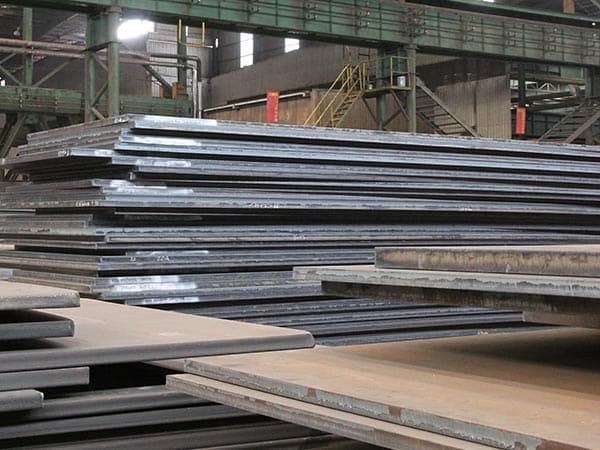
The Strategic Shift Toward EN 10149-2 High-Yield Strength Steels
The European industrial landscape is undergoing a significant transformation, driven by the dual pressures of carbon neutrality and economic efficiency. Central to this evolution is the increasing reliance on the EN 10149-2 standard, which specifies the technical delivery conditions for hot-rolled high yield strength steels for cold forming. As manufacturers seek to reduce vehicle weight, enhance structural integrity, and minimize material waste, the demand for technical documentation and precise specifications of these grades has reached a new peak this year. The 'MC' designation within this standard—indicating thermomechanically rolled steels—represents a pinnacle of metallurgical engineering, offering a unique combination of high strength and exceptional formability.
Metallurgical Excellence: The Thermomechanical Rolling Process
Unlike traditional normalized steels, EN 10149-2 steels achieve their superior properties through a meticulously controlled thermomechanical rolling process (TMCP). This involves specific temperature ranges during deformation and controlled cooling rates, which result in an extremely fine-grained microstructure. By utilizing micro-alloying elements such as Niobium (Nb), Vanadium (V), and Titanium (Ti), steel producers can trigger precipitation hardening and grain refinement simultaneously. This microscopic architecture allows the steel to maintain high yield strengths—ranging from 315 MPa to over 700 MPa—without the brittleness typically associated with high-carbon steels. The low carbon equivalent (CEV) of these grades is a critical factor in their rising popularity, as it ensures excellent weldability and toughness even at sub-zero temperatures.
Comprehensive Mechanical Properties and Grade Comparison
The versatility of EN 10149-2 is best illustrated by its wide range of grades. Each grade is designed to meet specific engineering challenges, from simple structural components to complex, load-bearing automotive frames. The following table outlines the core mechanical requirements that engineers must consider when selecting these materials:
| Steel Grade | Min. Yield Strength (MPa) | Tensile Strength (MPa) | Min. Elongation (A80mm %) | Min. Bending Radius (180°) |
|---|---|---|---|---|
| S315MC | 315 | 390-510 | 20 | 0.25t |
| S355MC | 355 | 430-550 | 19 | 0.5t |
| S420MC | 420 | 480-620 | 16 | 0.5t |
| S460MC | 460 | 520-670 | 14 | 0.5t |
| S500MC | 500 | 550-700 | 12 | 1.0t |
| S550MC | 550 | 600-760 | 12 | 1.0t |
| S600MC | 600 | 650-820 | 11 | 1.0t |
| S700MC | 700 | 750-950 | 10 | 1.5t |
The S700MC grade, in particular, has seen a massive spike in interest. Its ability to replace traditional S355 structural steel while reducing weight by up to 30-40% makes it an indispensable asset for the modern transport industry. This weight reduction directly translates to lower fuel consumption and higher payload capacities, aligning perfectly with the EU's stringent environmental regulations.
Advanced Processing Performance: Bending, Welding, and Cutting
One of the primary reasons for the surging demand for EN 10149-2 specifications is the material's superior processing characteristics. In a manufacturing environment where throughput and precision are paramount, these steels offer significant advantages:
- Cold Forming and Bending: Despite their high strength, these steels exhibit remarkable ductility. The fine-grained structure prevents cracking during tight-radius bending, provided the manufacturer follows the recommended minimum bending radii. This allows for the creation of complex geometries that would be impossible with standard high-strength steels.
- Superior Weldability: Due to the low carbon content and low carbon equivalent values, EN 10149-2 steels can be welded using all standard methods, including MAG, TIG, and laser welding. The heat-affected zone (HAZ) remains stable, maintaining the structural integrity of the joint without the need for extensive pre-heating or post-weld heat treatment.
- Laser and Plasma Cutting: The clean surface finish and consistent chemical composition of these thermomechanically rolled plates ensure high-quality edges during thermal cutting. This reduces the need for secondary grinding or finishing operations, lowering the overall cost of production.
Environmental Adaptation and Lifecycle Sustainability
The European market is increasingly prioritizing the Life Cycle Assessment (LCA) of materials. EN 10149-2 steels contribute positively to sustainability goals in several ways. Firstly, the weight reduction achieved through high-strength grades reduces the carbon footprint during the operational phase of vehicles and machinery. Secondly, the TMCP process itself is more energy-efficient than traditional quenching and tempering routes, as it utilizes the heat from the rolling process to achieve the desired properties. Finally, these steels are 100% recyclable, fitting seamlessly into the circular economy models that European industries are adopting. The demand for technical data sheets and EN 10149-2 PDF documentation is often linked to these sustainability audits, as engineers need precise data to calculate the environmental impact of their designs.
Expanding Industry Applications: Beyond Automotive
While the automotive sector remains a primary consumer of S355MC through S700MC for chassis and structural reinforcements, other industries are rapidly adopting these standards. The construction of mobile cranes, for instance, relies heavily on S700MC to achieve the necessary boom length and lifting capacity without exceeding axle load limits. In the logistics sector, the manufacture of lightweight containers and trailers has become a major growth driver. Additionally, the agricultural machinery industry is utilizing these high-strength steels to create more durable plows, harvesters, and spreaders that can withstand harsh soil conditions while remaining light enough to prevent soil compaction. The versatility of EN 10149-2 ensures its relevance across any sector where the strength-to-weight ratio is a critical performance metric.
Navigating the Supply Chain and Quality Assurance
As demand increases, the importance of sourcing from reputable mills that adhere strictly to the EN 10149-2 standard cannot be overstated. Quality assurance involves not only verifying the chemical composition and mechanical properties but also ensuring the surface quality and dimensional tolerances (often according to EN 10051). Buyers are increasingly looking for transparent supply chains and digital access to mill test certificates (MTCs). The trend toward seeking "free downloads" of standards and technical guides reflects a broader industry move toward digitalization and the democratization of technical knowledge. Having immediate access to the specific requirements of S420MC or S500MC allows procurement teams to make informed decisions rapidly, ensuring that the chosen material is perfectly fit for its intended purpose in an increasingly competitive global market.
Leave a message