
What are the differences between black and painted pickled steel sheet s420mc
A comprehensive comparison of black, pickled, and painted S420MC steel sheets, detailing mechanical properties, surface characteristics, and industrial applications for high-strength low-alloy steel.
Understanding the Fundamentals of S420MC High-Strength Steel
S420MC is a high-strength low-alloy (HSLA) steel specifically engineered for cold forming applications. Governed by the EN 10149-2 standard, this grade is thermomechanically rolled, a process that optimizes the grain structure to achieve a balance between high yield strength and excellent ductility. The "S" denotes structural steel, "420" represents the minimum yield strength of 420 MPa, and "MC" indicates it is suitable for cold forming and thermomechanically rolled conditions. While the core metallurgy remains consistent, the surface condition—whether black, pickled, or painted—drastically alters its performance in manufacturing environments and end-use scenarios.
The Nature of Black Hot Rolled S420MC
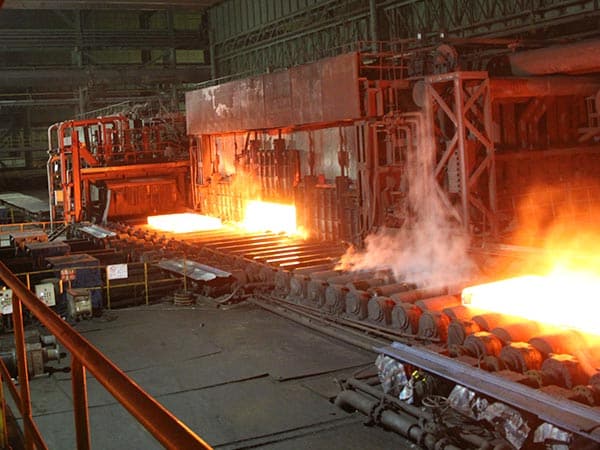
Black S420MC refers to the steel in its raw, as-rolled state. During the hot rolling process at temperatures exceeding 1,000°C, the steel surface reacts with atmospheric oxygen to form a thick, dark layer of iron oxide known as mill scale. This scale consists of three layers: wüstite, magnetite, and hematite. While this layer provides a temporary barrier against deep atmospheric corrosion during transport, it presents several challenges for precision manufacturing.
The primary characteristic of black S420MC is its rough, matte texture. This surface is highly abrasive, which can lead to accelerated wear on stamping dies and forming tools. Furthermore, the mill scale is brittle; under the stress of cold bending or stretching, it tends to flake off, potentially contaminating the workspace and interfering with the precision of the forming process. However, black S420MC remains the most cost-effective option for structural components where surface aesthetics and high-precision welding are secondary to structural integrity.
The Advantages of Pickled and Oiled S420MC
Pickled S420MC (often referred to as P&O) undergoes a chemical cleaning process to remove the mill scale. The steel is passed through a series of hydrochloric acid baths that dissolve the oxides, revealing a clean, silver-grey metallic surface. To prevent immediate flash rusting after the acid wash, a thin layer of protective oil is applied.
The transition from black to pickled steel offers significant functional benefits. The removal of the abrasive scale significantly extends the life of manufacturing equipment. For laser cutting operations, pickled S420MC is the gold standard; the absence of scale ensures a stable laser beam absorption rate, resulting in cleaner cuts and higher processing speeds. Additionally, the uniform surface allows for more consistent welding, as there are no oxide impurities to cause porosity or inclusions in the weld bead. This makes pickled S420MC the preferred choice for automotive chassis components and complex structural brackets.
Painted S420MC: Enhanced Protection and Aesthetics
Painted or Pre-coated S420MC takes the pickled substrate a step further by applying a primer or a full decorative coating. This is typically done through a coil coating process or post-fabrication painting. The primary objective of painting S420MC is to provide long-term corrosion resistance, especially in environments exposed to moisture, salt, or industrial pollutants.
Unlike black or pickled steel, painted S420MC is ready for final assembly without the need for additional surface treatments by the end-user. The coating acts as a robust barrier against the electrochemical reactions that cause rust. In the context of S420MC, which is often used in thin-walled but high-load applications, preventing even minor surface pitting is crucial to maintaining the fatigue life of the component. The aesthetic flexibility of painted steel also allows manufacturers to bypass the environmental and logistical complexities of running their own paint shops.
Chemical Composition and Mechanical Integrity
Regardless of the surface finish, the internal properties of S420MC must adhere to strict metallurgical limits. The high strength is achieved through micro-alloying with elements like Niobium (Nb), Vanadium (V), and Titanium (Ti), which refine the grain size and provide precipitation hardening.
| Element | Maximum Percentage (%) |
|---|---|
| Carbon (C) | 0.12 |
| Manganese (Mn) | 1.60 | Silicon (Si) | 0.50 |
| Phosphorus (P) | 0.025 |
| Sulfur (S) | 0.015 |
| Aluminium (Al) | 0.015 |
The mechanical properties are equally critical. S420MC is designed to be bent and formed without cracking, a feat that requires high elongation values despite the high yield strength.
| Property | Value Range |
|---|---|
| Yield Strength (ReH) | min. 420 MPa |
| Tensile Strength (Rm) | 480 - 620 MPa |
| Elongation (A80mm) | min. 16% (t < 3mm) |
| Bending Radius (180°) | 0.5t to 1.0t (depending on thickness) |
Processing Performance and Tooling Impact
The choice between black, pickled, and painted S420MC directly influences the total cost of ownership through processing efficiency. Black steel requires more frequent cleaning of the press area and more aggressive lubrication to protect the dies. The scale can also act as an insulator during resistance welding, requiring higher currents and leading to inconsistent joint quality.
Pickled steel, conversely, provides a consistent friction coefficient during forming. This predictability is vital for automated high-speed stamping lines where slight variations in material flow can lead to wrinkling or tearing. For painted steel, the processing must be handled with care to avoid scratching the surface. Specialized tooling inserts, such as those made from nylon or highly polished chrome, are often used to maintain the integrity of the finish during bending operations.
Environmental Adaptability and Corrosion Resistance
In terms of environmental endurance, black S420MC is the most vulnerable. If stored in a humid warehouse, it can develop "red rust" within days once the mill scale is breached. Pickled and oiled steel offers better short-term protection, but the oil must eventually be removed before any secondary coating or welding, which adds a degreasing step to the production line.
Painted S420MC provides the highest level of environmental adaptability. By sealing the HSLA substrate, it prevents the localized corrosion that can lead to stress corrosion cracking—a vital consideration for high-strength steels that operate under constant tension. For heavy machinery and transport vehicles, using painted S420MC ensures that the structural integrity of the high-strength frame is not compromised by the elements over a service life that may span decades.
Strategic Application Across Industries
The selection of the surface state is usually dictated by the specific requirements of the end-use industry.
- Automotive Industry: Pickled S420MC is extensively used for chassis members, cross-beams, and reinforcement parts where weight reduction and high energy absorption are required. The clean surface is essential for robotic welding and subsequent e-coating.
- Construction and Infrastructure: Black S420MC is often used for heavy structural profiles and purlins that will be encased in concrete or treated with heavy-duty industrial coatings after assembly.
- Agricultural Equipment: Painted S420MC is the preferred choice for outer panels and structural frames of tractors and harvesters, where both high strength and resistance to harsh outdoor environments are mandatory.
- General Engineering: Pickled sheets are favored for laser-cut brackets and precision-folded components in various machinery applications.
Technical Comparison Summary
When evaluating which S420MC variant to specify, engineers must weigh the initial material cost against the downstream processing expenses. While black S420MC has the lowest purchase price, the hidden costs of tool wear and cleaning can make it more expensive in high-volume production. Pickled S420MC offers the best balance for most manufacturing processes, providing a clean slate for further fabrication. Painted S420MC serves as a premium solution for projects requiring immediate corrosion protection and aesthetic finish. By understanding these nuances, manufacturers can optimize their production chains and ensure the longevity of their high-strength steel components.
Leave a message