
Growth of S700MC high strength alloy steel exported to the Middle East
A comprehensive analysis of the rising demand for S700MC high-strength alloy steel in the Middle East, focusing on its metallurgical properties, environmental resilience, and processing advantages for heavy-duty applications.
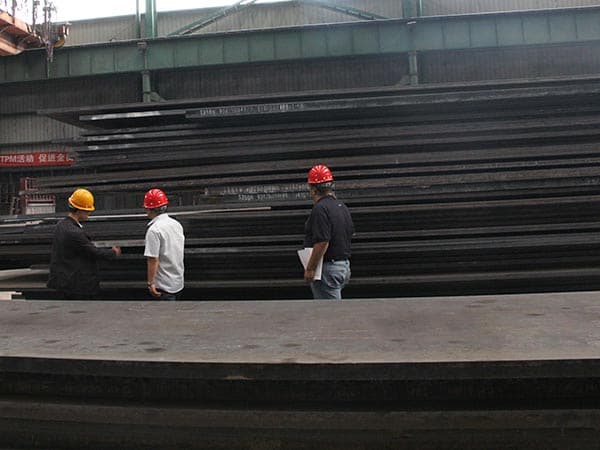
Strategic Shift Toward High-Strength Alloys in the Middle East
The industrial landscape of the Middle East is undergoing a radical transformation. Driven by massive infrastructure projects like Saudi Arabia's Vision 2030 and the expansion of logistics hubs in the UAE, the demand for high-performance materials has reached an all-time high. Among these, S700MC high-strength alloy steel has emerged as a cornerstone material. This grade, governed by the EN 10149-2 standard, is a thermomechanically rolled (TMCP) steel designed specifically for cold forming. Its adoption in the region marks a departure from traditional carbon steels, as engineers seek to balance structural integrity with the economic necessity of weight reduction. The growth of S700MC exports to this region is not merely a trend but a response to the extreme operational demands of the desert environment and the aggressive timelines of modern construction.
Metallurgical Precision: The TMCP Advantage
The superior performance of S700MC is rooted in its sophisticated manufacturing process. Unlike conventional steels that rely on high carbon content for strength, S700MC utilizes Thermomechanically Controlled Processing (TMCP). This technique involves precise temperature control during the rolling process, followed by accelerated cooling. The result is a fine-grained microstructure that offers a unique combination of high yield strength and excellent ductility. Micro-alloying elements such as Niobium (Nb), Vanadium (V), and Titanium (Ti) are added in minute quantities to refine the grain size and provide precipitation hardening. This metallurgical approach ensures that the steel maintains a low carbon equivalent value (CEV), which is critical for maintaining weldability without the need for extensive preheating—a significant advantage in the rapid-paced fabrication shops of the Middle East.
Mechanical Properties and Structural Efficiency
The primary appeal of S700MC lies in its impressive yield strength of at least 700 MPa. This allows designers to utilize thinner sections of steel while maintaining the same load-bearing capacity as thicker, heavier plates of standard structural steel like S355. In the context of the Middle East's transport sector, this weight saving translates directly into increased payload capacity for trailers, tankers, and heavy-duty vehicles. Weight reduction is not just about fuel efficiency; it is about maximizing the ROI of every logistical movement across the vast Arabian Peninsula. The tensile strength, ranging between 750 and 950 MPa, provides a robust safety margin for dynamic loads, making it the preferred choice for crane booms and telescopic arms used in the region's numerous skyscraper projects.
| Property | S355MC (Comparison) | S700MC (Target Grade) |
|---|---|---|
| Minimum Yield Strength (MPa) | 355 | 700 |
| Tensile Strength (MPa) | 430 - 550 | 750 - 950 |
| Minimum Elongation (%) | 19 - 23 | 10 - 12 |
| Bending Radius (90°) | 0.5t | 2.0t - 2.5t |
| Processing Method | Hot Rolled | TMCP (Thermomechanical) |
Environmental Resilience in Arid Climates
The Middle East presents one of the most challenging environments for structural steel. The combination of extreme daytime heat, rapid cooling at night, and high levels of UV radiation can induce significant thermal fatigue in lower-grade materials. S700MC demonstrates remarkable stability under these fluctuating thermal conditions. Its fine-grained structure is less susceptible to the grain growth that can occur during prolonged exposure to high ambient temperatures. Furthermore, in coastal regions like Dammam or Dubai, where saline humidity is a constant threat, the uniform surface of S700MC provides an excellent substrate for advanced anti-corrosion coatings. The steel's high surface quality, a byproduct of the TMCP process, ensures that protective paints and galvanization layers adhere more effectively, extending the service life of structures in corrosive maritime environments.
Fabrication and Processing Excellence
One of the critical factors driving the export growth of S700MC is its exceptional processability. Despite its high strength, S700MC is designed for cold forming. Fabrication facilities in the Middle East can achieve tight bending radii without the risk of cracking, provided the correct parameters are followed. This flexibility allows for the creation of complex, aerodynamically efficient shapes in vehicle manufacturing. When it comes to cutting, S700MC responds exceptionally well to laser, plasma, and waterjet technologies. The low carbon content ensures that the heat-affected zone (HAZ) remains localized, preserving the mechanical integrity of the surrounding material. Weldability is another standout feature; S700MC can be joined using standard MIG/MAG or submerged arc welding processes. The resulting joints exhibit high toughness, which is vital for equipment operating in the rugged terrain of the Rub' al Khali or the mountainous regions of Oman.
Economic Impact and Logistical Optimization
The adoption of S700MC has a profound impact on the total cost of ownership for heavy machinery. By reducing the dead weight of a vehicle by up to 30%, operators can significantly lower fuel consumption and reduce wear and tear on tires and braking systems. In the Middle East, where long-haul transport distances are vast, these savings accumulate rapidly. Additionally, the high durability of S700MC means that equipment requires less frequent maintenance and has a longer operational lifespan. This reliability is paramount for contractors working on remote oil and gas sites where downtime can cost thousands of dollars per hour. The growth of S700MC exports is thus a direct reflection of a market that is maturing and prioritizing long-term performance over initial material costs.
Expanding Industry Applications
The versatility of S700MC has led to its expansion into diverse industries across the Middle East. Beyond the well-documented transport and construction sectors, it is increasingly used in the renewable energy sector. As the region invests heavily in solar power, S700MC is being utilized for the structural frames of large-scale solar tracking systems, where high strength-to-weight ratios are required to withstand high wind loads in open desert plains. In the mining sector, which is seeing renewed interest in countries like Saudi Arabia and Egypt, S700MC is used for the chassis of heavy earthmoving equipment and conveyor systems. Its ability to withstand abrasive desert sands while maintaining structural rigidity makes it an ideal candidate for these harsh applications. The ongoing diversification of Middle Eastern economies ensures that the trajectory for S700MC demand will remain on an upward curve for the foreseeable future.
Leave a message