
en 10149-1 pdf stockist and supplier
Comprehensive guide to EN 10149-1 high yield strength steels for cold forming. Learn about mechanical properties, chemical composition, and industrial applications of S315MC to S700MC grades from a professional stockist.
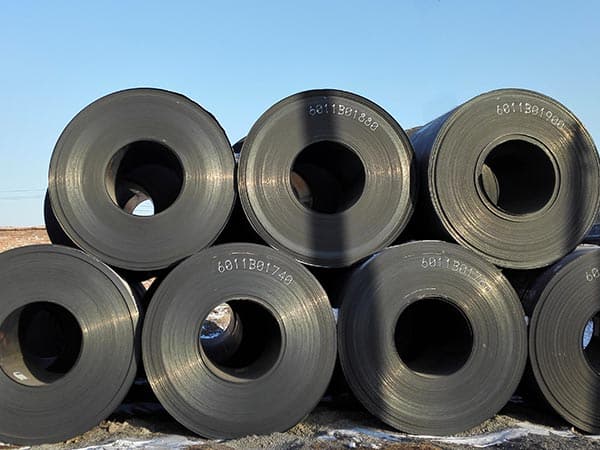
Understanding the EN 10149-1 Standard for High Yield Strength Steels
The EN 10149-1 standard represents a pivotal benchmark in the European steel industry, specifically governing hot-rolled flat products made of high yield strength steels intended for cold forming. As a professional stockist and supplier, we recognize that this standard is not merely a set of technical requirements but a blueprint for modern engineering efficiency. The standard is divided into multiple parts, with Part 1 establishing the general technical delivery conditions. This framework ensures that manufacturers and engineers can rely on consistent material behavior, which is critical when designing lightweight yet robust structures. The primary focus of EN 10149-1 is to provide a material that balances high load-bearing capacity with exceptional formability, a combination that was historically difficult to achieve with traditional carbon steels.
For engineers searching for an EN 10149-1 pdf, the core value lies in understanding the distinction between thermomechanically rolled steels (designated with an 'M' suffix) and normalized or normalized rolled steels (designated with an 'N' suffix). Most high-performance grades within this standard, such as S500MC, S600MC, and S700MC, utilize thermomechanical rolling. This process involves precise temperature control during the rolling stages, which refines the grain structure without the need for additional heat treatment. This metallurgical refinement is what allows these steels to achieve yield strengths up to 700 MPa while maintaining the ductility required for complex cold-forming operations. As a leading supplier, we ensure that every batch of material is accompanied by a Mill Test Certificate (MTC) according to EN 10204 3.1, providing full traceability and verification of these properties.
Mechanical Properties and Grade Comparison
The versatility of EN 10149-1 is best illustrated through its range of grades. Each grade is engineered to meet specific stress requirements, allowing for significant weight reduction in structural designs. By replacing standard s355jr steel with an S700MC grade, for instance, a manufacturer can often reduce the thickness of a component by up to 40% without compromising structural integrity. This weight optimization is a driving force in the transport and heavy machinery industries.
| Steel Grade | Min. Yield Strength (MPa) | Tensile Strength (MPa) | Min. Elongation (%) | Bending Radius (180°) |
|---|---|---|---|---|
| S315MC | 315 | 390 - 510 | 20 | 0.25t |
| S355MC | 355 | 430 - 550 | 19 | 0.5t |
| S420MC | 420 | 480 - 620 | 16 | 0.5t |
| S460MC | 460 | 520 - 670 | 14 | 0.8t |
| S500MC | 500 | 550 - 700 | 12 | 1.0t |
| S550MC | 550 | 600 - 760 | 12 | 1.0t |
| S600MC | 600 | 650 - 820 | 11 | 1.5t |
| S700MC | 700 | 750 - 950 | 10 | 2.0t |
The table above highlights the progression of mechanical strength. It is important to note that as the yield strength increases, the minimum elongation percentage decreases. However, even at the S700MC level, the material retains a 10% elongation, which is sufficient for many industrial bending and folding processes. As a stockist, we maintain a diverse inventory of these grades to cater to various fabrication needs, from simple brackets to complex chassis components.
Chemical Composition and Micro-Alloying Excellence
The superior performance of EN 10149-1 steels is rooted in their sophisticated chemical composition. Unlike standard structural steels that rely on high carbon content for strength, these high-yield steels utilize low carbon levels (typically below 0.12%) combined with micro-alloying elements such as Niobium (Nb), Vanadium (V), and Titanium (Ti). This metallurgical approach is designed to enhance grain refinement and precipitation hardening.
- Carbon (C): Kept at low levels to ensure excellent weldability and toughness.
- Manganese (Mn): Added to increase strength and improve hardenability without sacrificing ductility.
- Silicon (Si): Used for deoxidation and to provide solid solution strengthening.
- Micro-alloys (Nb, V, Ti): These elements form fine carbides and nitrides that pin grain boundaries during rolling, resulting in an ultra-fine grain structure.
- Sulfur (S) and Phosphorus (P): Strictly controlled to very low levels to improve the internal cleanliness of the steel, which is vital for preventing cracking during severe cold forming.
This chemical precision ensures that the steel remains highly weldable. The Carbon Equivalent Value (CEV) is significantly lower than that of traditional quenched and tempered steels of similar strength. This means that preheating is rarely required for welding EN 10149-1 grades, reducing fabrication time and energy costs for the end-user.
Advanced Processing and Cold Forming Capabilities
One of the standout features of EN 10149-1 material is its exceptional cold-forming performance. In modern manufacturing, the ability to bend and shape steel without the risk of surface cracking or springback issues is paramount. The thermomechanical rolling process imparts a high degree of uniformity to the steel, ensuring that its properties are consistent across the entire plate or coil. This consistency is what allows automated CNC bending machines to operate with high precision.
When working with S700MC or S600MC, fabricators must pay attention to the bending radius relative to the thickness (t) of the material. While these steels are highly ductile, their high strength requires more force during the forming process. Using the correct tooling and ensuring that the bending axis is preferably transverse to the rolling direction can further optimize results. As a supplier, we provide technical data sheets that detail the recommended bending parameters for each specific thickness, ensuring our clients achieve the best possible finish.
Furthermore, these steels are highly compatible with modern cutting technologies. Whether using laser, plasma, or waterjet cutting, the low carbon content and fine grain structure minimize the Heat Affected Zone (HAZ). This ensures that the edges of the cut parts maintain their mechanical integrity, which is crucial for subsequent welding or structural assembly.
Industry-Wide Applications and Economic Impact
The adoption of EN 10149-1 steels has revolutionized several industrial sectors. In the automotive and transportation industry, the push for "lightweighting" to meet stringent emission standards has made S500MC and S700MC the materials of choice for truck frames, trailers, and crane booms. By reducing the tare weight of a vehicle, fleet operators can increase payload capacity, leading to direct economic benefits and a lower carbon footprint.
Beyond transportation, these steels are extensively used in the production of agricultural equipment. Harvesters, plows, and seeders are subject to intense mechanical stress and abrasive environments. The high yield strength of EN 10149-1 grades provides the necessary durability while allowing for complex geometries that improve machine efficiency. Similarly, in the construction of mobile cranes and lifting equipment, the high strength-to-weight ratio is indispensable for reaching greater heights and lifting heavier loads without increasing the overall size of the machine.
The environmental adaptability of these steels is also noteworthy. While they are not stainless, their fine grain structure and controlled chemistry provide a stable base for various protective coatings, such as galvanizing or high-performance painting. This ensures a long service life even in harsh outdoor or industrial environments.
Selecting the Right Stockist and Supplier
Choosing a reliable EN 10149-1 supplier involves more than just comparing prices. Given the technical nature of high yield strength steels, the supplier must possess deep metallurgical expertise and a robust quality management system. A reputable stockist should offer a wide range of thicknesses and widths, often providing decoiling and precision blanking services to meet specific customer requirements.
Key factors to consider when selecting a partner include the availability of comprehensive documentation. Every shipment should be accompanied by the relevant EN 10149-1 pdf documentation and MTCs. Additionally, the supplier should be able to offer guidance on material substitution—for example, advising when S420MC might be a more cost-effective solution than S500MC based on the specific load requirements of a project. Our commitment as a specialist stockist is to provide not just the raw material, but a complete technical solution that includes logistics, processing, and engineering support.
Strategic inventory management is another critical aspect. High-yield steels like S700MC are often specialized items. A dedicated stockist maintains a consistent supply chain with leading European mills, ensuring that even during market fluctuations, critical projects remain on schedule. By partnering with a supplier who understands the nuances of thermomechanically rolled steels, manufacturers can mitigate risks and focus on innovation in their own product lines.
Looking at the future of structural engineering, the role of EN 10149-1 will only grow. As industries continue to demand higher efficiency and lower material consumption, the transition from traditional structural steels to high-yield alternatives is inevitable. The technical advantages of superior weldability, excellent cold formability, and extreme strength make these grades the foundation of next-generation industrial design. Whether you are developing a new chassis for a heavy-duty trailer or optimizing the components of a telescopic crane, the grades defined under EN 10149-1 offer the reliability and performance required to succeed in a competitive global market.
Leave a message