
How about the inventory of S900MC high strength steel auto plate in China at present
A comprehensive analysis of S900MC high-strength steel inventory in China, exploring technical specifications, mechanical properties, processing performance, and current market availability for automotive and structural applications.
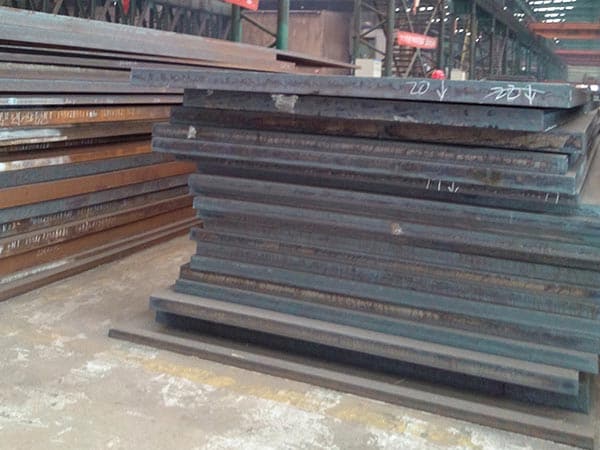
The Current Landscape of S900MC High-Strength Steel Inventory in China
The demand for S900MC high-strength steel in China has witnessed a significant surge, primarily driven by the automotive industry's transition toward lightweighting and the heavy machinery sector's requirement for higher payload capacities. S900MC, a thermomechanically rolled steel grade governed by the EN 10149-2 standard, represents the pinnacle of cold-forming structural steels. As of the current market cycle, the inventory of S900MC in China is characterized by a strategic concentration in key industrial hubs such as Shanghai, Wuxi, Tianjin, and Lecong. Unlike standard carbon steels, S900MC is treated as a high-value specialty product, meaning inventory levels are closely tied to the production schedules of major domestic mills like Baosteel, Shougang, and Ansteel, as well as high-end imports from European producers.
Technical Specifications and Material Composition
Understanding the inventory status requires a deep dive into what makes S900MC unique. The "S" denotes structural steel, "900" signifies a minimum yield strength of 900 MPa, and "MC" indicates that the material is thermomechanically rolled (M) and intended for cold forming (C). The chemical composition of S900MC is a masterpiece of micro-alloying. It utilizes a low carbon equivalent to ensure excellent weldability while achieving immense strength through the addition of Niobium (Nb), Vanadium (V), and Titanium (Ti). These elements facilitate grain refinement, which is critical for maintaining toughness at high strength levels.
| Element | Carbon (C) % Max | Manganese (Mn) % Max | Silicon (Si) % Max | Phosphorus (P) % Max | Sulfur (S) % Max | Aluminium (Al) % Min |
|---|---|---|---|---|---|---|
| S900MC Value | 0.20 | 2.20 | 0.60 | 0.025 | 0.015 | 0.015 |
This precise chemical balance ensures that the steel remains ductile despite its hardness. In the Chinese market, inventory often consists of various thicknesses, typically ranging from 3.0mm to 12.0mm, which are the most sought-after dimensions for automotive chassis and crane boom manufacturing.
Mechanical Properties and Performance Benchmarks
The inventory of S900MC is often categorized by its mechanical performance, which is the primary reason for its selection in high-stress applications. The yield strength is the defining characteristic, but the tensile strength and elongation are equally vital for engineers. In China, stockists provide material that strictly adheres to the following parameters:
| Property | Yield Strength (MPa) Min | Tensile Strength (MPa) | Elongation (%) Min | Bending Radius (180°) |
|---|---|---|---|---|
| S900MC Specs | 900 | 930 - 1200 | 7 - 8 | 3.0t (t < 6mm) |
One of the challenges in maintaining a consistent inventory of S900MC is the narrow window of mechanical compliance. If the thermomechanical rolling process is not perfectly executed, the material may fail to meet the elongation requirements, making it unsuitable for complex cold-forming operations. Therefore, high-quality inventory in China is usually accompanied by comprehensive Mill Test Certificates (MTC) that verify these properties through rigorous batch testing.
Processing Performance: Welding and Cold Forming
From a manufacturing perspective, the utility of S900MC is determined by how well it handles workshop processes. Despite its 900 MPa yield strength, S900MC exhibits remarkable cold-forming capabilities. Bending operations require specialized equipment due to the high springback associated with such high-tension material. Inventory available in China is often tested for its minimum bending radius, which is typically 3 to 4 times the material thickness. This allows for the creation of complex, weight-saving profiles in truck frames and telescopic booms.
Welding is another critical area. S900MC features a low carbon equivalent (Cev), which minimizes the risk of cold cracking in the heat-affected zone (HAZ). However, users must be cautious about the heat input. Excessive heat can lead to grain growth in the HAZ, resulting in a localized loss of strength. Most Chinese distributors of S900MC provide technical guidance on using low-hydrogen consumables and optimized welding parameters to maintain the structural integrity of the joint.
Environmental Adaptability and Durability
S900MC is designed to perform in harsh environments. Whether it is the sub-zero temperatures of Northern China or the humid, corrosive atmospheres of coastal industrial zones, this steel grade maintains its structural stability. The fine-grained microstructure provides inherent resistance to brittle fracture, a crucial safety feature for mobile cranes and transport vehicles operating under dynamic loads. Inventory stored in major Chinese ports is usually protected with oil coatings or specialized packaging to prevent surface oxidation, ensuring that the material arrives at the customer's facility in pristine condition for immediate processing.
Market Availability and Regional Distribution in China
The current inventory levels of S900MC in China are relatively stable but sensitive to automotive production cycles. Shanghai and Wuxi serve as the primary distribution hubs for East China, catering to the massive automotive clusters in the Yangtze River Delta. Here, one can find the most diverse range of specifications, including narrow strips and wide plates. Tianjin acts as the gateway for North China, supplying the heavy machinery and crane manufacturing sectors. Lecong in Guangdong is the go-to market for South China, focusing on specialized transport equipment components.
- Baosteel: The leading domestic producer, often holding the largest market share in high-strength auto plates.
- Shougang: Known for high-consistency S900MC used in high-end commercial vehicle frames.
- Imported Brands: SSAB (Strenx) and ThyssenKrupp (Perform) still hold a presence in the inventory for niche applications requiring extreme precision.
Strategic Procurement and Quality Assurance
When sourcing S900MC from Chinese inventory, it is imperative to look beyond the price per ton. Quality assurance is paramount. Professional buyers focus on flatness tolerances and surface quality. High-strength steel plates are prone to residual stresses from the rolling process; if these are not properly managed, the plates may warp during laser cutting. Top-tier inventory in China is often leveled using precision tension-leveling lines to ensure that the plates remain flat during and after the cutting process.
Furthermore, the traceability of the material is a key factor. Reliable suppliers provide full heat number traceability, linking every plate back to its original melt and rolling batch. This level of transparency is essential for industries like aerospace, high-end automotive, and heavy lifting, where material failure can have catastrophic consequences.
Application Expansion and Future Trends
The use of S900MC is expanding beyond its traditional automotive roots. We are seeing increased adoption in the renewable energy sector, specifically for structural components in wind turbine transport systems and specialized offshore equipment. The drive for carbon neutrality in China is also pushing manufacturers to use higher-strength steels like S900MC to reduce the overall weight of vehicles, thereby lowering fuel consumption and CO2 emissions. This long-term trend suggests that the inventory of S900MC will continue to grow in volume and diversity, with more domestic mills entering the production fray to meet the rising demand for ultra-high-strength structural materials.
In the current market, while inventory is available, lead times for non-standard sizes can still be significant. For projects requiring large volumes of specific thicknesses, forward-looking procurement strategies involve securing allocations directly from the mills or maintaining a buffer stock with trusted regional distributors. This ensures a steady supply chain and mitigates the risks associated with price volatility in the global steel market.
Leave a message