
How to avoid the pits on the surface of S960MC with EN10204-3.1 certificate
Expert guide on preventing surface pits in S960MC high-strength steel. Learn about metallurgical causes, EN10204-3.1 quality control, and practical mitigation strategies for engineering excellence.
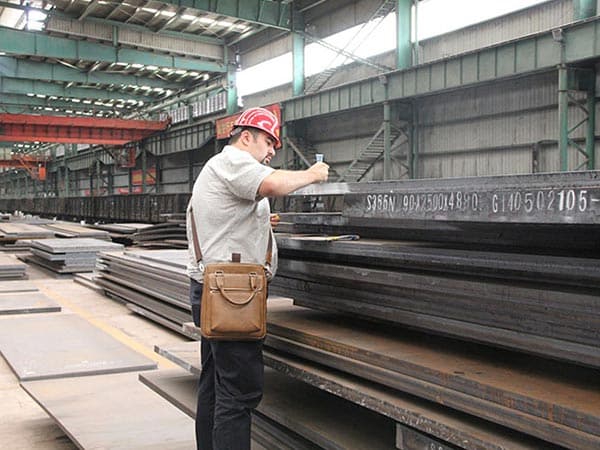
The Significance of Surface Integrity in S960MC High-Strength Steel
S960MC represents the pinnacle of thermo-mechanically rolled (TMCP) fine-grain steels, governed by the EN 10149-2 standard. With a minimum yield strength of 960 MPa, this material is indispensable for weight-sensitive, high-load applications. However, the high alloy content and specific manufacturing route make it susceptible to surface anomalies, most notably 'pits'. These pits are not merely aesthetic blemishes; they are localized depressions that can compromise the structural integrity of a component by acting as stress concentration points. In the context of a 3.1 certificate according to EN 10204, the manufacturer guarantees that the material meets specific requirements, but avoiding pits requires a deep understanding of both the metallurgical process and the handling environment.
Technical Specifications and Material Properties
To understand why pits form, one must first analyze the composition and mechanical profile of S960MC. The balance of micro-alloying elements like Niobium (Nb), Vanadium (V), and Titanium (Ti) is critical for grain refinement, but these elements also influence the oxidation behavior during reheating and rolling.
| Chemical Element | Max Content (%) | Mechanical Property | Value |
|---|---|---|---|
| Carbon (C) | 0.20 | Yield Strength (ReH) | Min 960 MPa |
| Manganese (Mn) | 2.20 | Tensile Strength (Rm) | 980 - 1250 MPa |
| Silicon (Si) | 0.60 | Elongation (A80) | Min 7% |
| Phosphorus (P) | 0.025 | Bending Radius | Min 3.0t |
The presence of Silicon and Manganese influences the adherence of the scale layer. If the scale is too adherent or forms unevenly, it can be pressed into the steel surface during the final rolling passes, resulting in 'scale-in' pits once the oxide is removed through pickling or shot blasting.
Root Causes of Surface Pitting in S960MC
Identifying the origin of pits is the first step toward prevention. In the production of S960MC, pits generally fall into three categories: metallurgical, mechanical, and environmental.
- Scale-In Defects: During the reheating of slabs, iron oxides (wustite, magnetite, and hematite) form on the surface. If the high-pressure descaling system fails to remove these oxides completely before the finishing stands, the hard oxide particles are rolled into the ductile steel matrix.
- Roll Wear and Contamination: As the work rolls in the hot strip mill wear down, they can develop micro-cracks or pick up debris. This debris is then transferred back to the S960MC strip, creating repetitive pitting patterns.
- Hydrogen-Induced Pitting: While rare in TMCP steels compared to quenched and tempered grades, excessive hydrogen levels can lead to micro-voids near the surface, which manifest as pits after subsequent processing.
- Atmospheric Corrosion: S960MC is often delivered in a pickled and oiled condition. If the protective oil film is broken or if the material is stored in a high-humidity environment, localized galvanic cells form, leading to corrosion pits.
Strategic Prevention through Process Control
Avoiding pits requires a multi-faceted approach starting from the steel melt shop through to the final delivery. For users demanding an EN10204-3.1 certificate, the focus must be on ensuring the manufacturer adheres to strict internal quality protocols.
Optimizing the Descaling Process: The efficiency of the descaling system is paramount. For high-strength steels like S960MC, the descaling pressure should typically exceed 200 bar. The nozzle angle and overlap must be precisely calibrated to ensure 100% coverage of the slab surface. Any 'shadow zones' in the descaling spray will inevitably lead to scale-induced pitting.
Atmosphere Control in Reheating Furnaces: By controlling the oxygen levels within the reheating furnace, the thickness and composition of the scale can be managed. A 'loose' scale is easier to remove than a 'sticky' scale. Reducing the Silicon content in the steel chemistry also helps in reducing the formation of fayalite (Fe2SiO4), which is known to increase scale adherence.
The Role of EN10204-3.1 Certification in Quality Assurance
An EN10204-3.1 certificate is more than just a piece of paper; it is a document of traceability and accountability. When a customer receives S960MC with a 3.1 certificate, it signifies that the manufacturer's authorized inspection representative, independent of the production department, has verified the batch.
Surface Inspection Protocols: Under the 3.1 framework, the manufacturer must perform surface inspections according to standards like EN 10163-2. This standard defines the classes and groups of surface requirements. For critical structural components, specifying 'Class B, Subgroup 3' ensures that the surface is free from cracks, shells, and significant pits. If pits are detected, the 3.1 certificate provides the necessary data to trace the defect back to a specific heat or rolling sequence, facilitating a root cause analysis.
Practical Handling and Storage Solutions
Even the highest quality S960MC can develop pits after leaving the mill if not handled correctly. The high strength of the material does not make it immune to environmental degradation.
- Protective Packaging: Use VCI (Volatile Corrosion Inhibitor) paper or specialized plastic wraps during transport. This is especially critical for sea freight where salt spray can cause rapid pitting corrosion.
- Indoor Storage: S960MC should always be stored in a temperature-controlled indoor environment. Condensation is a primary driver of pitting. If the steel temperature drops below the dew point, moisture will accumulate, leading to localized oxidation.
- Proper Stacking: Use timber or rubber spacers between plates to prevent metal-to-metal contact. Mechanical scratches can often be the precursor to pitting, as they remove the protective oil layer and create a site for moisture retention.
Advanced Post-Processing Techniques
For industries such as crane manufacturing or automotive chassis production, the surface of S960MC may require further treatment to ensure paint adhesion and fatigue resistance. Shot blasting is a common method, but it must be performed with care. Using contaminated or overly aggressive abrasive media can actually create pits or 'peen' existing defects into the surface, making them harder to detect. Laser cutting is another area where surface quality matters. Pits near the cutting edge can disrupt the gas flow during the laser process, leading to a poor edge finish and potential crack initiation sites.
Summary of Best Practices for S960MC Users
To ensure the highest surface quality and avoid the pitfalls of pitting, engineers and procurement specialists should follow a rigorous selection and handling process. First, always specify the surface quality class according to EN 10163-2 in addition to the S960MC grade. Second, verify that the EN10204-3.1 certificate includes results for surface inspection and chemical analysis, particularly for elements like Silicon and Phosphorus. Third, implement a strict incoming material inspection (IMI) to catch any pits caused during transit before the material enters the production line. By combining metallurgical knowledge with disciplined handling, the full potential of S960MC can be realized without the risks associated with surface defects.
Leave a message